
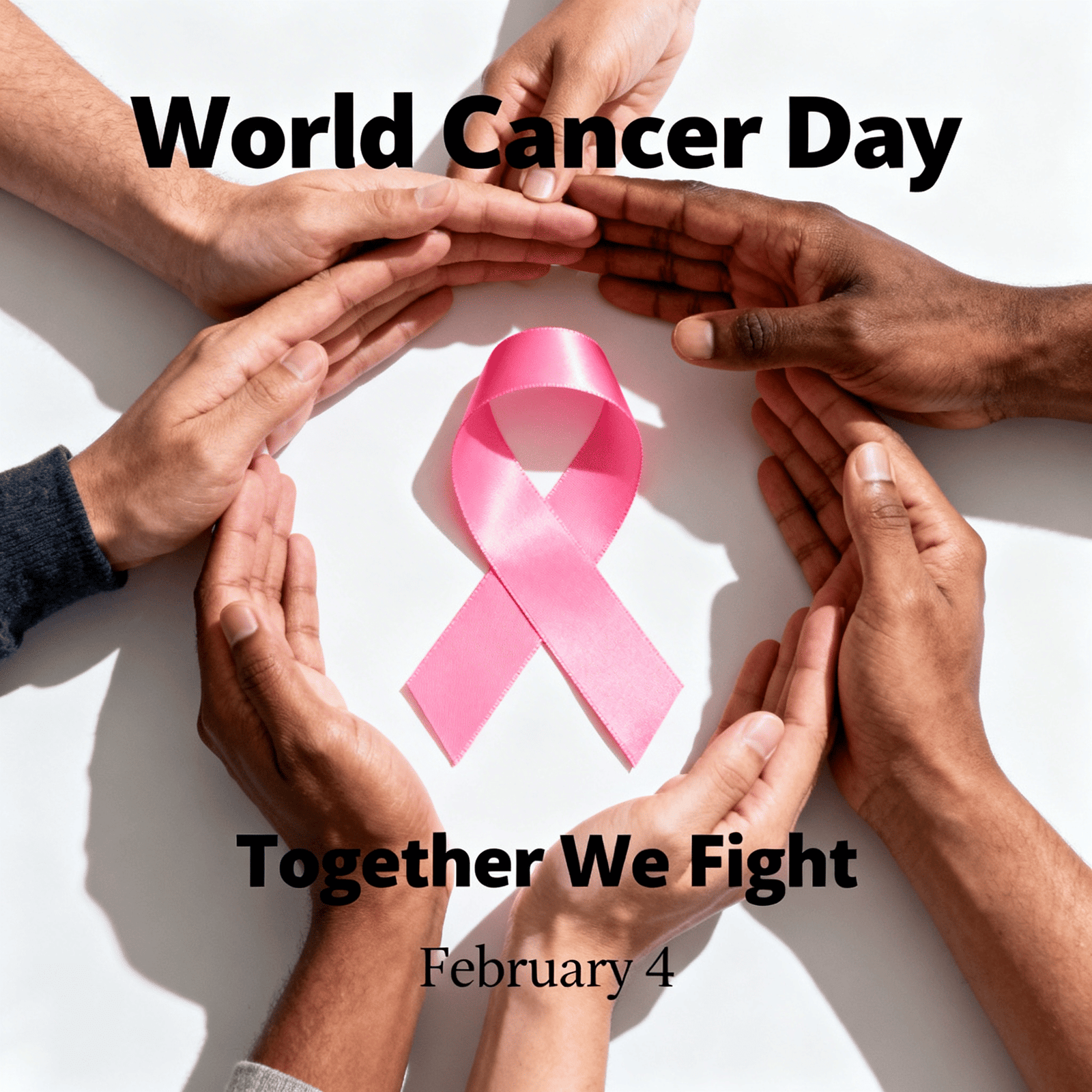
World Cancer day Campaign
Every year on February 4, the world observes World Cancer Day, a global awareness campaign led by the World Health Organization (WHO) and supported by the International Agency for Research on Cancer (IARC).
The key message is both urgent and empowering:
Up to 4 in 10 cancer cases worldwide are preventable.
According to a recent global analysis, approximately 7.1 million cancer cases in 2022 were linked to preventable risk factors. That means millions of lives could potentially be protected through healthier lifestyle choices, vaccination, screening, and strong public health policies.
At WiserHealth, we believe prevention is the foundation of long-term health.
Global Cancer Prevention: The Biggest Risk Factors
Cancer is complex, but many major causes are within our control.
Tobacco Use (≈15% of New Cancer Cases)
Tobacco remains the leading preventable cause of cancer worldwide.
It is strongly linked to:
- Lung cancer
- Mouth and throat cancer
- Pancreatic cancer
- Bladder cancer
Quitting smoking significantly reduces long-term cancer risk.
Infections (≈10%)
Certain infections increase cancer risk:
- HPV (Human Papillomavirus) → cervical and other cancers
- Hepatitis B & C → liver cancer
Vaccination programs and early screening are highly effective prevention tools.

🍸 Alcohol (≈3%)
Even moderate alcohol consumption increases the risk of:
- Breast cancer
- Liver cancer
- Colorectal cancer
Reducing alcohol intake lowers cancer risk over time.
Other Preventable Risk Factors
- Air pollution
- Physical inactivity
- Excess body weight (obesity)
- UV radiation exposure
Together, these modifiable factors account for a substantial portion of global cancer cases.
Which Cancers Are Most Preventable Globally?
Nearly half of preventable cancers worldwide are:
- Lung cancer
- Stomach cancer
- Cervical cancer
Many of these can be reduced through:
- Smoking prevention
- HPV & hepatitis vaccination
- Healthy lifestyle changes
- Early detection and screening programs
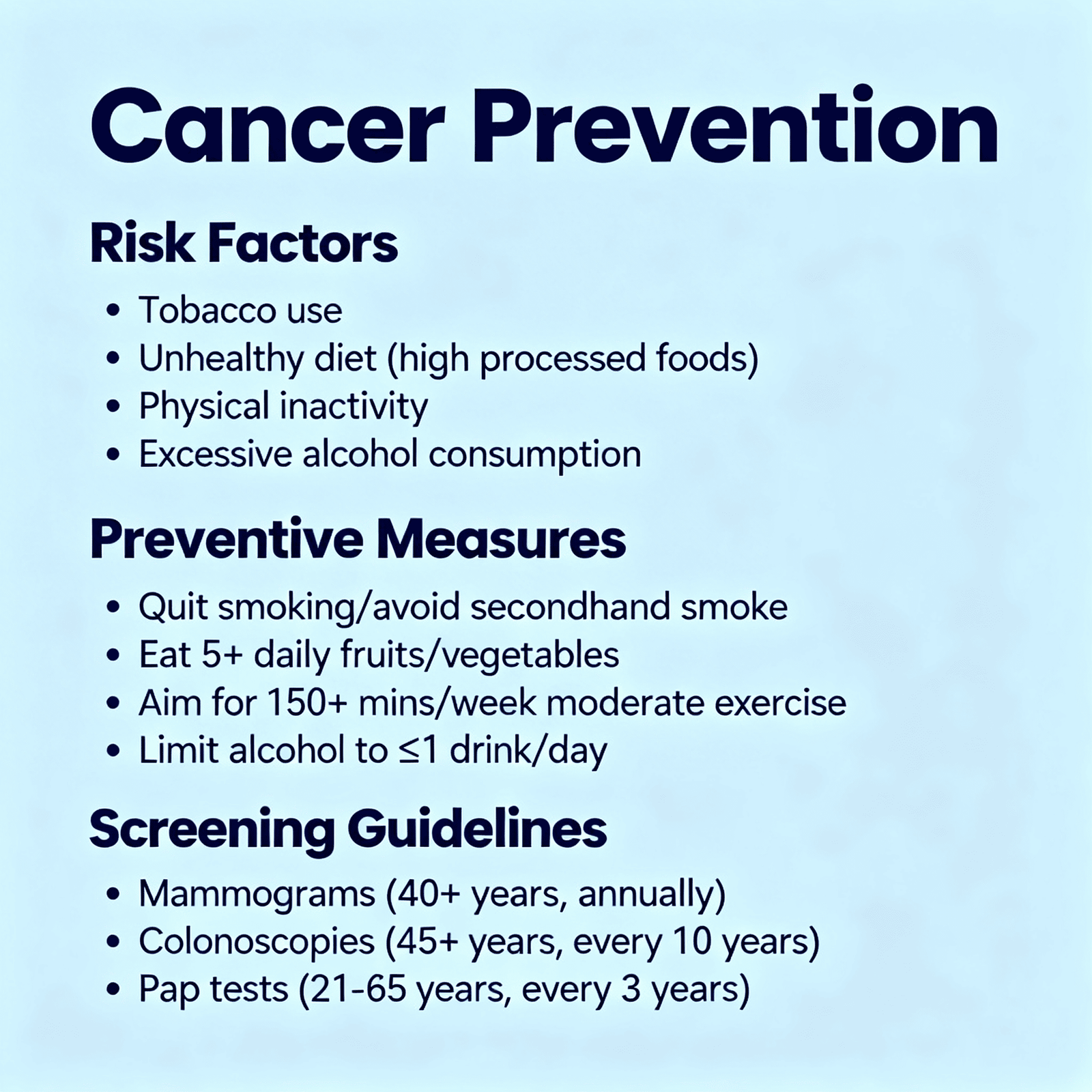
What You Can Do Today to Reduce Cancer Risk
Prevention does not require perfection — it requires consistency.
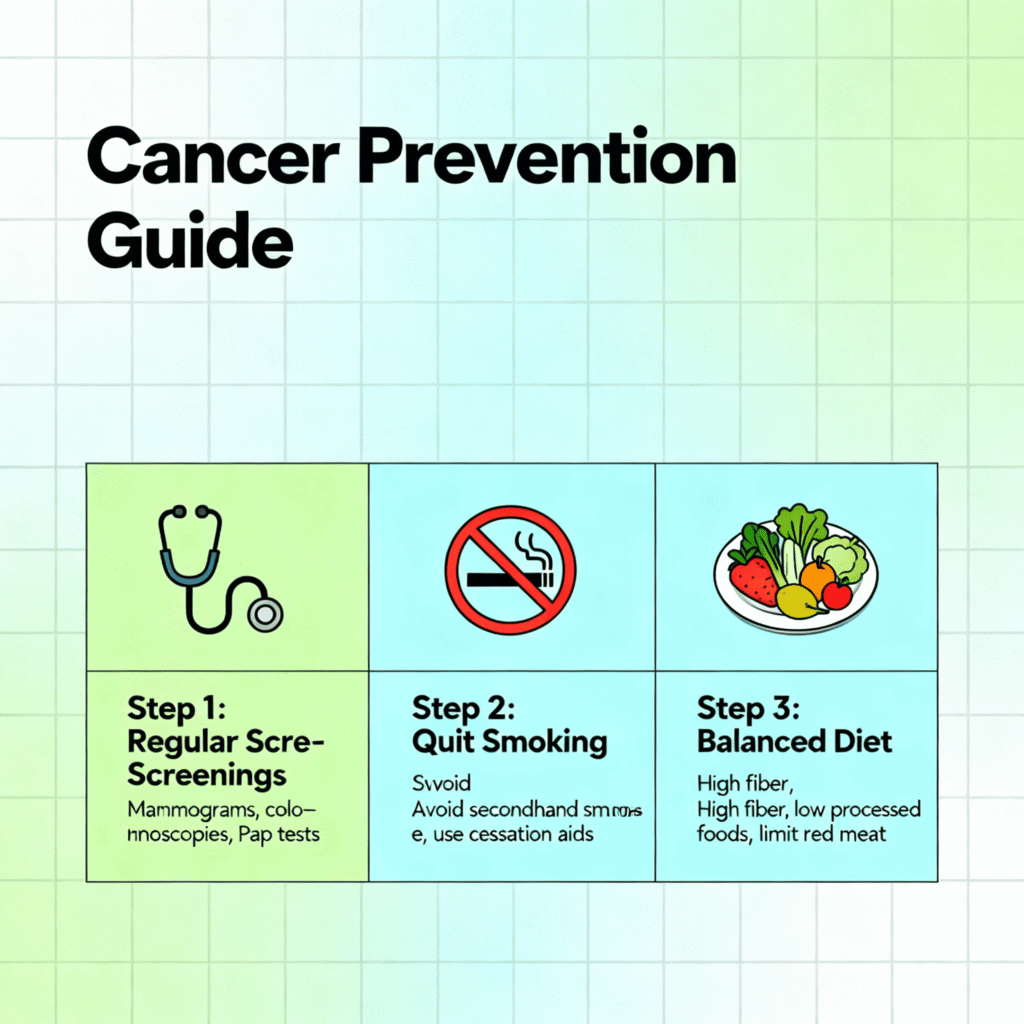
✔ Avoid Tobacco
If you smoke, seek support to quit. If you don’t smoke, don’t start.
✔ Limit Alcohol
Lowering alcohol consumption reduces long-term cancer risk.
✔ Maintain a Healthy Weight
Regular physical activity and balanced nutrition support metabolic and immune health.
✔ Get Vaccinated
HPV and hepatitis B vaccines prevent virus-related cancers.
✔ Protect Your Skin
Use sunscreen, wear protective clothing, and avoid excessive sun exposure.
🇨🇦 Cancer in Canada: Statistics & Most Common Types
While cancer is a global issue, understanding national patterns helps us take targeted action.
According to the Canadian Cancer Society:
- Nearly 2 in 5 Canadians will be diagnosed with cancer in their lifetime.
- Cancer accounts for about 1 in 4 deaths in Canada.
Most Common Cancers in Canada
Almost half of all new cancer diagnoses in Canada are concentrated in four types:
🫁 Lung & Bronchus Cancer
- Leading cause of cancer death in Canada
- Strongly linked to tobacco use
- Also influenced by air pollution and occupational exposures
👩 Breast Cancer
- Most common cancer among Canadian women
- Survival rates are high when detected early through screening
👨 Prostate Cancer
- One of the most frequently diagnosed cancers in Canadian men
- Risk increases with age
🍽️ Colorectal Cancer
- Common in both men and women
- Influenced by diet, obesity, and physical inactivity
Together, these four cancers represent approximately 48% of new cancer cases in Canada.
Why Are These Cancers Common in Canada?
📈 Aging Population
Cancer risk increases with age. About 90% of cancer diagnoses occur in adults over 50.
🚬 Tobacco Exposure
Although smoking rates have declined, tobacco remains a major contributor to lung cancer.
🍔 Diet & Obesity
High consumption of processed foods, low fiber intake, and rising obesity rates influence colorectal and breast cancer risk.
🚶 Physical Inactivity
Sedentary lifestyles increase risk for several cancers.
🧬 Screening & Early Detection
Canada has strong screening programs (breast and colorectal), which improve survival but also increase reported incidence due to early diagnosis.
Cancer Prevention in Canada: What You Can Do
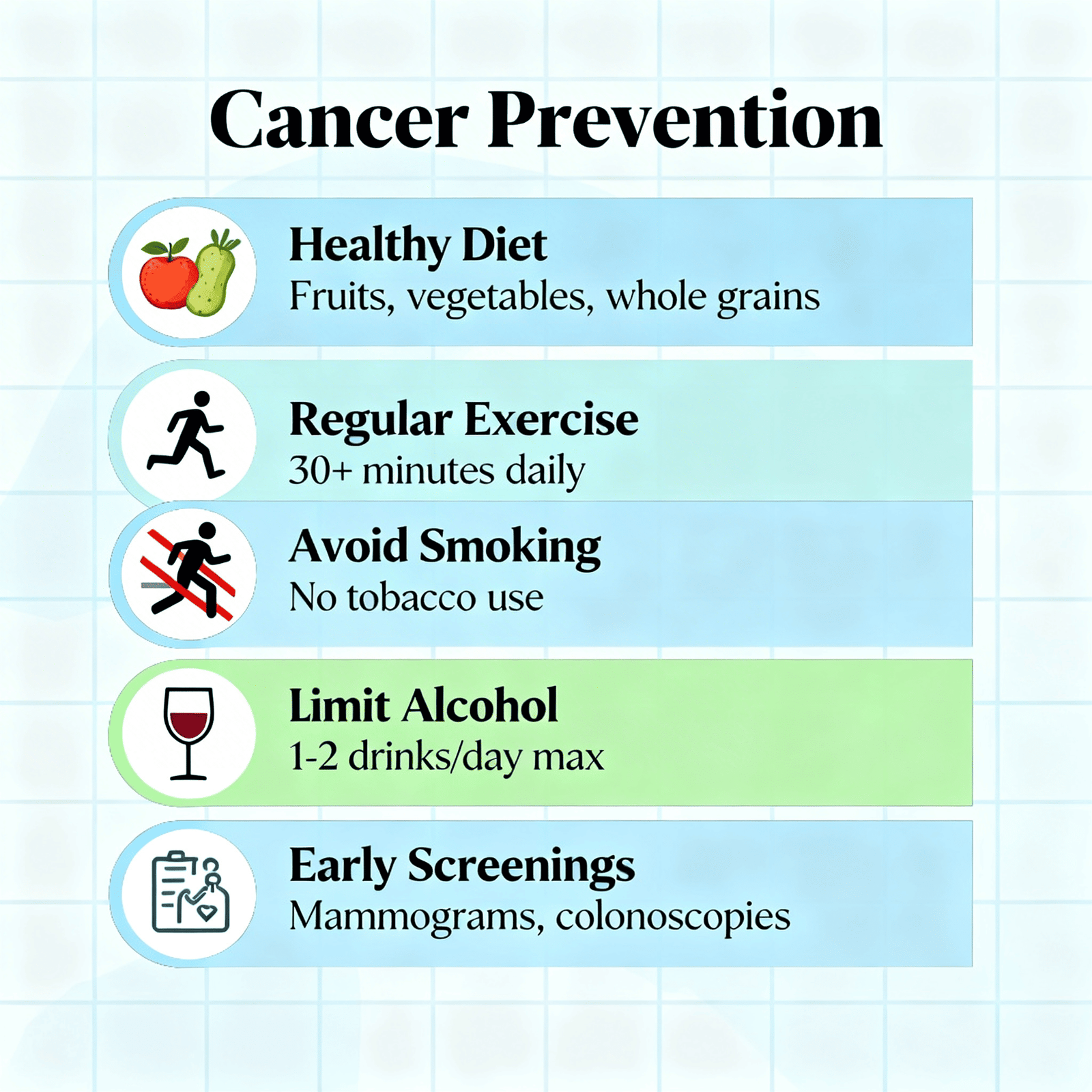
Canadians can reduce their risk by:
- Avoiding tobacco
- Staying physically active
- Maintaining a healthy body weight
- Eating a fiber-rich, plant-forward diet
- Participating in recommended screening programs
- Getting HPV and hepatitis B vaccines
- Limiting alcohol and protecting skin from UV exposure
Prevention Is Powerful
Cancer prevention is not only a personal responsibility, it requires community awareness, accessible healthcare, vaccination programs, and supportive public policy.
But your daily decisions matter.
Small choices made consistently can significantly reduce long-term cancer risk.
At WiserHealth, we focus on lifestyle medicine because prevention is more effective, and more humane, than treatment alone.
Together, we can reduce cancer risk globally and across Canada, and build healthier communities for the future.