
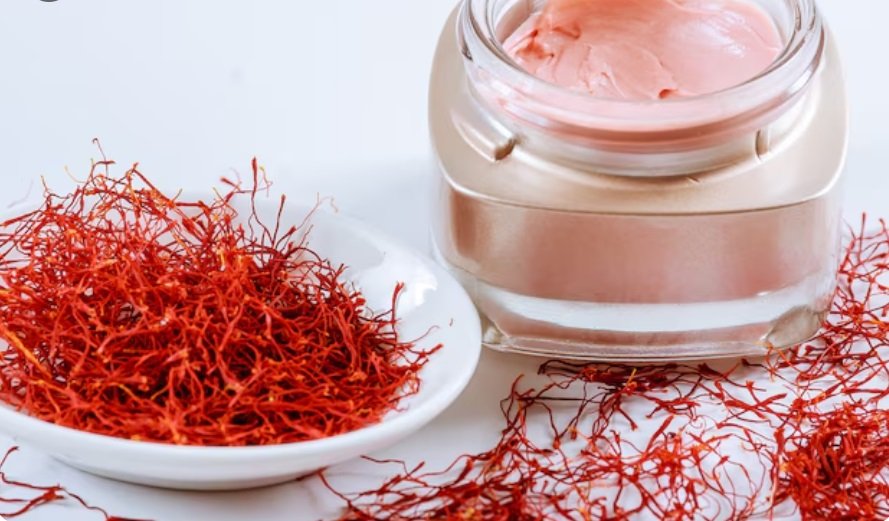
Saffron, often called “red gold,” is one of the most precious spices in the world not only for its culinary value but also for its impressive benefits for skin health. Rich in antioxidants, vitamins, and active plant compounds like crocin and safranal, saffron has been used for centuries in Persian, Indian, and Ayurvedic skincare traditions. Today, saffron is gaining renewed popularity in modern skincare due to its brightening, anti-aging, and healing properties.
This comprehensive guide explores how saffron enhances skin glow, reduces pigmentation, supports anti-aging, how to use it safely in homemade masks, its role in commercial skincare products, scientific findings, and how dietary consumption of saffron for skin can nourish from within.
Benefits of Saffron for Skin
1. Saffron’s Effect on Skin Radiance and Brightening
One of saffron’s most celebrated benefits is its ability to brighten the skin naturally. Its high concentration of antioxidants including crocin, crocetin, and vitamin C helps improve overall complexion by:
- Reducing dullness caused by pollution or stress
- Boosting blood circulation in the skin
- Supporting gentle exfoliation for fresher skin
- Lightening tan and sunspots over time
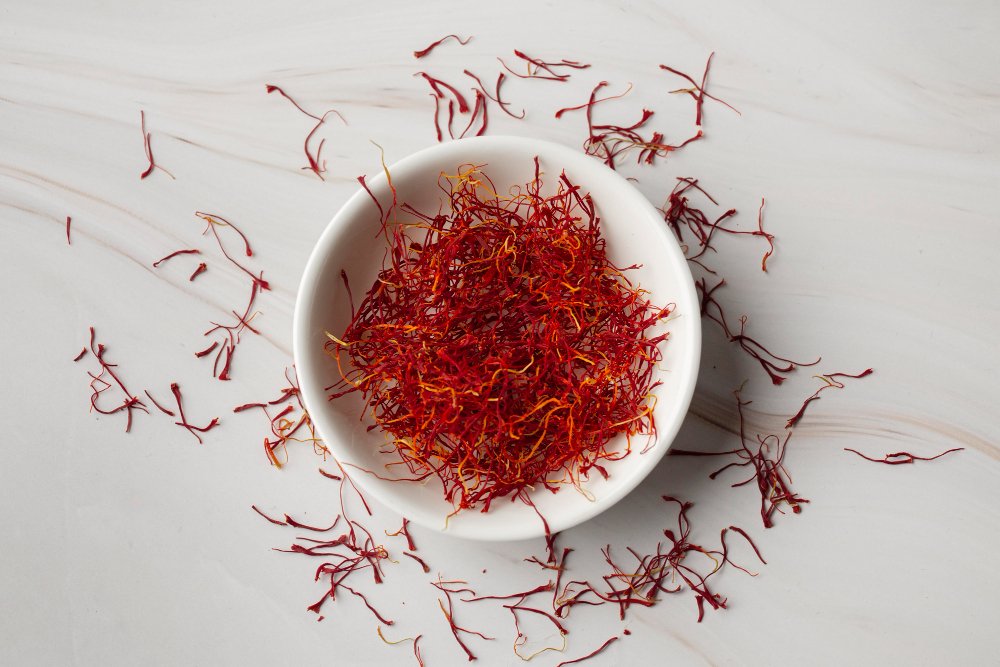
Saffron strands, when soaked in warm water or milk, release a golden pigment that promotes a healthy glow. Regular topical use can contribute to a more even, luminous skin tone, making it a popular ingredient in face masks and brightening serums.
2. The Role of Saffron in Reducing Dark Spots and Hyperpigmentation
Hyperpigmentation dark patches caused by sun exposure, acne scars, or hormonal imbalances is a common skin concern. Saffron naturally inhibits tyrosinase, the enzyme responsible for melanin production. This helps:
- Fade dark spots gradually
- Reduce discoloration and uneven skin tone
- Prevent new pigmentation from forming
Its gentle nature makes saffron a suitable brightening option for those who prefer natural remedies over chemical treatments like hydroquinone.
3. Saffron as an Anti-Aging Ingredient
Saffron contains powerful anti-aging compounds that protect the skin from premature aging. Environmental stressors such as UV rays and pollution generate free radicals, which accelerate the breakdown of collagen and elastin. Saffron’s antioxidant richness helps to:
- Protect skin cells from oxidative damage
- Reduce the appearance of fine lines
- Promote firmer, smoother skin
- Improve elasticity
Regular use can help maintain youthful, supple skin while reducing signs of aging.
4. Antioxidant Properties of Saffron and Their Role in Skin Rejuvenation
Antioxidants are essential for maintaining healthy skin, and saffron is one of the richest botanical sources. Key antioxidants include:
- Crocin: Anti-inflammatory and brightening
- Crocetin: Encourages skin repair
- Safranal: Provides anti-aging and soothing effects
These components combat oxidative stress, support skin cell turnover, and enhance natural healing. This makes saffron ideal for rejuvenation treatments, especially for tired, stressed, or damaged skin.
Saffron Masks and Methods of Use
1. How to Make a Saffron and Honey Mask for Skin Radiance
Ingredients:
- 3–4 saffron strands
- 1 teaspoon warm water or milk
- 1 tablespoon raw honey
Instructions:
- Soak saffron strands in warm water or milk for 10 minutes.
- Mix in honey to form a golden paste.
- Apply a thin layer to cleansed skin.
- Leave on for 15–20 minutes, then rinse with lukewarm water.
Benefits:
This mask hydrates and brightens the skin, reduces dullness, and gives an instant healthy glow.
2. Saffron and Milk Mask: A Natural Formula for Soft and Smooth Skin
Ingredients:
- 5–6 saffron strands
- 2 tablespoons warm milk
Instructions:
- Add saffron to the milk and let it infuse until the mixture turns golden.
- Apply using a cotton pad or brush.
- Leave for 10–15 minutes.
- Rinse with cool water.
Benefits:
Milk gently exfoliates due to lactic acid, while saffron brightens and softens. This mask is ideal for rough or dry skin.
3. Saffron and Rosewater Mask for Dry and Sensitive Skin
Ingredients:
- 3 saffron strands
- 1 tablespoon pure rosewater
- 1 teaspoon aloe vera gel (optional)
Instructions:
- Mix saffron with rosewater until the color releases.
- Add aloe vera gel for extra soothing.
- Apply to the face and leave for 15 minutes.
- Rinse gently.
Benefits:
Perfect for sensitive skin, this mask hydrates, reduces redness, and calms irritation.
4. Safety Tips for Using Saffron in Home Skincare
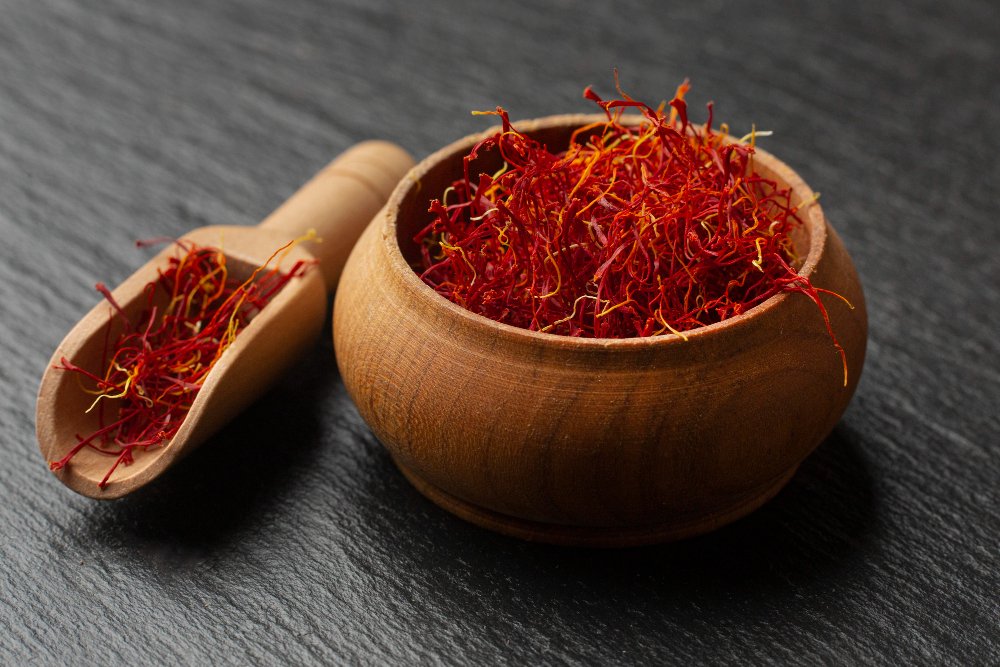
While saffron is generally safe, consider the following precautions:
- Always do a patch test to avoid allergic reactions.
- Use only 3–6 strands at a time—high amounts may irritate sensitive skin.
- Buy pure, high-quality saffron to avoid adulterated products.
- Avoid use on broken or inflamed skin.
- If pregnant or breastfeeding, consult a doctor before using large amounts (oral use).
Saffron in Commercial Skincare Products
1. A Look at Saffron-Based Creams and Serums in the Market
Many modern skincare brands now feature saffron in:
- Brightening creams
- Anti-aging serums
- Eye creams
- Facial oils
- Overnight masks
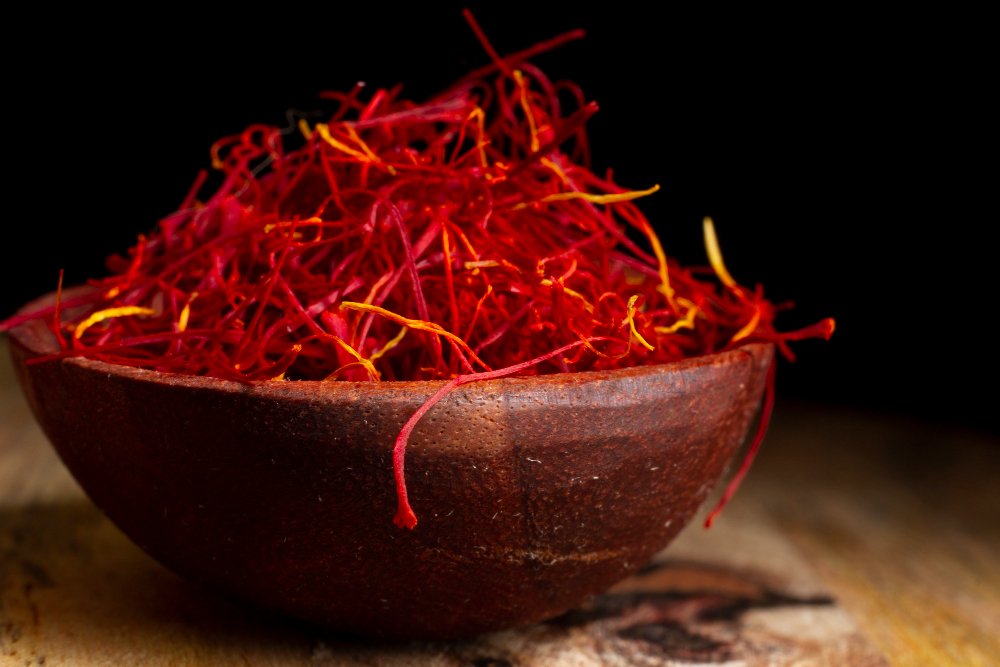
These products often combine saffron with vitamin C, niacinamide, or hyaluronic acid for enhanced results. Saffron is used for luxury skincare due to its high cost and potent benefits.
2. Pros and Cons of Saffron Products vs. Chemical-Based Products
Pros:
- Natural and gentle on the skin
- Rich in antioxidants
- Lower risk of irritation compared to harsh chemicals
- Suitable for long-term use
Cons:
- More expensive due to the rarity of saffron
- Results may appear slower than chemical treatments
- Potency varies depending on product quality
Saffron-based products are excellent for those seeking natural and holistic skincare, especially for brightening and anti-aging.
3. How Saffron Is Used as an Active Ingredient in Cosmetics
In modern formulations, saffron is incorporated in several forms:
- Saffron extract: Used in serums and creams
- Saffron essential oil: For aromatherapy and skincare blends
- Saffron-infused oils: Common in facial oils
- Micro-encapsulated saffron molecules: For stable, long-lasting effects
Manufacturers isolate active compounds like crocin to enhance efficiency and stability, applying them directly to skincare formulations.
Scientific and Traditional Perspectives on Saffron
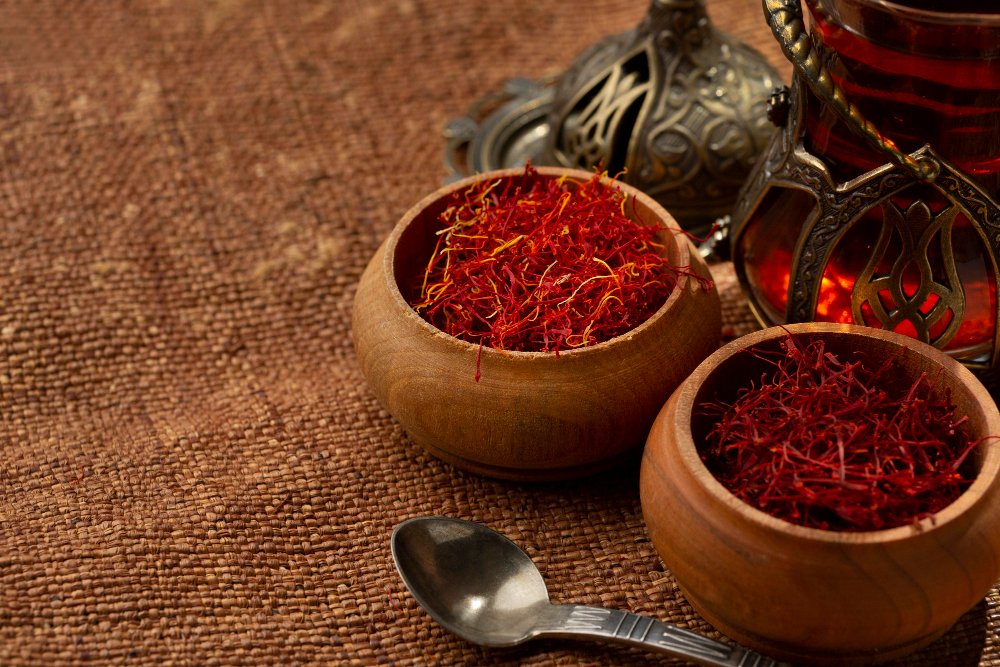
1. Scientific Studies on the Effects of Saffron on Skin
Recent research shows that saffron:
- Has strong antioxidant and anti-inflammatory effects
- Inhibits melanin production, reducing pigmentation
- Improves UV resistance
- Accelerates wound healing
- Boosts collagen production
Studies also indicate that saffron’s crocin and safranal compounds actively support skin cell repair and protect against oxidative aging.
2. Saffron in Traditional Persian Medicine and Ayurveda
In Persian traditional medicine, saffron is used to:
- Improve complexion
- Treat blemishes
- Enhance blood circulation
- Support internal detoxification
In Ayurveda, saffron (known as Kesar) is categorized as a premium herb used to:
- Balance all three doshas
- Nourish skin tissues
- Brighten dull skin
- Reduce inflammatory skin conditions
Both traditions consider saffron a rejuvenating and complexion-enhancing herb.
3. Active Compounds in Saffron for Skin Benefits (Crocin, Safranal, etc.)
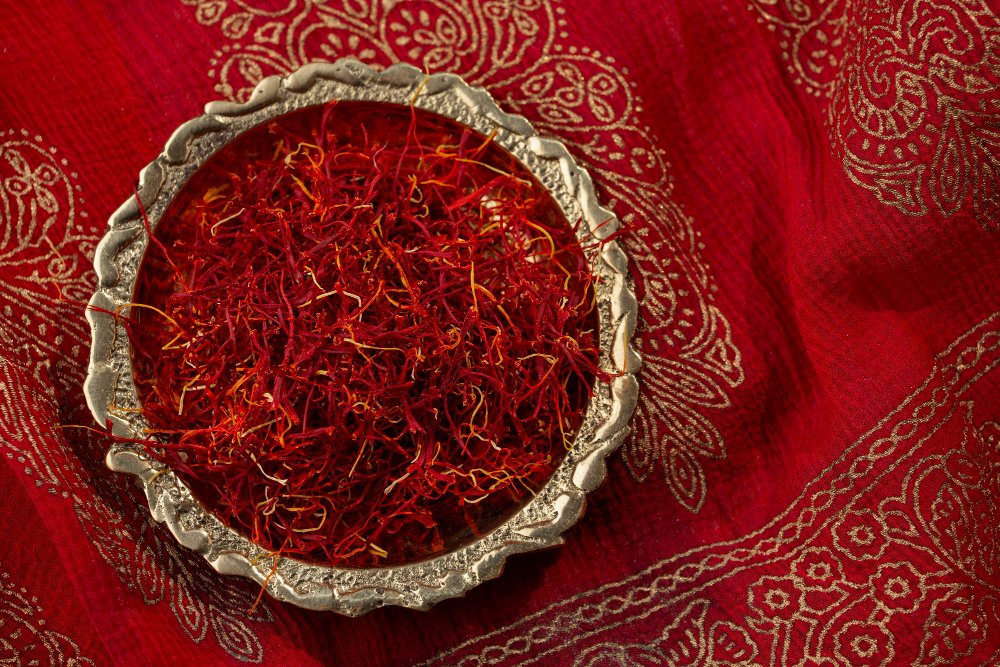
Key bioactive compounds:
- Crocin: Provides antioxidant, brightening, and anti-inflammatory effects
- Crocetin: Improves skin elasticity and supports cell regeneration
- Safranal: Offers soothing, anti-aging properties
- Kaempferol: A flavonoid that helps fight free radical damage
These compounds work synergistically, making saffron a powerful skin-healing and rejuvenating ingredient.
Nutrition, Saffron, and Skin Health
1. The Impact of Consuming Saffron on Skin Glow and Health
Beauty begins from within, and diet plays a big role in skin quality. Consuming saffron:
- Boosts blood circulation, giving skin a natural glow
- Reduces inflammation and oxidative stress
- Supports liver health, improving skin clarity
- Balances hormones that may trigger acne
You can add saffron to warm milk, rice dishes, or herbal teas for daily benefits.
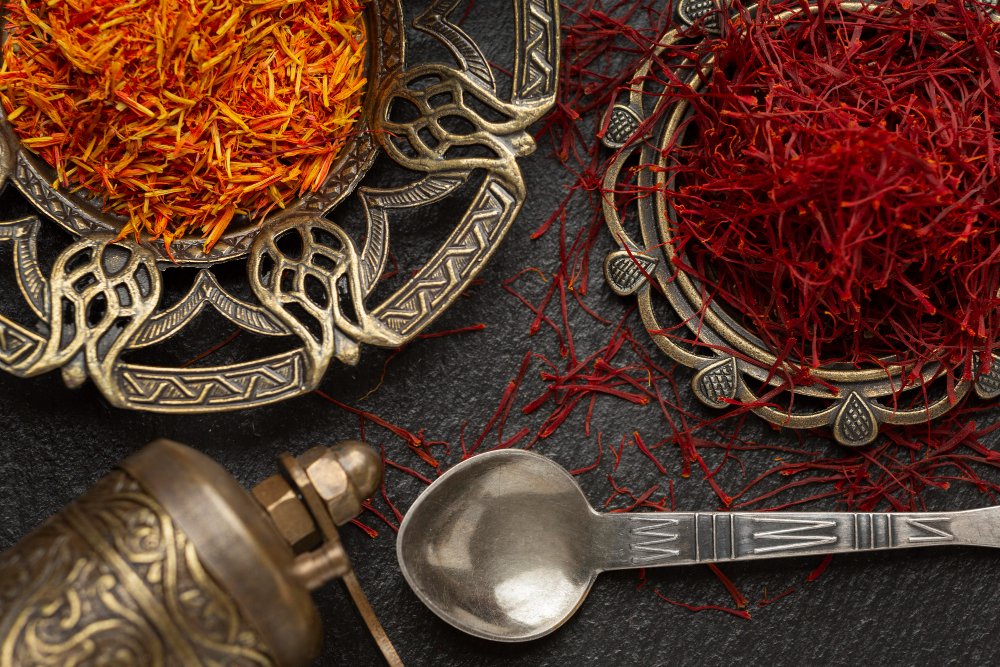
2. Saffron Tea and Its Effects on Stress Reduction and Acne
Stress is a major trigger for breakouts and hormonal acne. Saffron tea is known to:
- Reduce cortisol levels
- Enhance mood by boosting serotonin
- Support better sleep
Lower stress levels directly contribute to clearer, calmer skin. Its anti-inflammatory properties also help reduce acne flare-ups.
3. A Diet Including Saffron for Healthier Skin
To incorporate saffron effectively:
- Use 2–3 strands daily in warm water or milk
- Add to soups, rice, or herbal infusions
- Combine with antioxidant-rich foods like berries and nuts
A saffron-rich diet improves skin texture, reduces dullness, and supports overall well-being.
Conclusion
Saffron is more than a luxurious spice it’s a powerful natural ingredient for glowing, youthful, and healthy skin. Its brightening, anti-aging, antioxidant, and anti-inflammatory properties make it a valuable addition to both home skincare routines and commercial beauty products. Backed by traditional wisdom and modern science, saffron offers holistic benefits from topical application to dietary use.
Whether used in face masks, infused oils, serums, or enjoyed in tea, saffron can transform your skincare journey naturally and effectively. .
Is saffron good for skin brightening?
Yes. Saffron contains natural compounds like crocin and vitamin C that reduce dullness, fade tanning, and promote a healthy, even glow.
Can saffron remove dark spots and pigmentation?
Saffron helps lighten pigmentation by inhibiting tyrosinase activity, which reduces melanin production. Regular use can fade dark spots naturally.
How often can I use a saffron face mask?
2–3 times per week is ideal. Using too much saffron daily may cause irritation for sensitive skin.
Which saffron mask is best for glowing skin?
A mask made with saffron and honey is effective for instant radiance and hydration.
Can saffron irritate sensitive skin?
Pure saffron is gentle, but always perform a patch test. Low-quality or adulterated saffron may cause irritation.
Does drinking saffron improve skin?
Yes. Saffron tea reduces stress, inflammation, and hormonal imbalance three key factors that affect skin clarity and glow.
Are saffron skincare products better than chemical products?
They are gentler and rich in antioxidants, though results may take longer than strong chemical brighteners.
What active compounds in saffron help the skin?
Crocin, crocetin, safranal, and kaempferol all of which have antioxidant, brightening, and anti-aging properties.
How can I identify pure saffron for skincare?
Pure saffron releases its color slowly, has a strong earthy aroma, and does not dissolve instantly. Fake saffron loses color quickly.
Can pregnant women use saffron on their skin?
Topical use is usually safe, but oral consumption should be discussed with a doctor.
Leave a Reply