
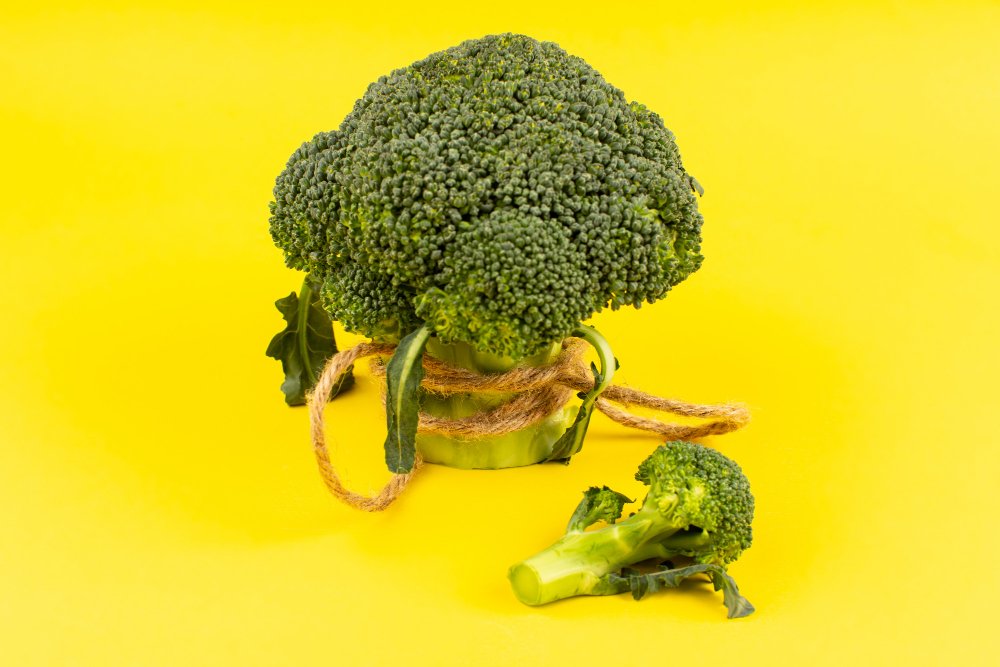
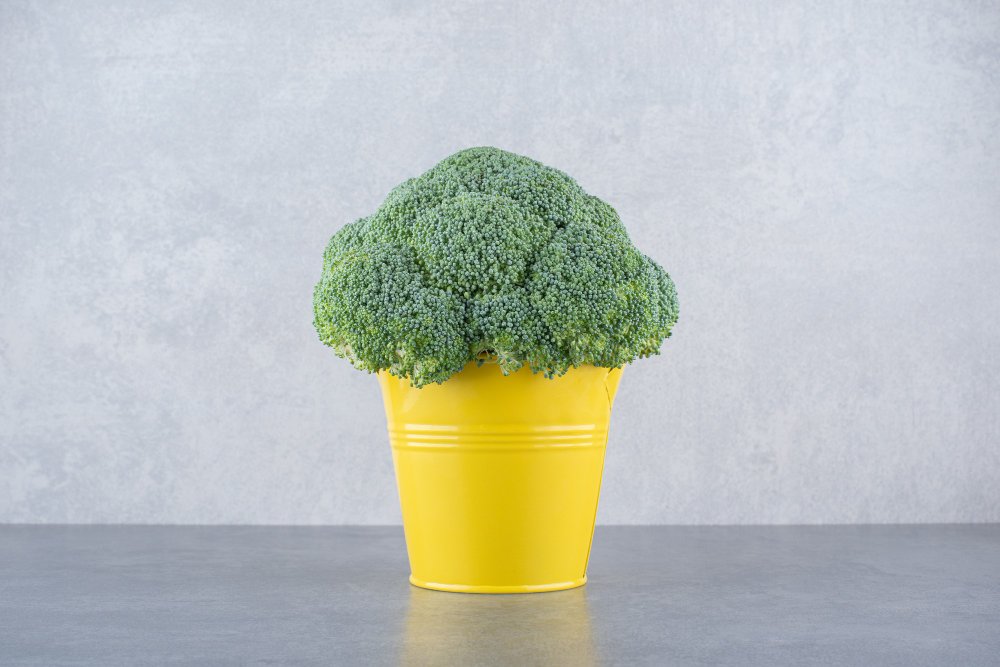
Broccoli is one of the world’s most popular superfoods bright green, crunchy, packed with vitamins, and famously recommended by nutritionists everywhere. But in recent years, broccoli sprouts have gained attention too. These tiny, newly sprouted broccoli seeds are only a few days old, yet they contain concentrated levels of special plant compounds that make them even more powerful than mature broccoli.
If you’re considering adding broccoli or broccoli sprouts to your daily diet or writing about them, selling them, or recommending them this article gives you a complete, science-based guide that’s easy for everyone to understand.
What Makes Broccoli and Broccoli Sprouts So Special?
Both broccoli and broccoli sprouts are part of the cruciferous vegetable family, which also includes cauliflower, cabbage, kale, and Brussels sprouts. What makes them unique is their unusually high amount of a compound called glucoraphanin. When the vegetable is chopped or chewed, glucoraphanin converts into sulforaphane, a powerful plant chemical.
Sulforaphane is the “star” behind many of broccoli’s health benefits.

Broccoli vs. Broccoli Sprouts: What’s the Difference?
| Feature | Broccoli (mature vegetable) | Broccoli Sprouts (3–5 day seedlings) |
| Taste | Mild, earthy, crunchy | Fresh, peppery, mild |
| Nutrients | High in vitamins, minerals, fiber | Lower in vitamins but extremely high in sulforaphane precursors |
| Sulforaphane potential | Moderate | Up to 100x more glucoraphanin |
| How it’s eaten | Cooked or raw | Raw in salads, smoothies, sandwiches |
The biggest difference is concentrated sulforaphane. That’s why broccoli sprouts are often labeled as a super-superfood.
Health Benefits of Broccoli and Broccoli Sprouts
Below are some of the most commonly studied and science-supported benefits. These are general wellness benefits, not medical claims.
1. Powerful Antioxidant Protection
Sulforaphane acts as a natural antioxidant inside the body. It helps reduce oxidative stress, which plays a role in aging and everyday cellular damage.
Broccoli also contains:
- Vitamin C
- Beta carotene
- Flavonoids
- Chlorophyll
These all help protect cells from environmental stress, toxins, and daily wear and tear.
2. Supports Natural Detoxification Processes
One of the most studied benefits of sulforaphane is its ability to help the body’s natural detox pathways. This doesn’t mean it “detoxes” the body in a dramatic way; rather, it supports the liver in doing its normal job.
Researchers have shown that sulforaphane can:
- Support Phase II detox enzymes
- Help the body eliminate certain environmental compounds
- Support the body’s natural cleansing processes
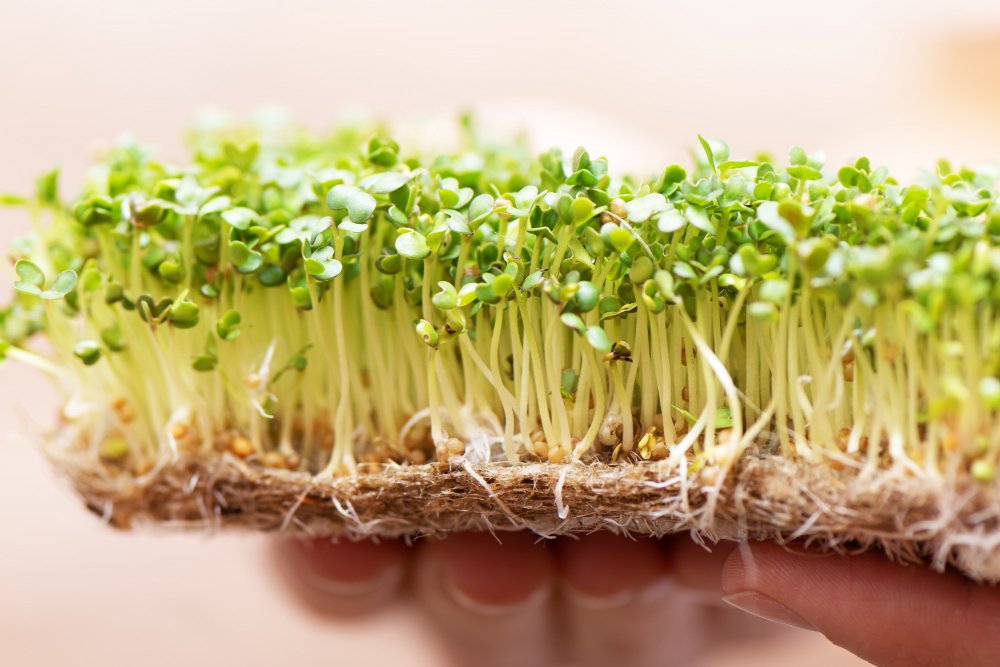
Broccoli sprouts in particular are known for this benefit.
3. Good for Heart Health
Eating broccoli regularly may support heart health by:
- Helping maintain healthy cholesterol levels
- Supporting normal blood pressure
- Providing fiber that helps digestion and weight balance
Sulforaphane also contributes to maintaining healthy blood vessel function.
4. Supports Immune System Health
Broccoli is rich in immune-boosting nutrients like:
- Vitamin C
- Vitamin A
- Zinc
- Selenium (small amounts)
Broccoli sprouts contain compounds that help reduce everyday inflammation, which indirectly supports a stronger immune system.

5. Promotes Healthy Skin
Because broccoli and its sprouts are high in antioxidants and vitamin C, they support natural collagen production and help protect the skin from environmental damage.
Sulforaphane also helps skin cells respond better to stress, sunlight, and pollution.
6. Helps with Healthy Digestion
Broccoli is high in fiber, which supports:
- Regular bowel movements
- Healthy gut bacteria
- Better nutrient absorption
Broccoli sprouts are low in fiber but contain compounds that gently support digestive wellness.
7. Supports Brain Health
Early research suggests that sulforaphane may support:
- Memory
- Focus
- Normal brain inflammation response
While broccoli sprouts are not a treatment for any condition, their nutrient profile is friendly to long-term brain health.
Can Broccoli and Broccoli Sprouts Help with Diabetes?
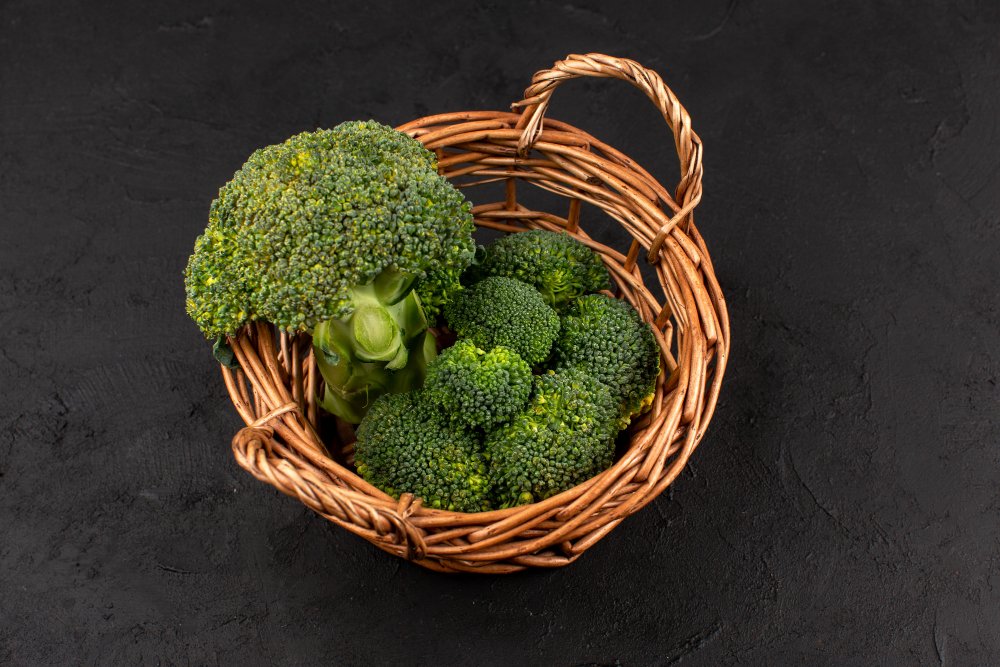
Broccoli and broccoli sprouts may be helpful for people managing diabetes because they contain natural compounds that support healthy blood sugar balance. Broccoli is rich in fiber, which slows digestion and helps prevent sharp spikes in blood glucose after meals. Broccoli sprouts are especially interesting because they contain high levels of sulforaphane, a plant compound that researchers have studied for its potential to support normal insulin function and improve how the body uses glucose.
While these foods are not treatments for diabetes, adding broccoli or broccoli sprouts to meals may help support overall metabolic health, reduce inflammation, and contribute to steadier energy throughout the day. As always, people with diabetes should enjoy these foods as part of a balanced diet and follow guidance from their healthcare professional.
Who Should Eat Broccoli?
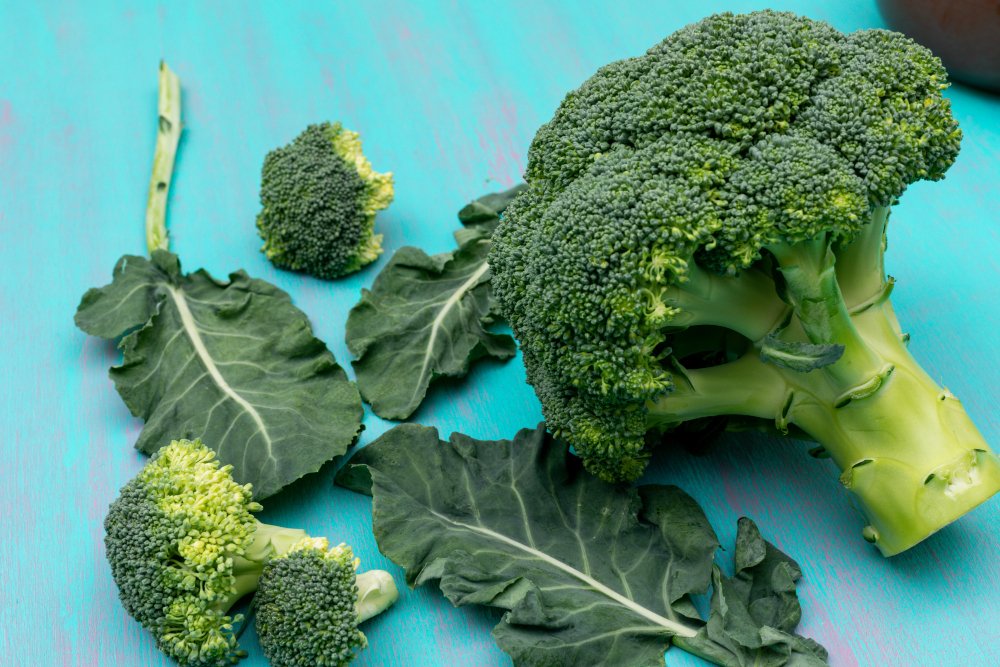
The following groups generally benefit from including broccoli in their daily meals.
1. People Who Want to Improve Nutrition Easily
Broccoli is an effortless way to boost vitamin and mineral intake without supplements.
2. People Managing Their Weight
Broccoli is:
- Low in calories
- High in fiber
- Filling
It helps reduce overeating while keeping you satisfied.
3. Anyone Interested in Supporting Their Heart or Immune System
The nutrients in broccoli naturally support overall wellness.
4. Individuals Who Prefer Gentle, Natural Health Foods
Broccoli is safe, simple, and familiar making it ideal for everyday diets.

Who Should Eat Broccoli Sprouts?
Broccoli sprouts are especially useful for people who want a concentrated source of sulforaphane.
They’re helpful for:
1. People Who Want Maximum Nutritional Strength in Small Portions
Just a handful of sprouts equals the sulforaphane in cups of broccoli.
2. Busy People
Easy to add to smoothies, salads, sandwiches, or bowls.
3. People Interested in Wellness and Longevity
Because of sulforaphane’s antioxidant role, sprouts are popular in wellness communities.
4. People Who Don’t Enjoy Broccoli
Sprouts have a lighter, fresher taste.
Who Should NOT Eat Broccoli or Broccoli Sprouts?
While broccoli and broccoli sprouts are safe for most people, a few groups may need caution.
1. People with Thyroid Conditions Using Certain Medications
Raw cruciferous vegetables only in large amounts may affect iodine absorption. Cooking broccoli reduces this issue significantly.
Broccoli sprouts, eaten raw, are potent. People with thyroid concerns should consume moderate amounts and consult a healthcare provider if unsure.
2. People Taking Blood-Thinning Medications
Broccoli contains vitamin K, which plays a role in blood clotting. Those using specific medications may need to monitor vitamin K intake.
3. People with Digestive Sensitivities
Some people experience:
- Gas
- Bloating
- Stomach discomfort
Cooking broccoli makes it easier to digest. Broccoli sprouts are usually gentler.
4. Pregnant or Breastfeeding Individuals
Broccoli is safe, but broccoli sprouts may carry a slight risk of bacterial contamination if not properly washed or handled. They must be fresh and safely prepared.
5. People with Allergies (Rare)
Though uncommon, some individuals may be allergic to cruciferous vegetables.
How to Eat Broccoli for Maximum Benefits
Broccoli can be eaten raw or cooked, but how you prepare it affects its nutrient levels.
Best Ways to Prepare Broccoli
- Light steaming (3–5 minutes) preserves the most nutrients
- Raw broccoli is rich but harder to digest
- Sautéing is good but avoid overcooking
- Boiling reduces many nutrients, especially vitamin C
Light cooking increases sulforaphane production while keeping vitamins intact.
How to Eat Broccoli Sprouts Safely
Broccoli sprouts are best eaten raw, since cooking destroys sulforaphane.
Easy ways to add them to meals:
- Mix into salads
- Add to sandwiches or wraps
- Blend into smoothies
- Sprinkled on top of soups after cooking
- Add to rice bowls or stir-fries after removing from heat
Safety Tips
Sprouts must be:
- From a clean, trusted source
- Refrigerated
- Washed before use
You can also grow them at home fresh, safe, and inexpensive.
Broccoli vs. Broccoli Sprouts: Which Is Better for You?
There is no “winner” they simply offer different things:
- Broccoli is rich in fiber, vitamins, and minerals
- Broccoli sprouts are rich in sulforaphane precursors
Ideally, include both in your diet for maximum benefit.
Conclusion
Absolutely. Both broccoli and broccoli sprouts are nutrient-dense, versatile, and backed by strong scientific interest. While broccoli supplies essential vitamins, minerals, and fiber, broccoli sprouts deliver one of the highest natural sources of sulforaphane available in any food.
They’re suitable for most people and can easily be added to almost any meal. With proper handling and awareness of who should use caution, these two foods are among the simplest and most powerful additions to a healthy diet.
Whether you’re writing for a website, building a nutrition blog, or simply trying to eat healthier, broccoli and broccoli sprouts are topics that naturally attract readers because everyone wants easy, natural ways to improve wellness.
FAQ
Are broccoli sprouts safe to eat raw?
Yes, but they must be washed properly and come from a clean source.
Do broccoli sprouts taste like broccoli?
Not exactly they have a mild, peppery flavor similar to radish sprouts.
Can children eat broccoli sprouts?
Yes, but small amounts are recommended when introducing them.
How long do broccoli sprouts last?
Typically 3–5 days in the refrigerator.
Leave a Reply