

Slack notifications. Emails. A message from your manager.
You slept poorly. You’ve already had too much caffeine.
Every interruption feels heavier than it should.
You feel flat. Unmotivated. Starting even a small task feels exhausting.
Sound familiar?
It may look like laziness.
It may feel like burnout.
But what you’re likely experiencing is something more specific:
Allostatic Load.
What Is Allostatic Load?
The term allostatic load was introduced by researchers Bruce McEwen and Eliot Stellar at Rockefeller University.
It refers to the cumulative wear and tear on the body and brain caused by repeated stress exposure.
Your nervous system is constantly adapting to demands, deadlines, emails, financial pressure, caregiving, sleep deprivation.
That adaptation has a physiological cost.
Understanding your Allostatic Load is critical for managing stress and improving overall well-being.
Understanding your Allostatic Load can provide insights into your overall health and performance.
When recovery doesn’t happen, the cost accumulates.
Over time, this buildup reduces:
- Cognitive performance
- Motivation
- Creativity
- Emotional regulation
- Physical resilience
It’s like driving with the handbrake partially on.

The Hidden Cost of Chronic Stress
Short-term stress can enhance performance.
Long-term stress without recovery leads to:
- Hormonal imbalance (elevated cortisol, adrenaline)
- Reduced HRV (heart rate variability)
- Impaired focus
- Increased anxiety
- Burnout
- Long-term health risks
One of the biggest casualties?
Flow state.
Why High Allostatic Load Blocks Flow
Flow requires a precise neurochemical balance:
- Dopamine (motivation & reward)
- Norepinephrine (alertness)
- Endorphins (pain modulation)
- Anandamide (creativity)
- Serotonin (mood stability)
When stress remains chronically high, cortisol disrupts this balance.
Your system stays in survival mode instead of creative mode.
Flow becomes inaccessible.
The Athlete Mindset: Energy, Not Time
Elite performers understand something fundamental:
You cannot create more time.
But you can increase available energy.
Performance is limited by energy, not hours.
The key principle is oscillation.
Oscillation: The Rhythm of Performance
In their book The Power of Full Engagement, Jim Loehr and Tony Schwartz describe oscillation as the rhythmic movement between:
- Stress
- Recovery
Just like muscle training:
Stress → Recovery → Supercompensation → Increased capacity
Without recovery:
Stress → Breakdown → Burnout
The enemy is not stress.
The enemy is linearity, constant output without restoration.

Recovery vs. Relaxation
This is where most people misunderstand the process.
Relaxation:
- Watching TV
- Scrolling
- Passive distraction
- Junk food
- Alcohol
It may feel good mentally.
But it does not reset your nervous system.
It does not:
- Activate the parasympathetic system effectively
- Restore neurochemistry
- Increase HRV
Active Recovery
Active recovery deliberately stimulates nervous system repair.
It:
- Reduces allostatic load
- Activates the parasympathetic nervous system
- Replenishes depleted neurotransmitters
- Increases HRV
This leads to faster baseline restoration, and sometimes even improved capacity beyond baseline.
Evidence-Based Active Recovery Protocols
1. Breathwork

Techniques like box breathing and 4-7-8 breathing:
- Lower heart rate
- Reduce blood pressure
- Improve cognitive clarity
2. Cold Exposure
Stimulates norepinephrine production, improving:
- Alertness
- Mood
- Mental clarity
3. Heat Therapy (Sauna)
Supports:
- Circulation
- Blood pressure regulation
- Stress reduction
- Heat shock protein activation
4. Meditation
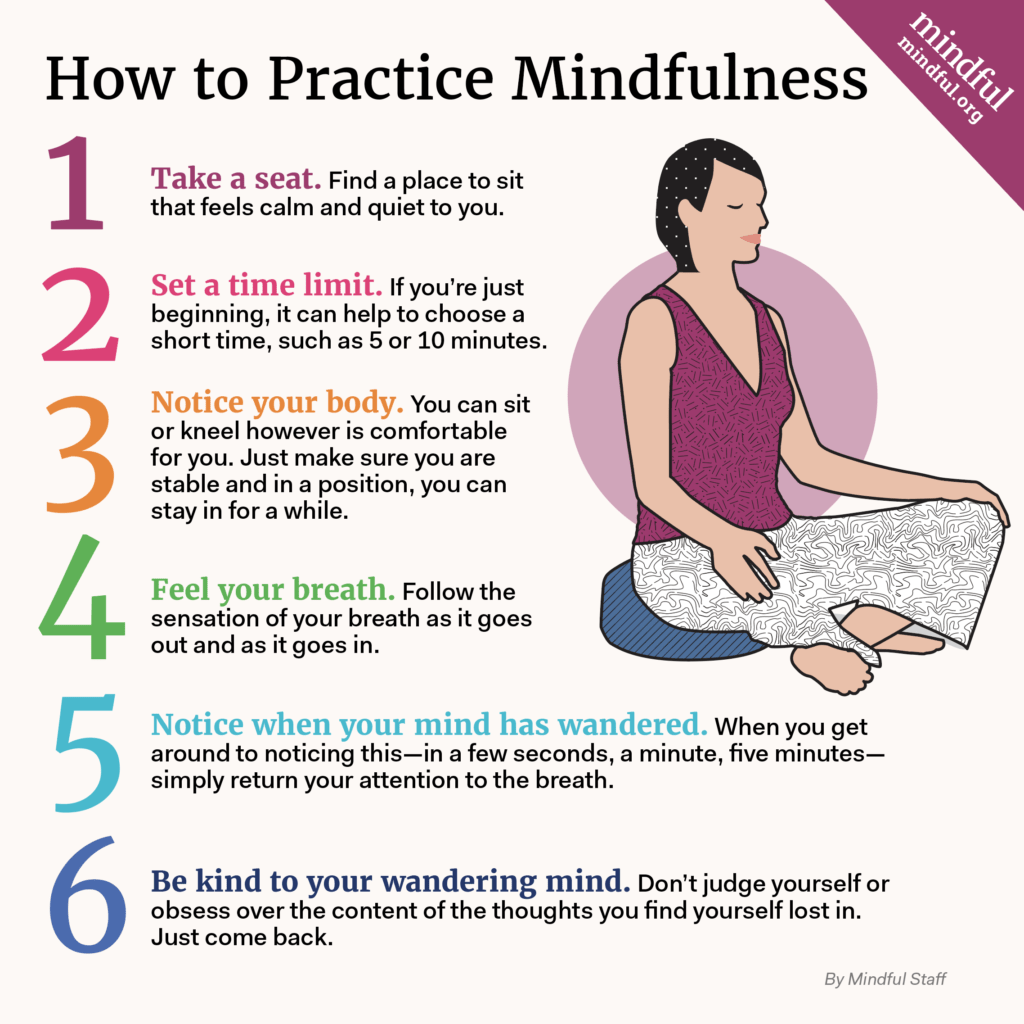
Regular practice lowers cortisol and improves:
- Attention
- Emotional regulation
- Anxiety symptoms
5. High-Intensity Interval Training (HIIT)
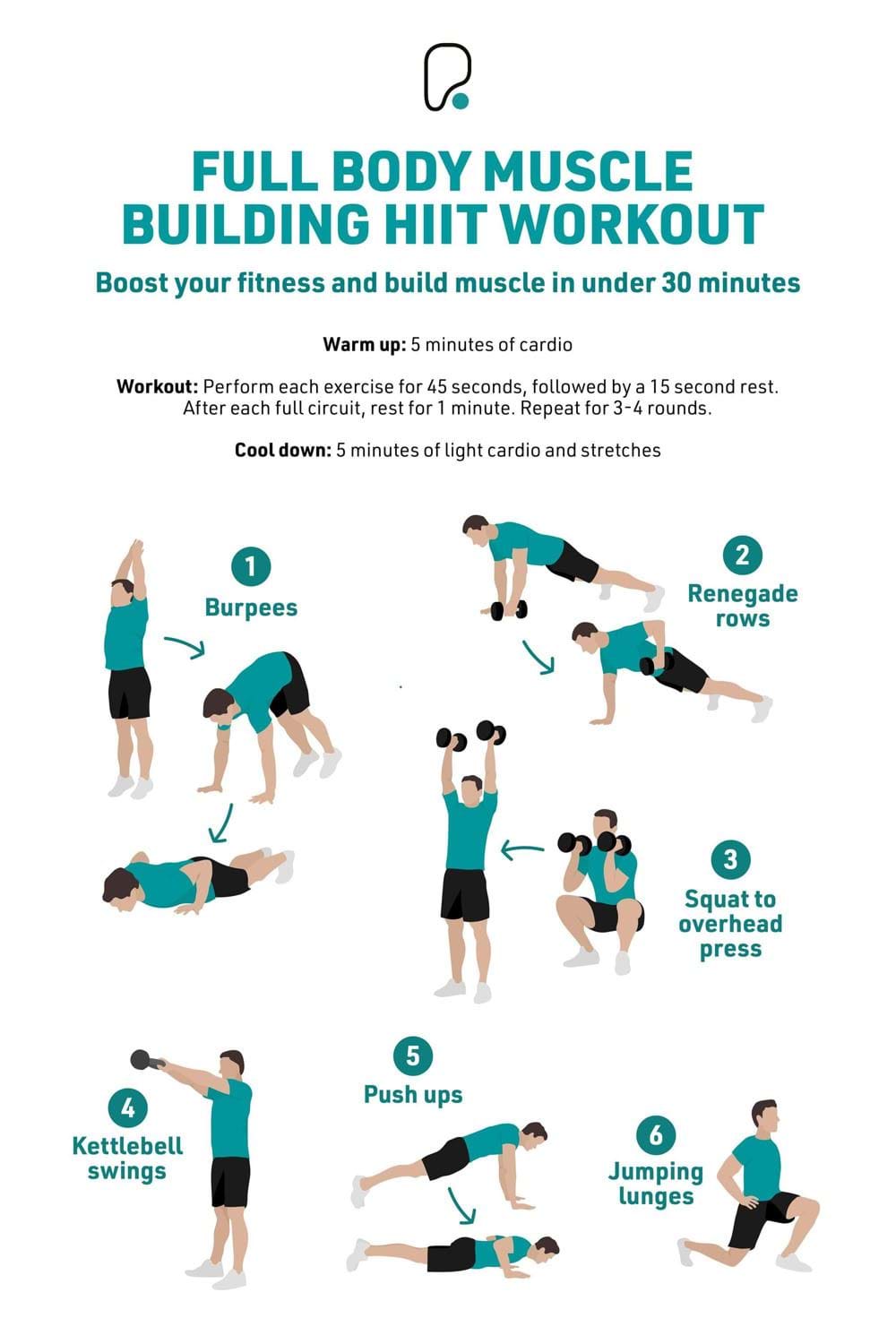
Boosts:
- Endorphins
- Neurogenesis
- Metabolic resilience
6. Nature Exposure
Wide horizons and green spaces calm the nervous system and reduce sympathetic overdrive.
7. Quality Social Connection
Strong social bonds are associated with:
- Longevity
- Lower depression rates
- Improved resilience
8. Sleep

Sleep is biologically active. It:
- Consolidates memory
- Repairs tissue
- Regulates emotional centers (like the amygdala)
How Do You Know It’s Working?
Objective marker:
Heart Rate Variability (HRV) increases.
Subjective marker:
You feel neurologically reset, as if returning from a short vacation.
Recovery Is Part of the Work
If you take pride in working harder than everyone else, consider this:
Recovery is not weakness.
Recovery is performance infrastructure.
The most effective professionals operate in two modes:
- Fully engaged
- Fully disconnected
They eliminate the “gray zone” of half-work, half-rest.
The Recovery Cadence
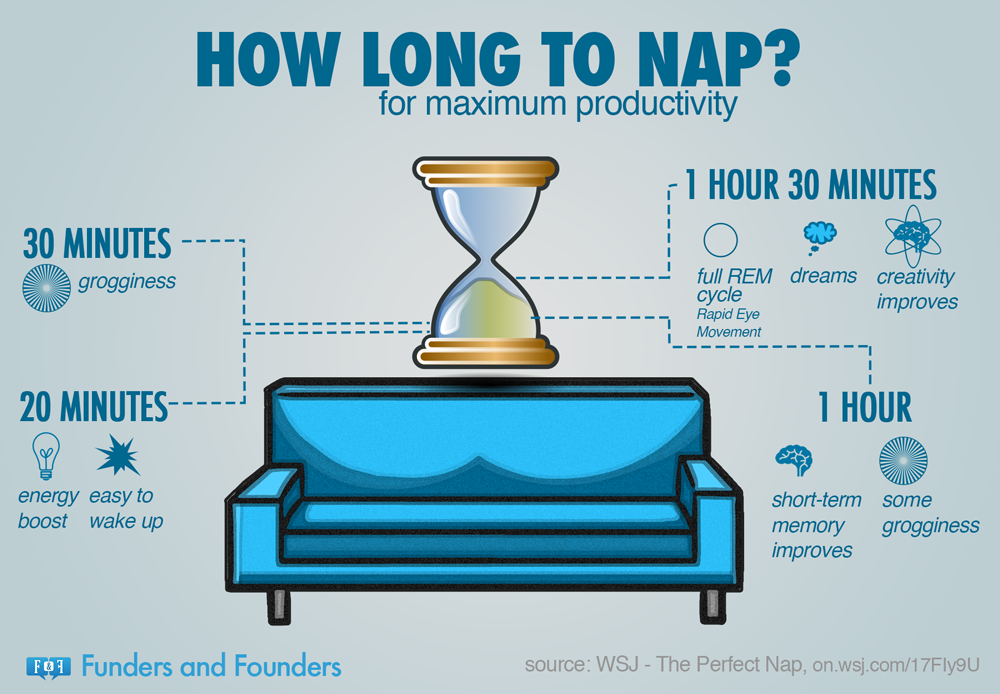
To sustainably lower allostatic load, schedule recovery like you schedule meetings.
Daily
- 20–60 minutes breathwork, meditation, light movement
Weekly
- 1 full recovery day
- HIIT or strength training session
Monthly
- 2–3 day digital detox
Quarterly
- 7–10 day deeper reset
Annually
- 2 weeks full vacation
Raise Your Baseline
When you manage energy like an athlete:
Your baseline rises.
Your ceiling rises.
Your stress tolerance improves.
Your access to flow becomes consistent.
The goal is not to grind harder.
The goal is to oscillate better.
Final Takeaway
Don’t grind.
Oscillate.
Stress is necessary.
Recovery is mandatory.
And clearing your allostatic load may be the single most powerful productivity strategy you are not currently using.
FAQ:
What is allostatic load in simple terms?
Allostatic load is the “wear and tear” on your body and mind caused by long-term stress. When stress is constant, your body stays in survival mode, leading to fatigue, burnout, and health problems.
Can high allostatic load make me feel lazy or unmotivated?
Yes. High allostatic load drains your energy and mental capacity, making everyday tasks feel overwhelming. This isn’t laziness—it’s biological overload.
What are common signs of high allostatic load?
Common signs include constant fatigue, brain fog, poor sleep, anxiety, weight gain, low motivation, frequent illness, and feeling emotionally overwhelmed.
ow does chronic stress increase allostatic load?
Chronic stress keeps stress hormones like cortisol elevated. Over time, this disrupts metabolism, sleep, immune function, and emotional regulation, increasing allostatic load.
Can allostatic load affect weight gain and metabolism?
Yes. High allostatic load can slow metabolism, increase cravings, promote belly fat, and make weight loss more difficult, even with diet and exercise.
Leave a Reply