
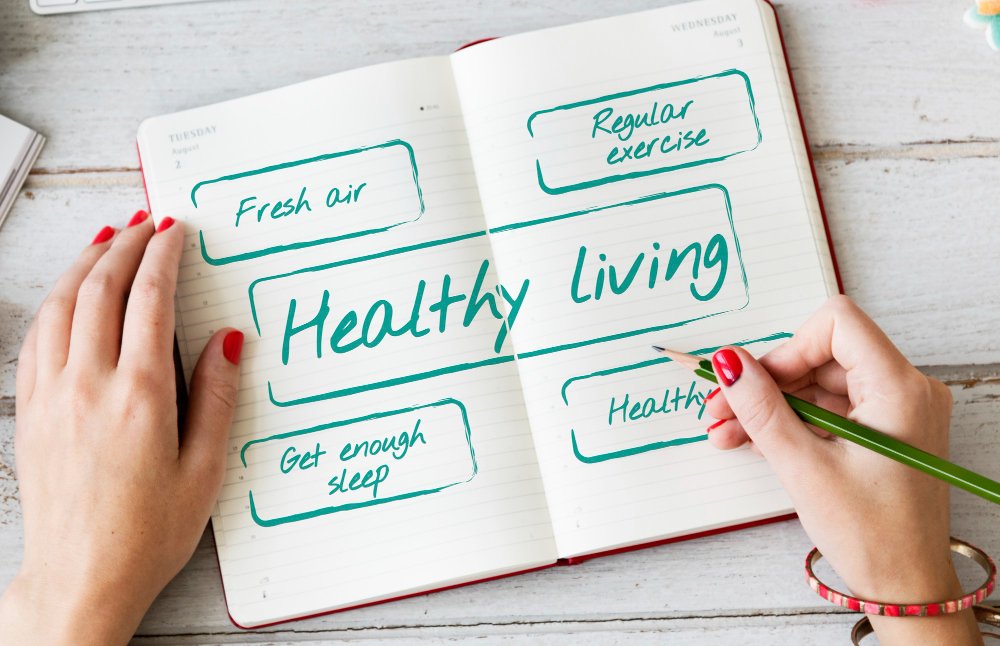
In a world where information is everywhere, one might assume that people are well educated about learn healthy lifestyle skills and how to live a healthy life. Yet the reality is the opposite. Many people grow up without learning the most basic principles of healthy living: how to eat well, manage stress, sleep properly, stay active, and maintain mental well-being.
This gap in education is not just an individual problem, it is a global public health challenge. Chronic diseases linked to lifestyle factors are now among the leading causes of death worldwide. Despite decades of scientific research in nutrition, lifestyle medicine, and behavioral health, these essential concepts are still rarely taught in schools or integrated into everyday education.
Understanding why this gap exists, and how we can fix it, is essential for building a healthier future.
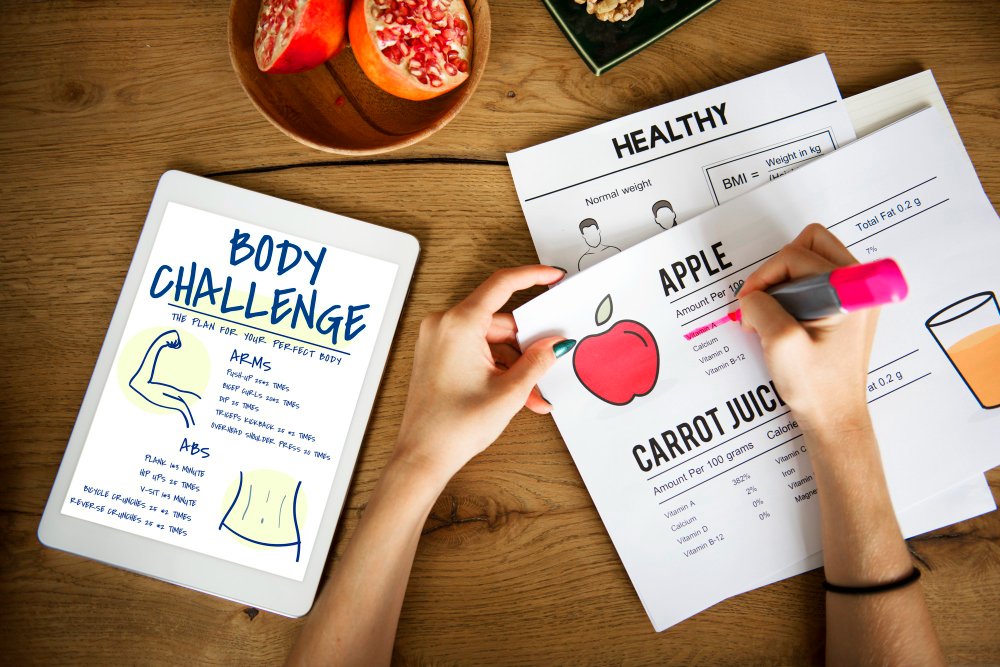
The Missing Curriculum: Healthy Lifestyle Education
In most countries, students spend years learning mathematics, literature, science, and history. While these subjects are important, very little time is dedicated to teaching how to live a healthy life.
Topics such as the following are often missing from formal education:
- Nutrition and healthy eating patterns
- Sleep hygiene and circadian rhythm
- Physical activity and sedentary behavior
- Stress management and emotional resilience
- Social connection and mental well-being
- Prevention of chronic diseases through lifestyle habits
These concepts are collectively known as lifestyle medicine, a scientific field that focuses on preventing and treating diseases through daily habits.
Despite its importance, lifestyle education remains largely absent from school curricula around the world.
Are Healthy Lifestyle Concepts Taught Today?
The short answer: only partially, and inconsistently.
Some schools include health classes or physical education, but these programs often focus on sports rather than teaching lifelong health habits. Many students graduate without understanding:
- How to read nutrition labels
- The long-term effects of sugar and ultra-processed foods
- The importance of sleep for cognitive and metabolic health
- How stress impacts the immune system and mental health
Even in countries with advanced healthcare systems, such as Canada, lifestyle education is not consistently embedded into the school system.
Students may learn about the food pyramid or basic exercise recommendations, but rarely receive practical guidance about building sustainable daily habits.
Young People Starting Life Without Health Knowledge
This lack of education becomes particularly problematic when young people transition into adulthood.
Students entering university or the workforce often experience major lifestyle changes:
- Irregular sleep schedules
- Increased stress
- Poor diet and fast food consumption
- Reduced physical activity
Without foundational knowledge about health, many individuals develop unhealthy habits that can persist for decades.
Research consistently shows that lifestyle patterns established in early adulthood strongly influence long-term health outcomes.
For example:
- Poor diet habits increase the risk of obesity and diabetes
- Chronic stress contributes to anxiety and depression
- Lack of physical activity increases cardiovascular risk
Yet most people must learn these lessons through personal experience rather than structured education.
Global Awareness of Healthy Lifestyle Principles
One might assume that the internet has solved this problem. After all, information about health and nutrition is widely available online.
However, access to information does not equal understanding.
Studies suggest that many people worldwide lack basic knowledge about healthy lifestyle practices. According to global health reports:
- More than 40% of adults worldwide do not meet recommended physical activity levels.
- Poor diets contribute to millions of deaths annually.
- Obesity rates have tripled globally since 1975.
These numbers indicate a clear gap between scientific knowledge and everyday behavior.
Without proper education, individuals may struggle to distinguish evidence-based guidance from misinformation.

How Does Canada Compare?
Canada is often considered a country with strong healthcare systems and health awareness. However, lifestyle-related diseases remain a major concern.
According to Canadian health statistics:
- Approximately one in five Canadian adults lives with a chronic disease.
- Nearly two-thirds of adults are overweight or obese.
- Many Canadians do not meet recommended physical activity levels.
Public health organizations in Canada promote healthy habits through campaigns and guidelines, but education still plays a limited role in early life.
Many Canadians learn about healthy living only after experiencing health problems themselves or after receiving advice from healthcare providers.
This reactive approach, treating disease rather than preventing it, places a heavy burden on healthcare systems.
Why Lifestyle Education Is So Important
Teaching healthy lifestyle skills early in life could dramatically improve global health outcomes.
Evidence from public health research shows that preventive education can reduce the risk of many chronic diseases, including:
- Type 2 diabetes
- Cardiovascular disease
- Certain cancers
- Depression and anxiety
Healthy habits influence nearly every system in the body, from metabolic health to brain function.
For example:
- Regular physical activity improves cardiovascular health and cognitive performance.
- Balanced nutrition supports immune function and longevity.
- Adequate sleep enhances mental clarity and emotional regulation.
In other words, lifestyle habits are not small details, they are the foundation of long-term health.
The Role of Schools and Early Education
One of the most effective ways to close the lifestyle education gap is to introduce health education early in life.
Schools could incorporate practical lessons such as:
- Understanding real food vs ultra-processed food
- Cooking and meal preparation skills
- Stress management and mindfulness techniques
- The science of sleep and circadian rhythms
- Building sustainable exercise habits
These lessons should focus not only on theory but also on real-life application.
For example:
- Teaching students how to plan balanced meals
- Demonstrating simple daily exercise routines
- Practicing breathing techniques for stress management
When students develop these habits early, they are more likely to maintain them throughout adulthood.
The Role of Technology and Digital Platforms
Digital platforms can also play an important role in spreading lifestyle knowledge.
Online tools, mobile applications, and educational content can help people learn about health in accessible and engaging ways.
Platforms focused on evidence-based lifestyle education can bridge the gap between scientific research and everyday life.
These tools may include:
- Educational videos and articles
- Personalized health insights
- Habit tracking and behavioral coaching
- Community discussions and support networks
When used responsibly, digital platforms can help individuals build awareness and make better lifestyle decisions.

Conclusion: A Global Opportunity for Prevention
The lack of lifestyle education is one of the most overlooked problems in modern health systems.
Despite major advances in medical science, millions of people around the world still lack basic knowledge about how to maintain their health.
The solution is not simply more treatment, it is better education and prevention.
Governments, schools, healthcare systems, and digital platforms all have a role to play in improving health literacy.
By teaching lifestyle skills early in life and making reliable health information accessible to everyone, we can reduce the burden of chronic disease and improve quality of life for future generations.
Healthy living should not be something people discover after illness.
It should be a core life skill that everyone learns from the beginning.
FAQ
1. Why is healthy lifestyle education important?
Healthy lifestyle education helps individuals understand how daily habits such as diet, sleep, exercise, and stress management influence long-term health and disease prevention.
2. Are healthy lifestyle habits taught in schools?
In most countries, lifestyle education is limited. Schools may teach basic health topics, but comprehensive education about nutrition, sleep, and mental well-being is often missing.
3. How many people understand healthy lifestyle principles?
Many people have limited knowledge about healthy lifestyle practices. Global health statistics show that large portions of the population do not meet recommended activity, diet, or sleep guidelines.
4. What is the situation in Canada regarding lifestyle education?
Canada promotes healthy living through public health programs, but many people still lack practical education about lifestyle habits early in life.
5. What can be done to improve lifestyle education worldwide?
Solutions include integrating lifestyle medicine into school curricula, increasing public health awareness, and using digital platforms to share evidence-based health knowledge.
Leave a Reply