
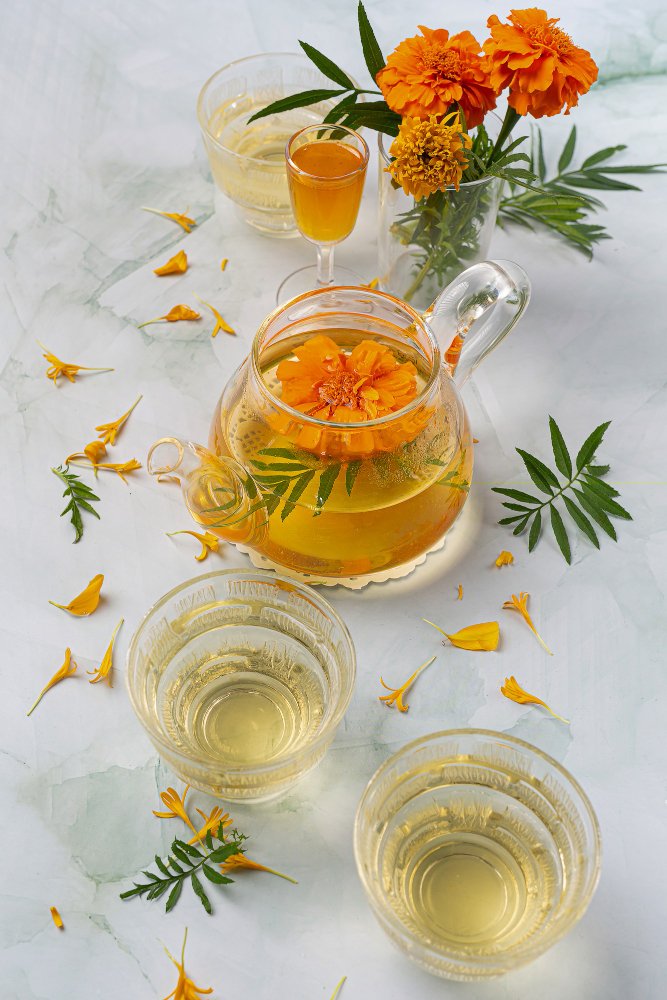
Herbal drinks, often called herbal teas or tisanes, are beverages made by steeping plants like flowers, leaves, roots, seeds, or bark in hot water. People drink them for comfort, digestion, sleep, and as a “natural” wellness habit. And for many people, mild herbal drinks can be a pleasant, low-risk addition to daily routines.
But “natural” does not automatically mean “risk-free.” Some herbs can interact with medications, affect blood pressure, increase bleeding risk, or cause allergic reactions, especially when consumed in concentrated forms or large amounts. This guide explains the advantages and disadvantages of herbal drinks, who should be cautious, and how to choose them wisely.
What are herbal drinks, exactly?
Herbal drinks are not the same as green/black tea. Traditional tea comes from Camellia sinensis and naturally contains caffeine. Herbal drinks usually contain no tea leaves and are often caffeine-free, though some blends may include caffeine or stimulant herbs.
In Canada, many herbs are also sold as Natural Health Products (NHPs) (capsules, tinctures, extracts). NHPs are regulated under the Natural Health Products Regulations with rules aimed at safety, quality, and efficacy.
Plain herbal teas sold as foods are regulated differently than concentrated NHP extracts, this matters because concentration changes risk.
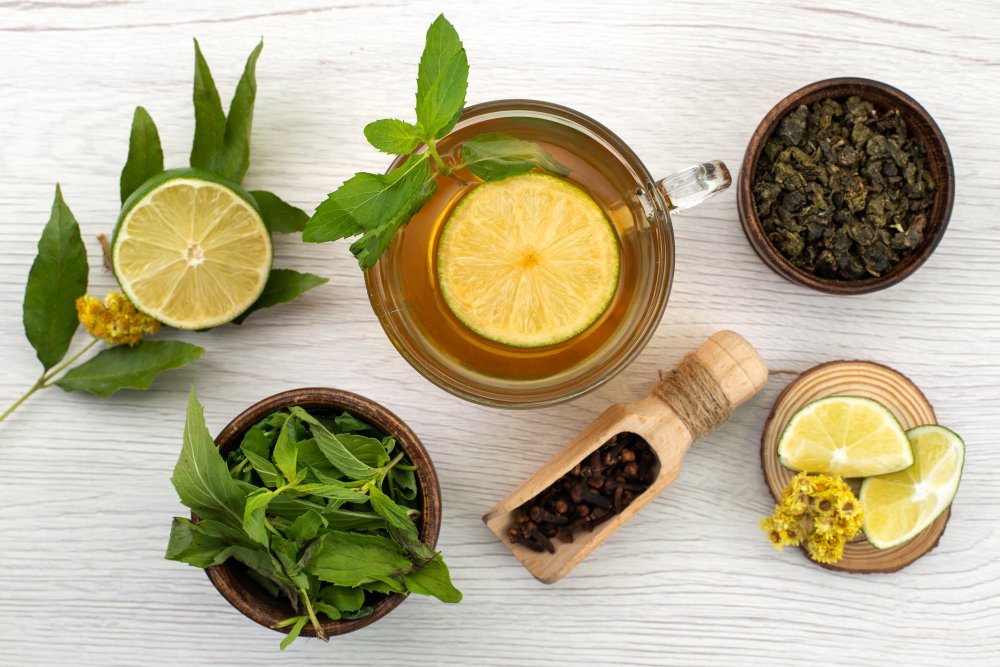
Advantages of herbal drinks
1) A calming ritual that supports healthier routines
For many people, the biggest benefit is behavioral: swapping a late-night snack, alcohol, or extra coffee for a warm, soothing drink. That can support hydration and evening wind-down.
2) Digestive comfort (for some herbs)
Herbs like peppermint or ginger are commonly used for digestive comfort. Evidence varies by herb and condition, but many people find these drinks helpful as a gentle, food-based option.
3) Stress and relaxation support (mild effects)
Chamomile, for example, is widely used for relaxation. The U.S. National Center for Complementary and Integrative Health notes chamomile is likely safe in amounts commonly found in teas, and side effects are uncommon. Some observational and small studies suggest potential benefits, but outcomes differ person-to-person.
4) A “low stimulation” alternative to caffeine
If you’re trying to reduce coffee intake or manage afternoon jitters, many herbal drinks are naturally caffeine-free, which can support steadier energy and better sleep hygiene.
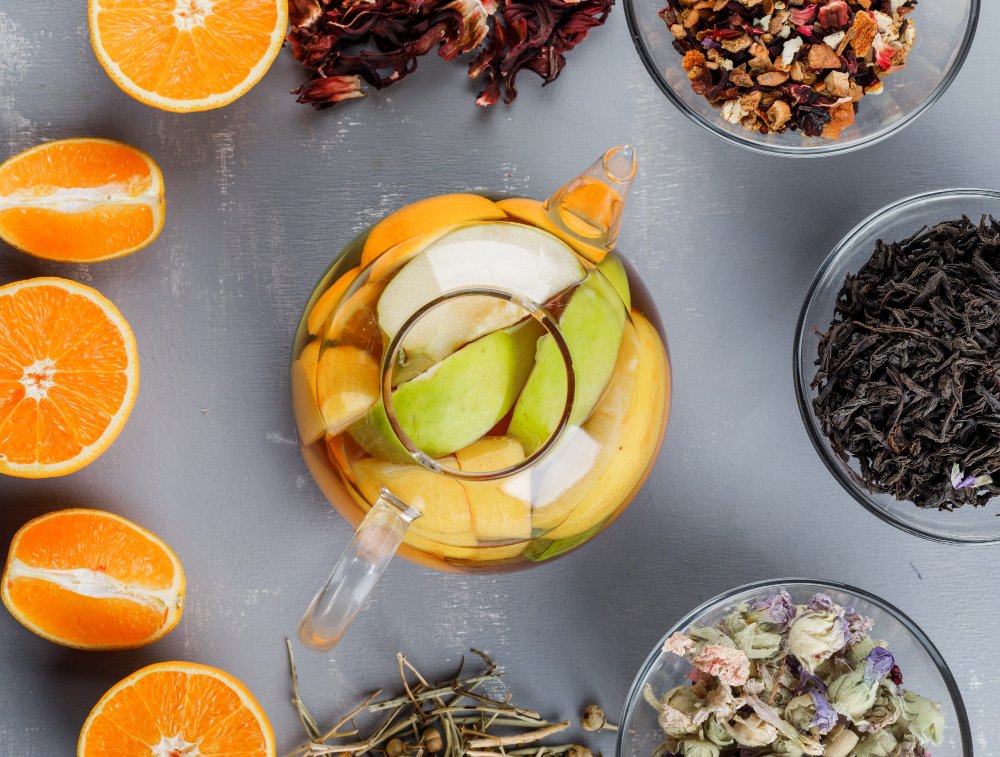
Disadvantages and risks of herbal drinks
1) Herb–drug interactions are real
One of the biggest hidden risks is interaction with medications. NCCIH warns that herbal products can cause drug interactions and other safety issues, including contamination in some supplement products.
Mayo Clinic also highlights that herbal supplements can interact with medicines, especially cardiovascular drugs, and some interactions can be risky.
Practical examples (common caution scenarios):
1)Blood thinners / anticoagulants: certain herbs may increase bleeding risk.
2)Blood pressure medications: some herbs can raise or lower blood pressure.
3)Sedatives: calming herbs may add to drowsiness
.If you take prescription meds, treat herbal drinks like “active ingredients,” not just flavored water.
2) Some herbs can raise blood pressure (licorice is a classic example)
Licorice root tea can increase blood pressure and cause electrolyte issues when consumed excessively. Clinical reports and reviews document hypertension and related complications from heavy licorice intake. Bottom line: licorice is not a “daily tea” for everyone, especially if you have hypertension, kidney issues, or heart concerns.
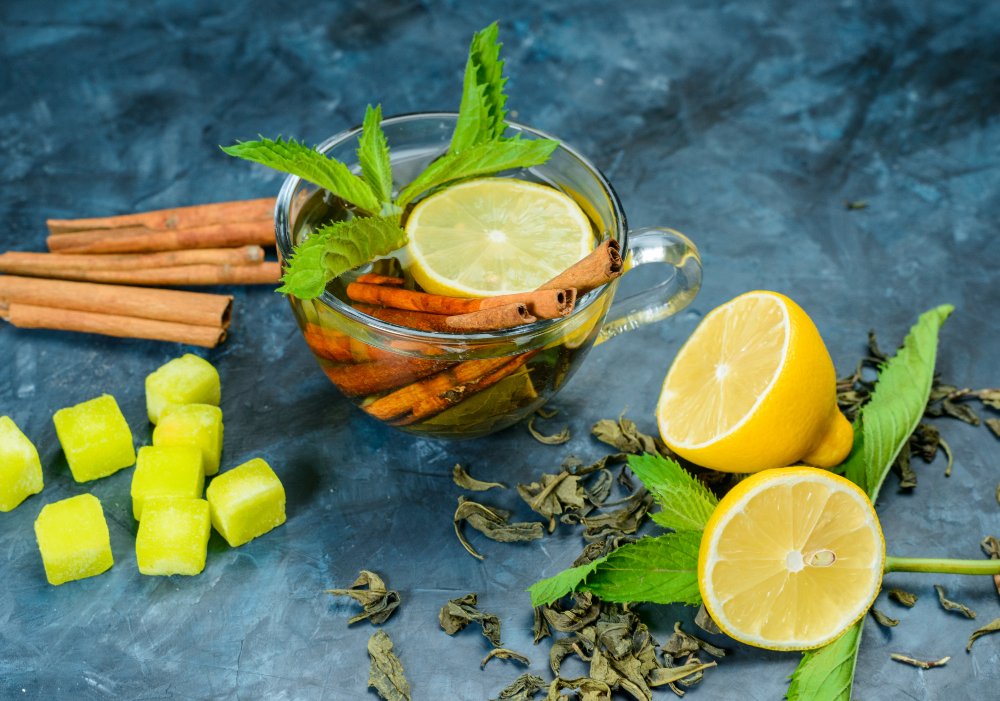
3) Allergies and sensitivities
Even “gentle” herbs can cause allergic reactions. Chamomile may trigger reactions in people sensitive to the same plant family as ragweed, and it may increase bleeding risk when combined with blood thinners, per Mayo Clinic’s discussion of herbal remedies.
4) Pregnancy, breastfeeding, and childhood require extra caution
Many herbs have limited safety data for pregnancy, breastfeeding, or children. This doesn’t mean “never,” but it does mean don’t assume. When in doubt, check with a clinician or pharmacist, especially for concentrated products.
5) “More” is not better: dose matters
A cup of mild tea is very different from:
- multiple strong cups daily,
- highly concentrated “detox” blends,
- extracts/tinctures,
- combining many herbs together.
Higher doses increase the chance of side effects (nausea, dizziness, palpitations, sleep disruption) and interactions.
6) Surgery and bleeding risk considerations
Many clinicians advise stopping certain herbal products before surgery because of bleeding, sedation, or blood pressure effects (the exact timing depends on the herb and situation). If you’re preparing for a procedure, tell your surgical team what you drink regularly.
Who should be extra careful with herbal drinks?
Consider extra caution (and ask a professional) if you:
- Take blood thinners, heart meds, diabetes meds, antidepressants, or sedatives
- Have high blood pressure, heart rhythm issues, kidney disease, or liver disease
- Are pregnant or breastfeedingAre planning surgery
- Have a history of strong allergies (especially to ragweed-related plants)
This is not about fear, it’s about avoiding avoidable problems.
How to choose herbal drinks safely (simple checklist)
- Start simple (one herb at a time) If you’re testing what helps your sleep or digestion, try single-ingredient teas first.
- Avoid “proprietary detox” blends These can contain laxative-type herbs or stimulants and may be harsher than expected.
- Use moderation as the default If you’re drinking several cups daily, take periodic breaks and notice changes in sleep, blood pressure, digestion, or anxiety.
- If it’s an NHP product, look for Canadian licensing info In Canada, NHPs are regulated under a distinct framework. Knowing whether something is a food tea vs. an NHP supplement helps you judge potency and risk.
- If you’re on medication, ask a pharmacist This is often the fastest way to screen for interactions.
FAQ
Are herbal drinks always caffeine-free?
Often, yes, but not always. Some blends include caffeine (yerba mate, guarana, or added tea leaves). Check labels.
Is chamomile safe every day?
Chamomile is generally considered likely safe in amounts found in teas for most adults, but allergies and medication interactions (like blood thinners) can matter.
What’s the “most risky” common herbal tea?
It depends on your health status, but licorice is a frequent concern because it can raise blood pressure and affect electrolytes, especially in large amounts.
Can herbal drinks replace medical treatment?
No. They may support comfort or routine, but they shouldn’t replace prescribed care, especially for blood pressure, mood disorders, or chronic conditions.
Medical note: This article is for education only and is not medical advice. If you have symptoms such as chest pain, fainting, severe allergic reactions, or dangerously high blood pressure, seek urgent medical care.
Leave a Reply