
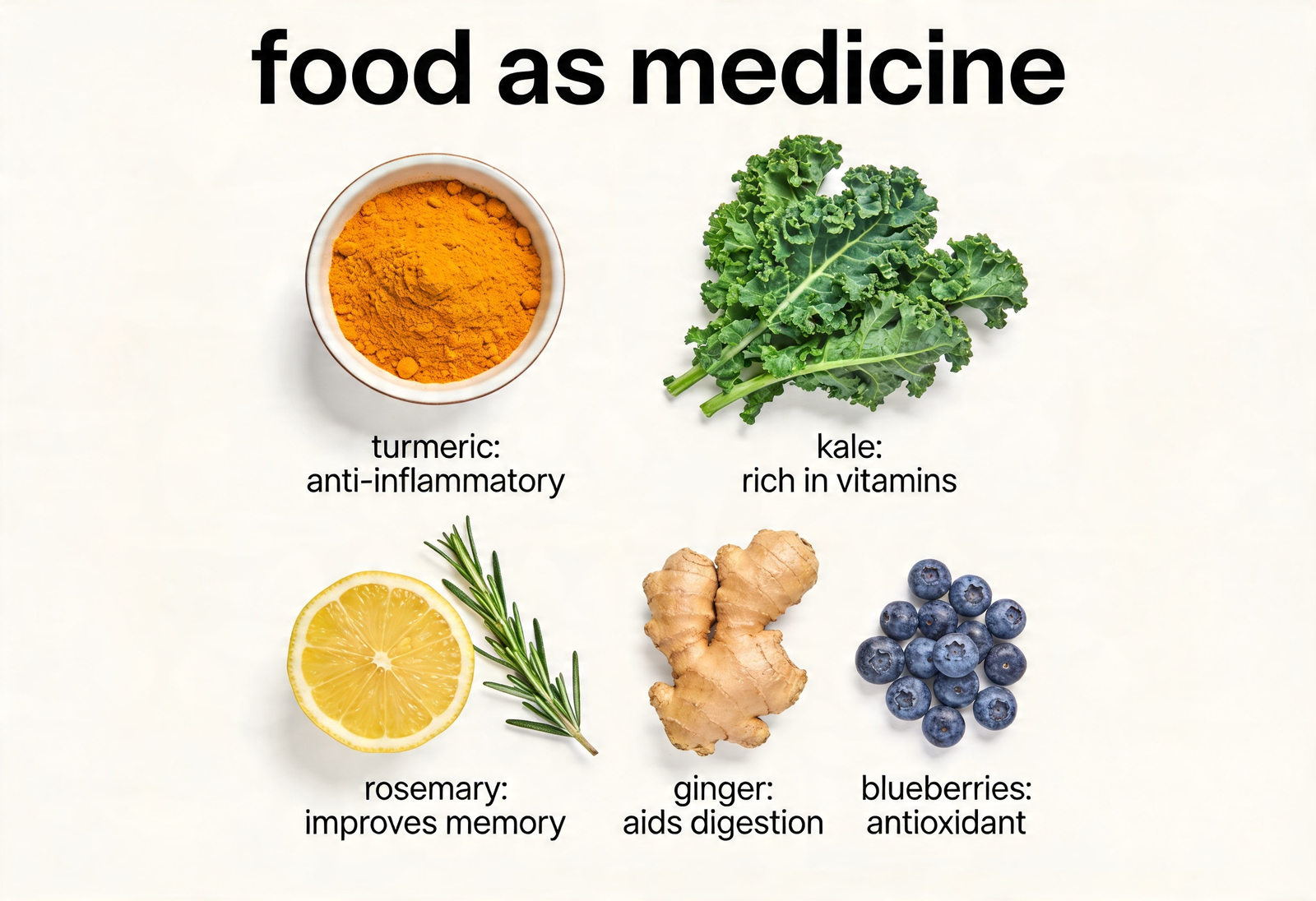
Cancer is one of the leading causes of death worldwide, but research shows that a significant proportion of cases are preventable through lifestyle choices, especially diet. The concept of “food as medicine” highlights how everyday nutrition can influence biological processes linked to cancer development.
While no single food can guarantee prevention, a consistent pattern of healthy eating can reduce cancer risk, support immune function, and improve overall health. In this article, we explore how nutrition plays a role in cancer risk reduction and how to apply these principles in daily life.
Can Diet Really Influence Cancer Risk?
Yes, scientific evidence strongly supports the role of diet in cancer prevention.
Organizations such as the World Health Organization and the World Cancer Research Fund estimate that 30–50% of cancers may be preventable, with diet being a major contributing factor.
Diet affects cancer risk through several mechanisms:
- Inflammation: Chronic inflammation can promote tumor development
- Oxidative stress: Free radicals can damage DNA
- Hormonal balance: Diet influences insulin and hormone levels
- Gut health: The microbiome plays a key role in immune regulation
This means that what you eat daily can either protect your cells, or increase risk over time.
What Does “Food as Medicine” Mean?
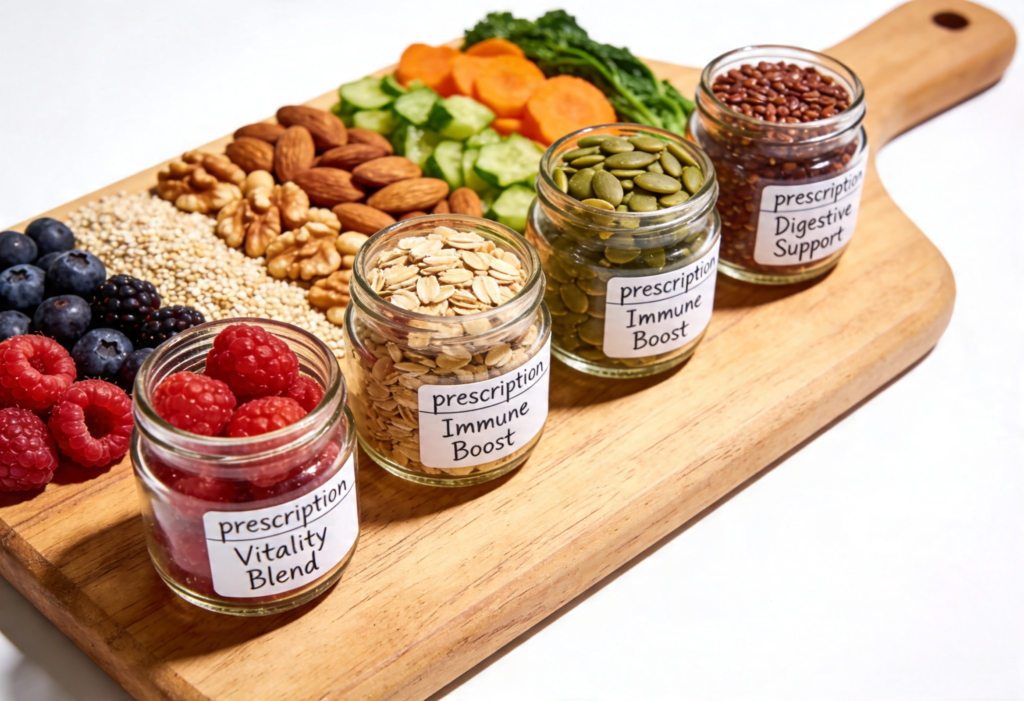
“Food as medicine” is the idea that nutrition is not just about calories, it is about biologically active compounds that influence health at a cellular level.
Foods contain:
- Antioxidants that neutralize harmful free radicals
- Phytochemicals that protect against DNA damage
- Fiber that supports gut health and detoxification
- Healthy fats that reduce inflammation
When consumed consistently, these nutrients can help create an internal environment that is less favorable for cancer development.
Key Dietary Principles for Cancer Risk Reduction
1. Eat More Plant-Based Foods
A diet rich in plant foods is one of the strongest protective factors against cancer.
Focus on:
- Vegetables (especially leafy greens, cruciferous vegetables like broccoli and kale)
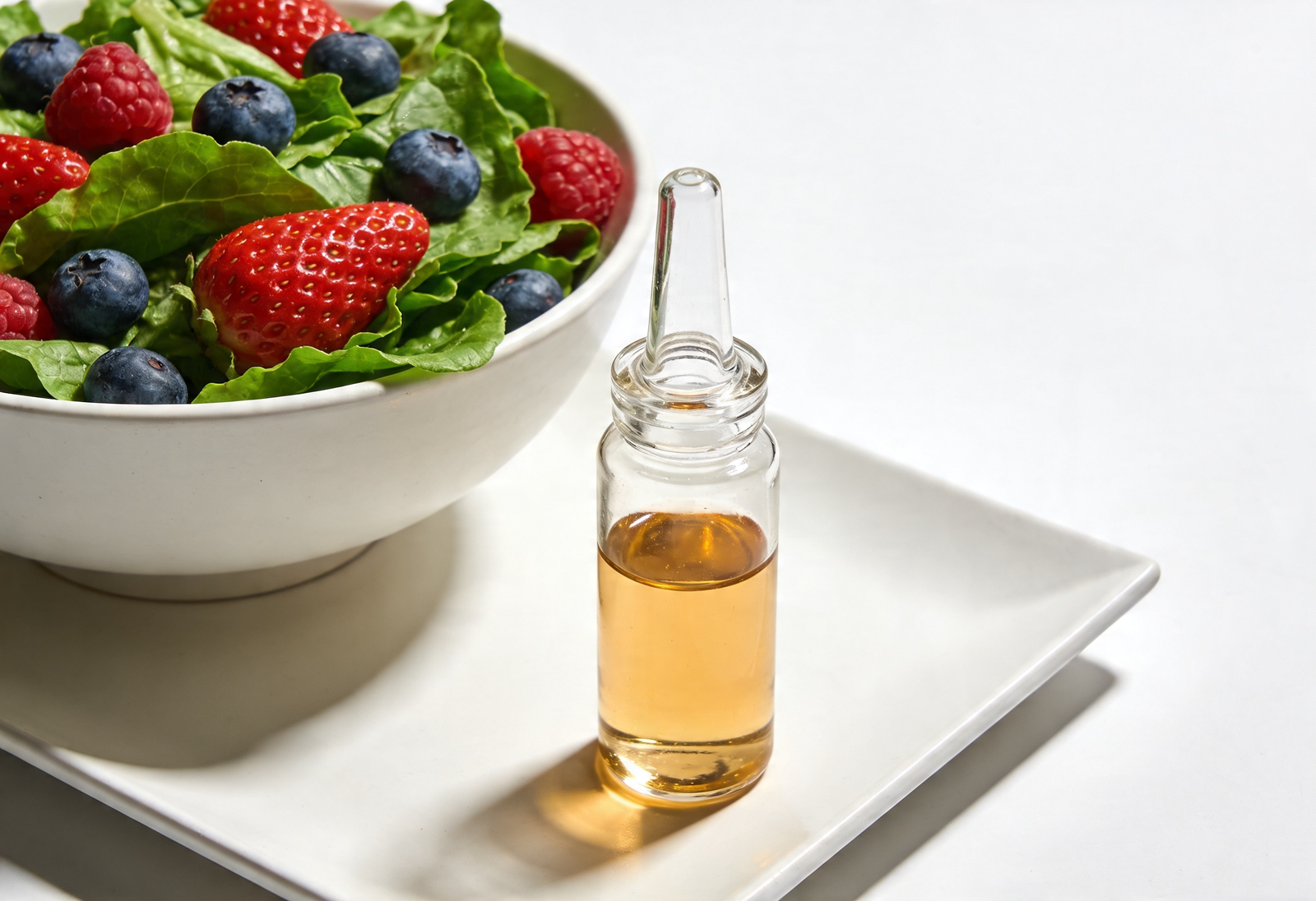
- Fruits (berries, citrus, apples)
- Whole grains
- Legumes (beans, lentils)
These foods are high in fiber and phytochemicals that support cellular protection and immune function.
2. Increase Fiber Intake
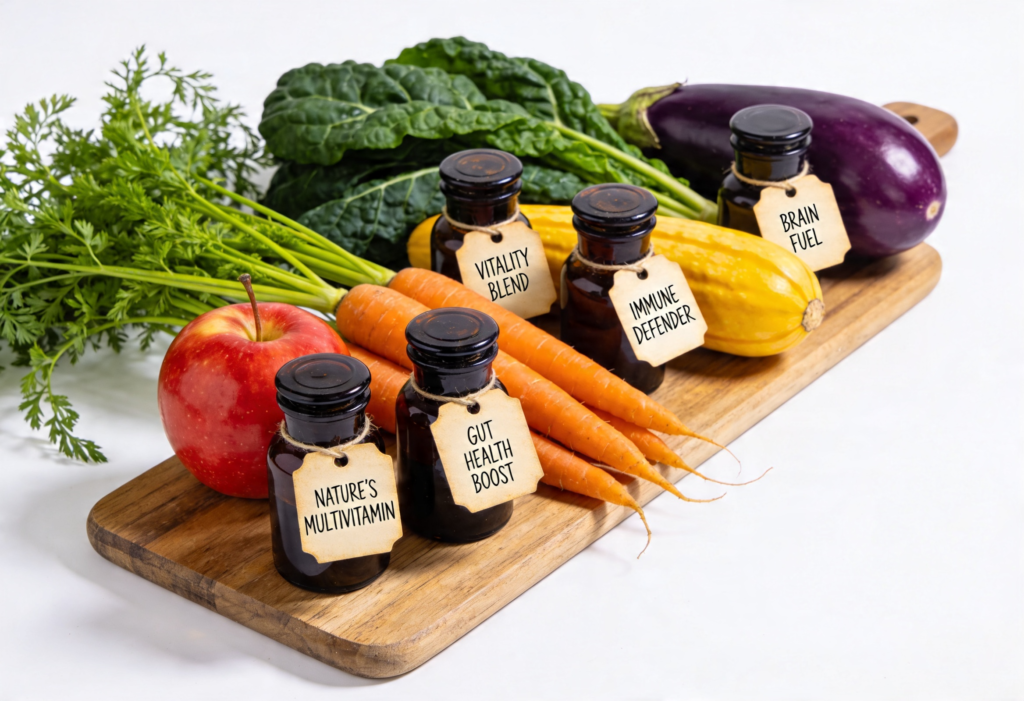
Fiber plays a critical role in reducing the risk of certain cancers, particularly colorectal cancer.
Benefits of fiber:
- Improves gut health
- Supports beneficial bacteria
- Helps regulate blood sugar and insulin
High-fiber foods include:
- Whole grains
- Vegetables
- Fruits
- Legumes
3. Limit Ultra-Processed Foods
Ultra-processed foods are often high in sugar, unhealthy fats, and additives.
Frequent consumption is associated with:
- Increased inflammation
- Weight gain and obesity
- Higher cancer risk
Examples to limit:
- Sugary snacks and beverages
- Processed meats
- Fast food and packaged meals
4. Choose Healthy Fats
Not all fats are harmful. In fact, certain fats have protective effects.
Healthy fat sources:
- Olive oil
- Nuts and seeds
- Fatty fish (rich in omega-3 fatty acids)
These fats help reduce inflammation, which is a key factor in cancer development.

5. Reduce Red and Processed Meat
High consumption of processed meats (like sausages and bacon) has been linked to increased cancer risk, particularly colorectal cancer.
Recommendations:
- Limit processed meats
- Reduce red meat intake
- Replace with plant proteins or lean sources like fish and poultry
6. Maintain a Healthy Weight
Excess body weight is a major risk factor for several types of cancer.
Nutrition plays a central role in:
- Weight management
- Hormonal balance
- Reducing inflammation
A balanced, whole-food diet supports long-term weight control and overall metabolic health.
7. Stay Hydrated and Limit Sugary Drinks
Sugary beverages contribute to weight gain and metabolic dysfunction.
Instead:
- Drink water as your primary beverage
- Limit soft drinks and high-sugar juices
Hydration supports overall body function, including detoxification processes.
The Role of Antioxidants and Phytochemicals
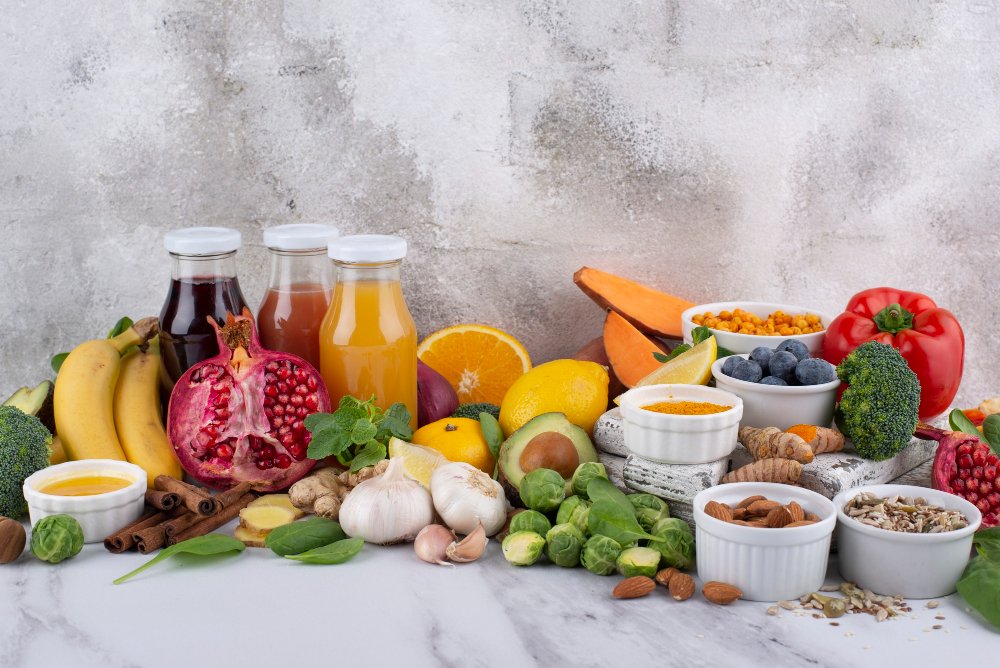
Many plant-based foods contain powerful compounds that help protect cells.
Examples include:
- Flavonoids (found in berries, tea)
- Carotenoids (found in carrots, sweet potatoes)
- Sulforaphane (found in broccoli and cruciferous vegetables)
These compounds help:
- Reduce oxidative stress
- Protect DNA from damage
- Support immune defense
Lifestyle Factors Beyond Food
While nutrition is essential, cancer risk reduction requires a broader lifestyle approach:
- Physical activity: Helps regulate hormones and immune function
- Sleep: Supports cellular repair
- Stress management: Chronic stress can weaken the immune system
- Avoiding tobacco and limiting alcohol: Major risk factors for cancer
Combining these factors creates a holistic prevention strategy.
Common Myths About Food and Cancer
“Superfoods can prevent cancer”
No single food can prevent cancer. It’s the overall dietary pattern that matters.
“Supplements are enough”
Whole foods provide a complex mix of nutrients that supplements cannot fully replicate.
“Healthy eating is too complicated”
In reality, the core principles are simple: eat more whole, plant-based foods and reduce processed options.
Practical Steps to Apply Food as Medicine
To start using food as medicine:
- Add one extra serving of vegetables to each meal
- Replace refined grains with whole grains
- Cook more meals at home
- Choose water over sugary drinks
- Gradually reduce processed foods
These small changes can lead to significant long-term benefits.
Conclusion: Small Choices, Big Impact
Cancer prevention is not about perfection, it is about consistent, informed choices over time.
Food is one of the most powerful tools we have to influence our health. By adopting a diet rich in whole, plant-based foods and minimizing processed options, individuals can significantly reduce their cancer risk.
While not all cancers are preventable, many are influenced by lifestyle. The goal is not to eliminate risk entirely, but to create a body environment that supports resilience and protection.
In the end, food is more than nourishment, it is a daily opportunity to invest in long-term health.
FAQ
Can diet really reduce cancer risk?
Yes, research suggests that up to 30–50% of cancers may be preventable through lifestyle changes, including diet.
What foods help reduce cancer risk?
Fruits, vegetables, whole grains, legumes, nuts, and healthy fats are associated with lower cancer risk.
Are processed foods linked to cancer?
High consumption of processed foods, especially processed meats, is associated with increased cancer risk.
Do antioxidants prevent cancer?
Antioxidants help protect cells from damage, but they work best when consumed through whole foods rather than supplements.
Is there a single best diet for cancer prevention?
No single diet fits everyone, but a plant-rich, whole-food-based diet is widely recommended for reducing cancer risk.
Leave a Reply