
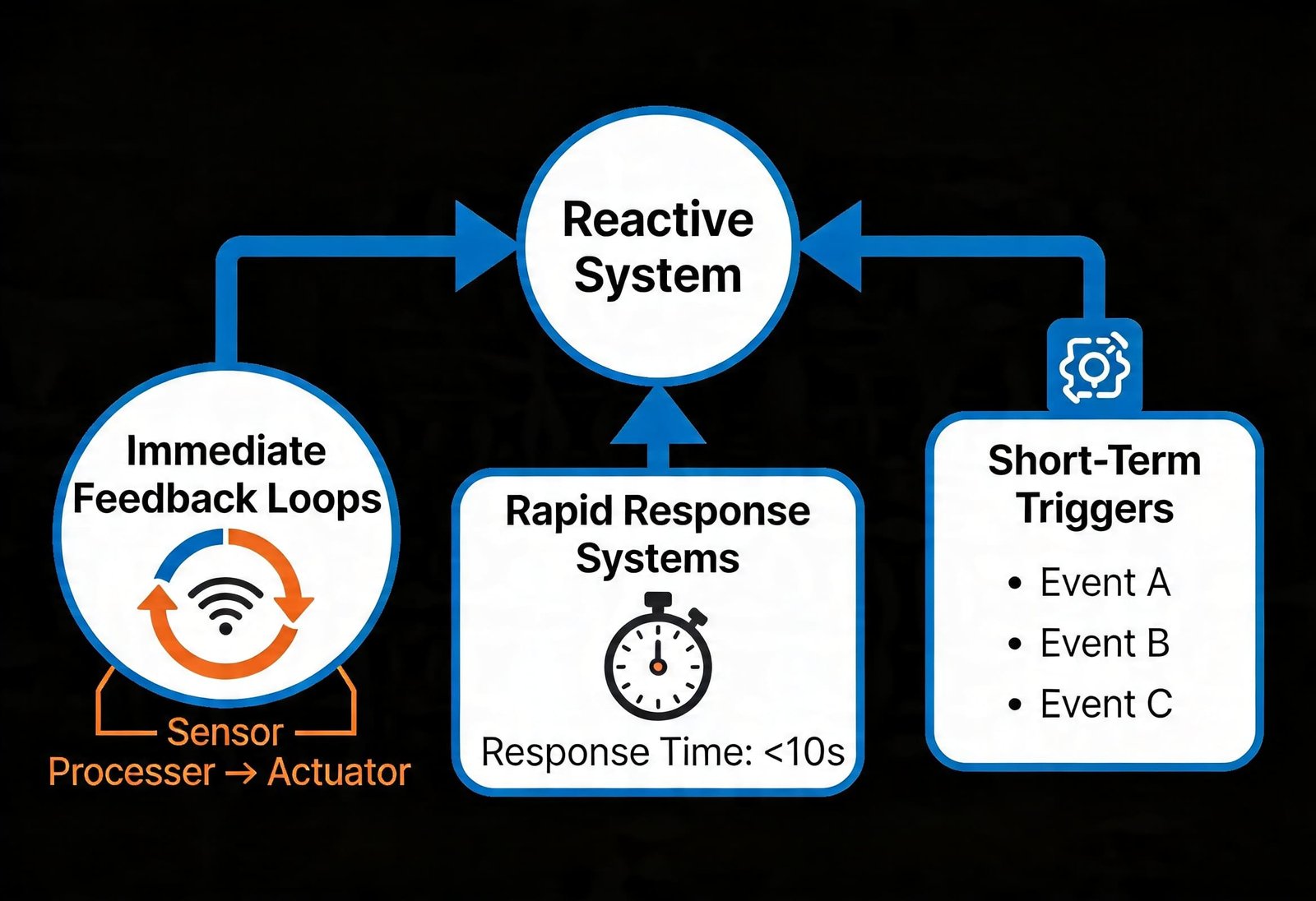
Why do some people seem to take control of their lives, while others feel constantly overwhelmed by circumstances? The answer often lies in one key difference: reactive and proactive people
Understanding this distinction is not just a matter of personal development, it has powerful implications for mental health, productivity, habit formation, and long-term success.
In this article, we explore what it means to be reactive or proactive, how each mindset affects your life, and how you can shift toward a more proactive approach.
What Is a Reactive Person?
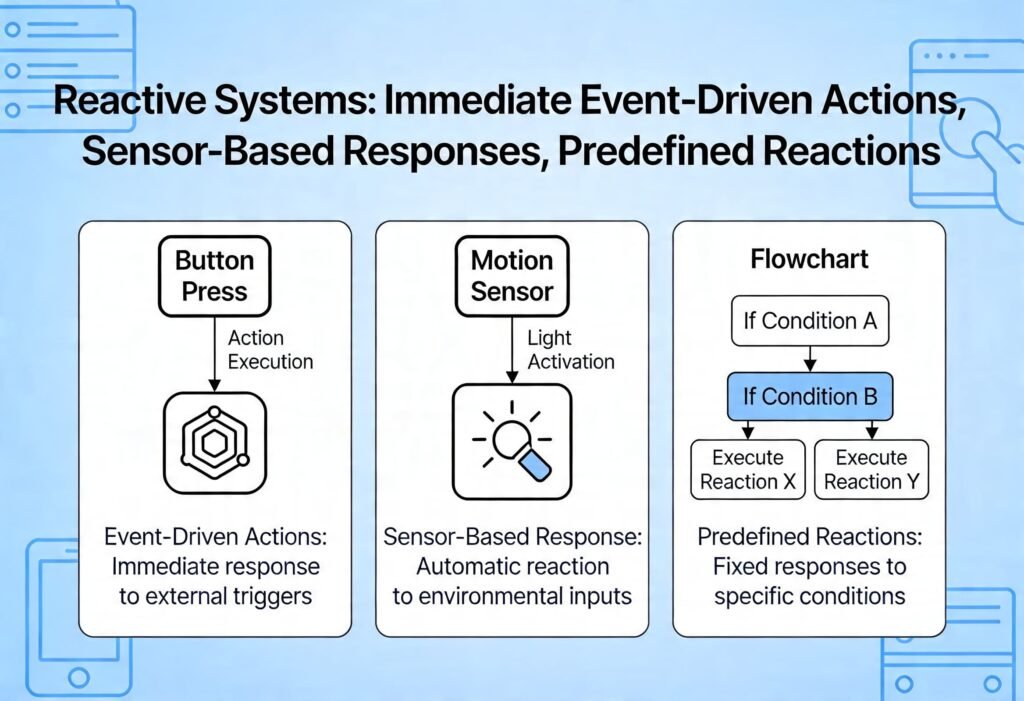
A reactive person tends to respond to situations after they happen, often driven by emotions, stress, or external pressures.
Common characteristics of reactive individuals include:
- Acting based on immediate feelings (anger, fear, frustration)
- Waiting for problems before taking action
- Feeling controlled by circumstances or other people
- Difficulty maintaining consistent habits
- Frequently saying, “I don’t have time” or “I’ll deal with it later”
Reactive behavior is often linked to short-term thinking, where the focus is on immediate responses rather than long-term outcomes.
What Is a Proactive Person?
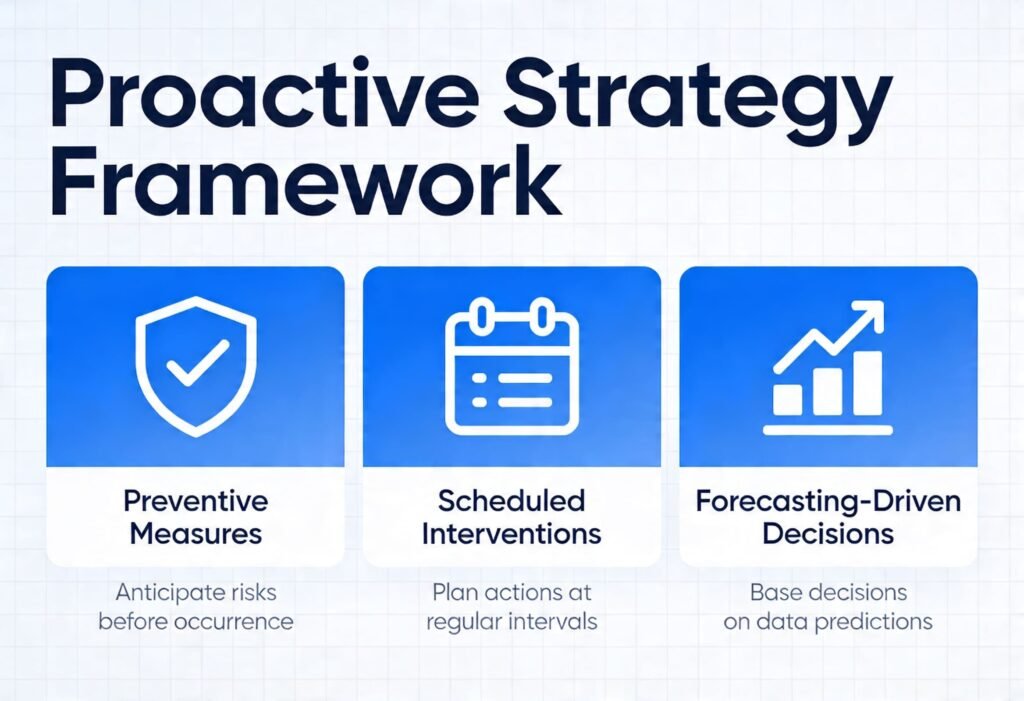
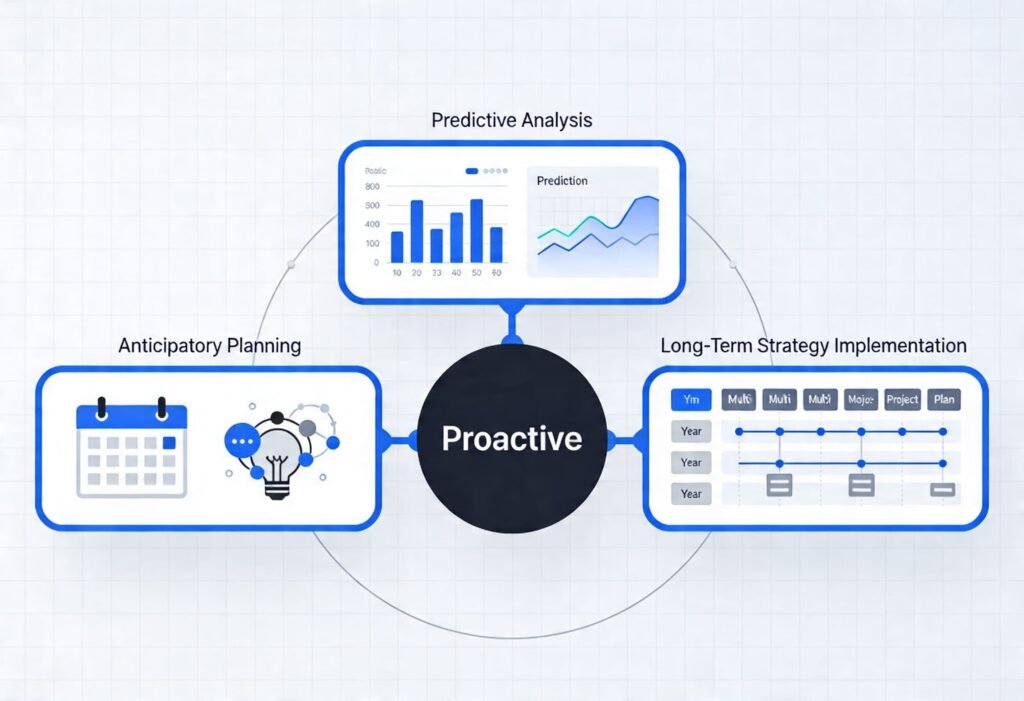
A proactive person, on the other hand, takes initiative and responsibility for their actions and decisions.
Key traits include:
- Planning ahead and anticipating challenges
- Making decisions based on values, not emotions
- Taking responsibility for outcomes
- Building consistent routines and habits
- Focusing on what they can control
Proactive individuals are not free from challenges, but they approach them with intention and strategy rather than reaction.
Reactive vs Proactive: Key Differences
| Reactive Mindset | Proactive Mindset |
| Responds after problems arise | Anticipates and prevents problems |
| Emotion-driven decisions | Value-driven decisions |
| Short-term focus | Long-term thinking |
| Blames external factors | Takes ownership |
| Inconsistent habits | Structured routines |
The Impact on Mental Health
Reactive Behavior and Mental Health
Being reactive can negatively affect mental health over time.
Common effects include:
- Increased stress and anxiety: Constantly responding to problems creates a sense of overwhelm
- Emotional instability: Frequent emotional reactions can lead to mood swings
- Burnout: Living in “crisis mode” drains energy
- Low sense of control: Feeling powerless can contribute to depression
Reactive individuals often feel like life is happening to them, rather than something they can influence.
Proactive Behavior and Mental Well-Being
Proactive individuals tend to experience better mental health outcomes.
Benefits include:
- Reduced stress: Planning and preparation reduce uncertainty
- Greater emotional control: Decisions are less driven by impulses
- Higher confidence: Taking action builds self-efficacy
- Improved resilience: Challenges are seen as manageable
This sense of control is strongly linked to psychological well-being.
The Role in Habit Building
Why Reactive People Struggle with Habits
Habits require consistency, but reactive individuals often:
- Skip routines when life gets busy
- Act based on mood rather than plan
- Focus on urgent tasks instead of important ones
As a result, habits become irregular and unsustainable.
Why Proactive People Build Strong Habits
Proactive individuals design systems that support their goals.
They:
- Schedule habits into their day
- Prepare in advance (meal prep, workout planning)
- Track progress and adjust strategies
- Stay consistent even when motivation is low
This approach aligns with behavioral science, which shows that habits are built through structure and repetition, not motivation alone.

Effectiveness and Long-Term Success
Reactive Approach
Reactive individuals often:
- Spend time solving avoidable problems
- Miss opportunities due to lack of preparation
- Experience inconsistent performance
This can lead to frustration and slower progress toward goals.
Proactive Approach
Proactive individuals:
- Focus on prevention rather than correction
- Use time more efficiently
- Align daily actions with long-term goals
This leads to higher productivity and better outcomes over time.
Are There Any Advantages to Being Reactive?
While proactivity is generally more beneficial, reactive behavior is not entirely negative.
In some situations, being reactive can be useful:
- Quick decision-making in emergencies
- Adaptability in unpredictable situations
- Emotional responsiveness in relationships
However, when reactivity becomes the dominant pattern, it can lead to chronic stress and inefficiency.

How to Become More Proactive
Shifting from reactive to proactive behavior is a gradual process. Here are practical steps to get started:
1. Increase Self-Awareness
Notice your patterns:
- When do you react emotionally?
- What situations trigger stress or impulsive behavior?
Awareness is the first step toward change.
2. Focus on What You Can Control
Instead of worrying about external factors, ask:
“What can I do right now to improve this situation?”
This simple shift builds a proactive mindset.
3. Plan Ahead
Create simple plans for your day or week:
- Schedule important tasks
- Prepare for potential challenges
- Set realistic goals
Planning reduces the need for reactive decisions.
4. Build Small, Consistent Habits
Start with manageable actions:
- 10 minutes of exercise daily
- Preparing meals in advance
- Setting a fixed sleep schedule
Consistency transforms behavior over time.
5. Manage Emotions Effectively
Practice techniques such as:
- Deep breathing
- Mindfulness
- Pausing before responding
This helps you respond thoughtfully rather than react impulsively.
6. Learn from Mistakes
Instead of blaming circumstances, ask:
“What could I do differently next time?”
This mindset encourages growth and continuous improvement.

Real-Life Example
Imagine two people facing the same situation: a busy work schedule.
Reactive person:
- Skips meals or eats fast food
- Stops exercising
- Feels stressed and overwhelmed
Proactive person:
- Plans meals in advance
- Schedules short workouts
- Sets boundaries and priorities
Over time, these small differences lead to major differences in health, productivity, and well-being.
The Connection to Lifestyle and Health
Your mindset influences your daily habits, and your habits shape your health.
A proactive approach supports:
- Better nutrition
- Regular physical activity
- Consistent sleep
- Stress management
These are the pillars of lifestyle medicine, emphasizing prevention and long-term well-being.
Conclusion: Choose Your Approach
The difference between reactive and proactive people is not about personality, it’s about choices and habits.
Reactive behavior may feel easier in the moment, but it often leads to stress, inconsistency, and missed opportunities.
Proactive behavior requires effort and awareness, but it creates:
- Better mental health
- Stronger habits
- Greater effectiveness
- Long-term success
The good news is that proactivity is a skill, and like any skill, it can be developed.
Start small, stay consistent, and gradually take control of your actions.
Because in the end, the quality of your life is not defined by what happens to you, but by how you respond to it.
FAQ
1. What is the difference between reactive and proactive people?
Reactive people respond to situations after they occur, often emotionally. Proactive people plan ahead and take control of their actions.
2. Is being proactive better for mental health?
Yes, proactive behavior is linked to lower stress, better emotional control, and improved overall well-being.
3. Can a reactive person become proactive?
Yes, with self-awareness, planning, and habit-building strategies, anyone can develop a more proactive mindset.
4. Why do reactive people struggle with habits?
Because they rely on mood and circumstances rather than structured routines, leading to inconsistency.
5. Is being reactive always bad?
Not always. Reactivity can be helpful in emergencies or unpredictable situations, but over-reliance can lead to stress and inefficiency.
Leave a Reply