
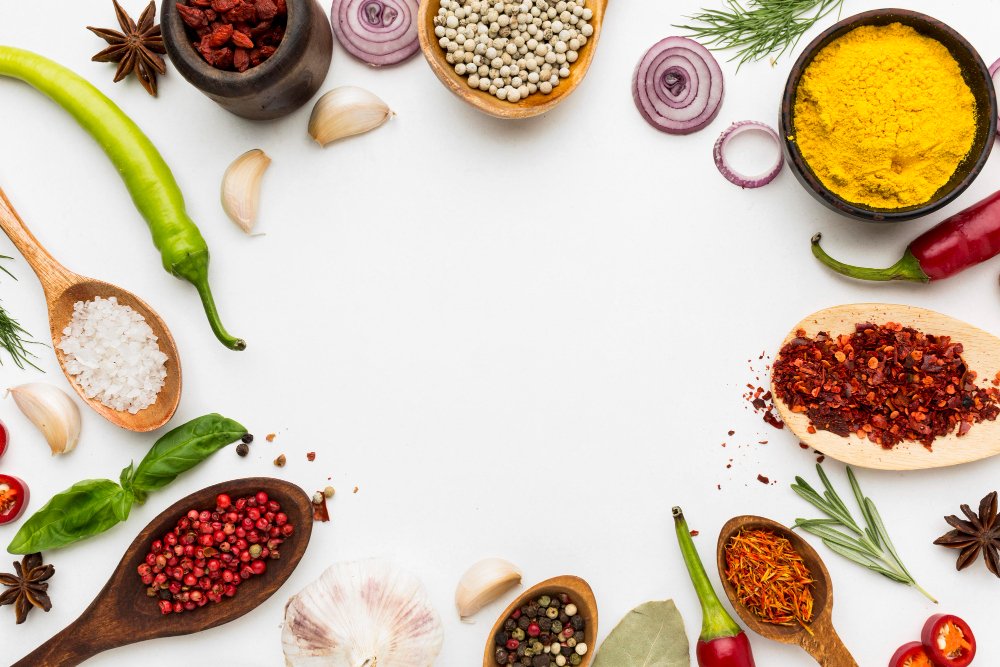
Spices have shaped human history, global trade, and culinary traditions for thousands of years. Beyond their ability to enhance flavor and aroma, spices also offer powerful health benefits supported by both traditional medicine systems and modern scientific research.
From ancient healing practices to contemporary nutrition science, spices are increasingly recognized as a natural way to support immunity, digestion, metabolism, and overall well-being.
In this article, we explore the history of spices, where they come from, the different types, and how they contribute to our health.
Understanding the significance of Spices and Their Role in Our Health is crucial for anyone looking to improve their dietary habits.
Spices and Their Role in Our Health
Spices have been used for over 4,000 years across civilizations such as ancient India, China, Egypt, and the Middle East.
Historically, spices were highly valuable, sometimes even more precious than gold. They were used not only for cooking but also for:
- Medicinal purposes
- Preservation of food
- Religious rituals and ceremonies
The famous Spice Trade Routes connected Asia, Africa, and Europe, shaping global economies and cultural exchanges.
Systems like Ayurveda (India) and Traditional Chinese Medicine (TCM) have long used spices as part of healing practices, emphasizing their role in balancing the body.
Where Do Spices Come From?
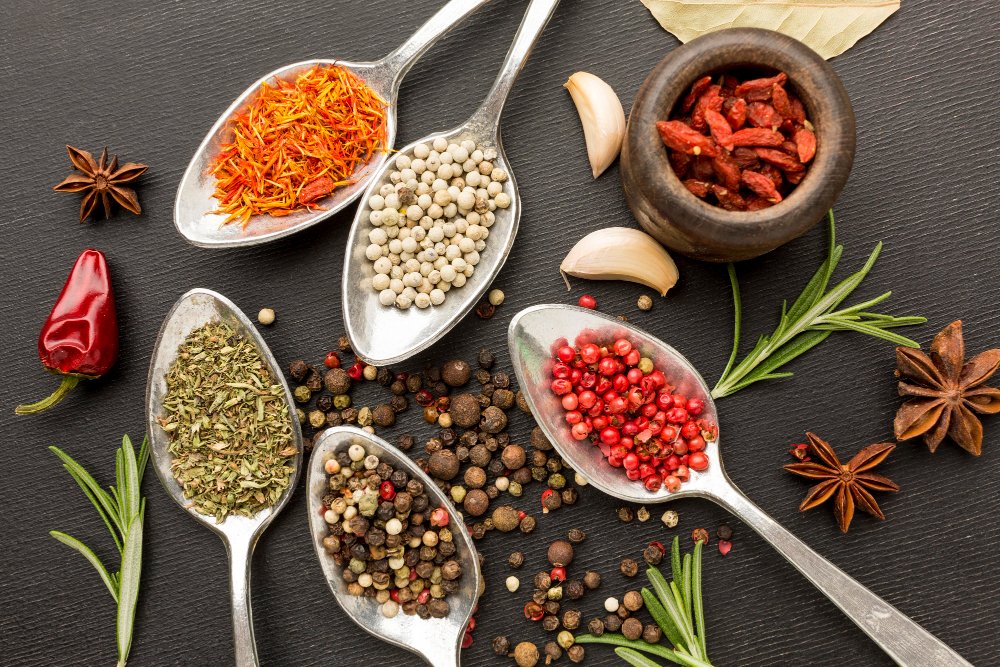
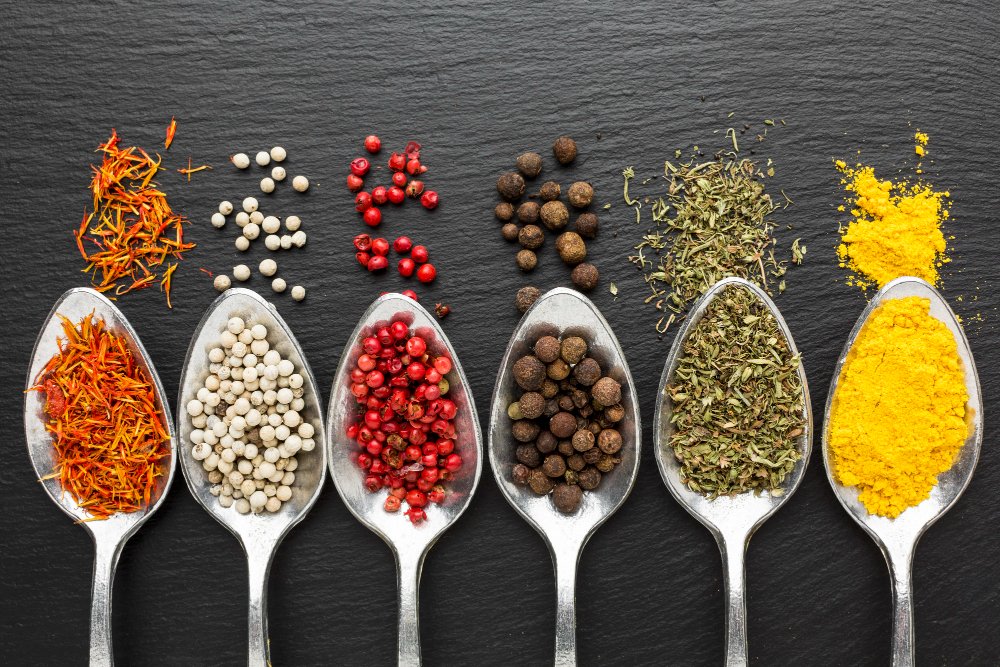
Spices are derived from different parts of plants, including seeds, roots, bark, flowers, and fruits.
Major spice-producing regions include:
- India: the world’s largest producer and exporter of spices (turmeric, cumin, cardamom)
- Sri Lanka: known for cinnamon
- Indonesia: cloves and nutmeg
- China: ginger and star anise
- Middle East: saffron and sumac
- Africa: chili peppers and various aromatic spices
Each region has developed its own unique spice blends and culinary traditions.
Types of Spices
Spices can be categorized based on their origin and use:
1. Seeds
- Cumin
- Coriander
- Fennel
2. Roots and Rhizomes
- Ginger
- Turmeric
3. Bark
- Cinnamon
4. Fruits and Pods
- Black pepper
- Chili peppers
- Cardamom
5. Flowers
- Saffron
- Cloves
Each type contains unique compounds that contribute to both flavor and health benefits.
Why Spices Matter for Health
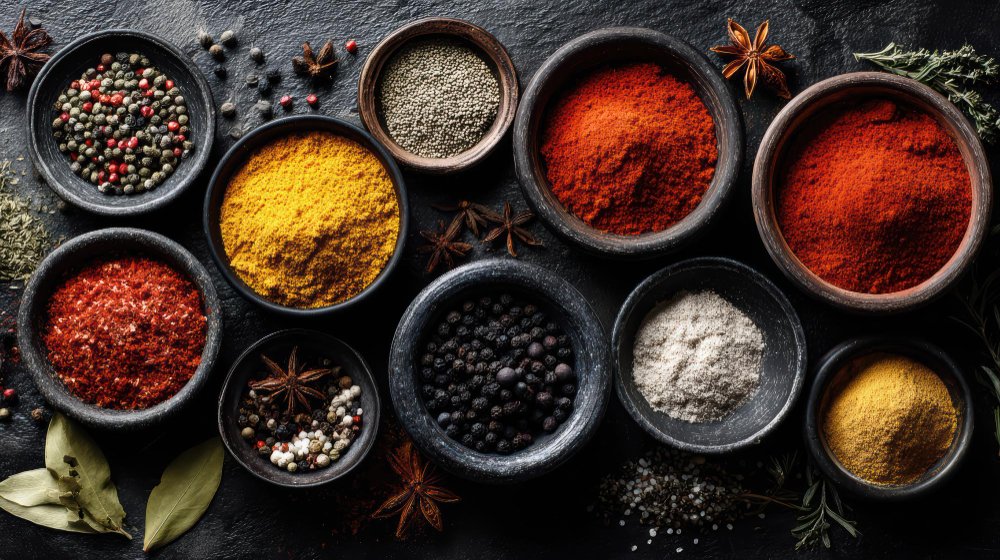
Spices are rich in bioactive compounds, natural chemicals that influence the body at a cellular level.
These compounds can:
- Reduce inflammation
- Fight oxidative stress
- Support digestion
- Enhance metabolism
- Strengthen the immune system
Incorporating spices into daily meals is a simple and natural way to support overall health.
Key Health Benefits of Spices
1. Anti-Inflammatory Properties
Chronic inflammation is linked to many diseases, including heart disease, diabetes, and certain cancers.
Spices like turmeric and ginger contain compounds that help reduce inflammation in the body.
2. Antioxidant Effects
Spices are rich in antioxidants, which protect cells from damage caused by free radicals.
Examples:
- Cloves
- Cinnamon
- Oregano
These antioxidants support long-term health and may reduce the risk of chronic diseases.
3. Improved Digestion
Many spices stimulate digestive enzymes and improve gut health.
Examples:
- Ginger helps reduce nausea and supports digestion
- Fennel can relieve bloating
- Cumin aids in nutrient absorption
4. Blood Sugar Regulation
Certain spices may help regulate blood sugar levels.
Cinnamon, for example, has been studied for its potential role in improving insulin sensitivity.
This makes spices a valuable addition for individuals focusing on metabolic health.
5. Immune System Support
Spices contain antimicrobial and immune-boosting compounds.
Garlic, turmeric, and ginger are often used to support the body’s natural defenses against infections.
6. Heart Health
Some spices contribute to cardiovascular health by:
- Reducing cholesterol levels
- Improving blood circulation
- Lowering blood pressure
Examples include garlic and chili peppers.
Popular Spices and Their Benefits
Turmeric
- Contains curcumin, a powerful anti-inflammatory compound
- Supports joint and brain health
Ginger
- Aids digestion
- Reduces nausea
- Has anti-inflammatory properties
Cinnamon
- Helps regulate blood sugar
- Rich in antioxidants
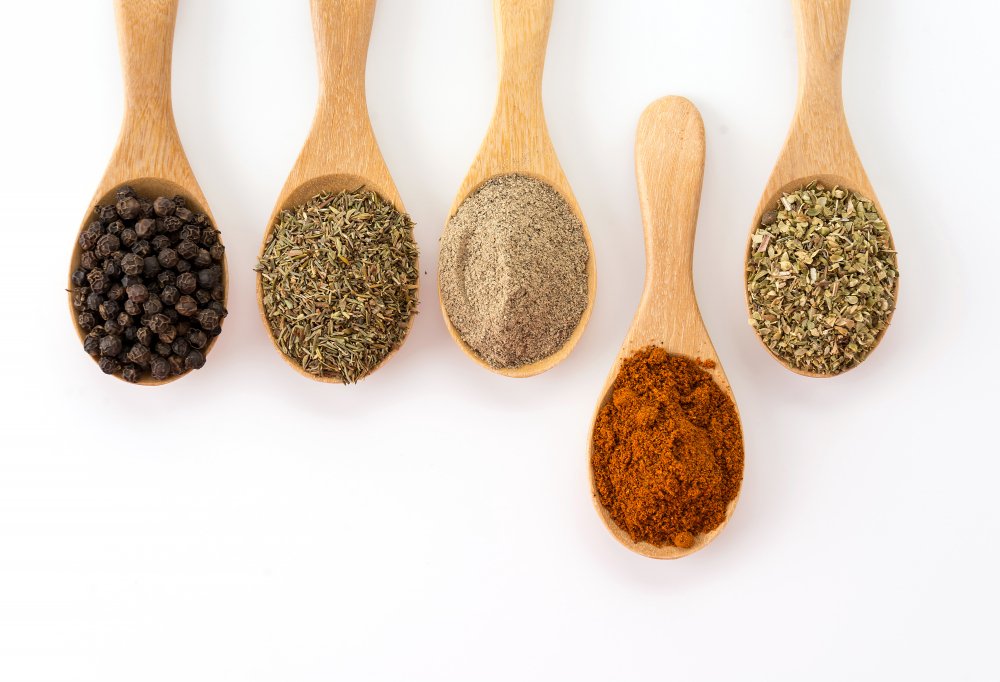
Black Pepper
- Enhances nutrient absorption
- Contains piperine, which supports metabolism
Garlic
- Supports heart health
- Has antimicrobial properties
Spices and Lifestyle Medicine
In modern healthcare, there is growing interest in lifestyle medicine, which focuses on preventing and managing disease through daily habits.
Spices play an important role in this approach by:
- Enhancing the nutritional value of meals
- Reducing the need for excessive salt and sugar
- Supporting long-term health through natural compounds
Using spices regularly aligns with a preventive, holistic approach to health.
How to Use Spices in Daily Life
Incorporating spices into your diet doesn’t require complex recipes.
Simple ideas include:
- Adding turmeric and black pepper to soups or rice
- Using cinnamon in oatmeal or tea
- Including ginger in smoothies or stir-fries
- Seasoning vegetables with cumin and herbs
The goal is consistency, small amounts used regularly can have meaningful effects over time.
Are There Any Risks?
While spices are generally safe, excessive consumption or supplementation can have side effects.
Considerations:
- Some spices may interact with medications
- High doses of certain spices (like turmeric supplements) should be used with caution
- Allergies or sensitivities may occur in some individuals
It is always best to use spices as part of a balanced diet rather than relying on supplements.
Conclusion: Small Ingredients, Big Impact
Spices are more than just flavor enhancers, they are powerful tools for supporting health.
From their rich history in ancient medicine to their role in modern nutrition science, spices offer a natural and accessible way to improve well-being.
By incorporating a variety of spices into your daily meals, you can:
- Enhance flavor
- Improve digestion
- Support immunity
- Reduce the risk of chronic diseases
In the journey toward better health, sometimes the smallest ingredients can make the biggest difference.
FAQ Section
1. Are spices good for your health?
Yes, spices contain bioactive compounds that support digestion, reduce inflammation, and improve overall health.
2. Which spices are the healthiest?
Turmeric, ginger, cinnamon, garlic, and black pepper are among the most beneficial.
3. Can spices help prevent diseases?
Spices can support health and reduce risk factors, but they are not a replacement for medical treatment.
4. How often should I use spices?
Spices can be used daily in moderate amounts as part of a balanced diet.
5. Are there any risks in consuming spices?
Spices are generally safe, but excessive intake or supplementation may cause side effects or interact with medications.
Refrences:
Leave a Reply