

When it comes to lose weight naturally, most people focus only on calories, workouts, and diet plans, but often overlook one simple and powerful tool already in the kitchen: spices.
Certain spices do more than improve flavor. They may help support metabolism, reduce inflammation, improve digestion, balance blood sugar, and even help control appetite. While spices alone are not magic solutions for losing weight, they can be valuable additions to a sustainable lifestyle medicine approach.
Natural fat-burning spices like cinnamon, ginger, turmeric, cayenne pepper, black pepper, cumin, and saffron have been widely studied for their potential role in metabolic health and weight management.
In this article, we’ll explore the best spices for weight loss, how they work, their benefits, and how to use them safely as part of a healthy routine.
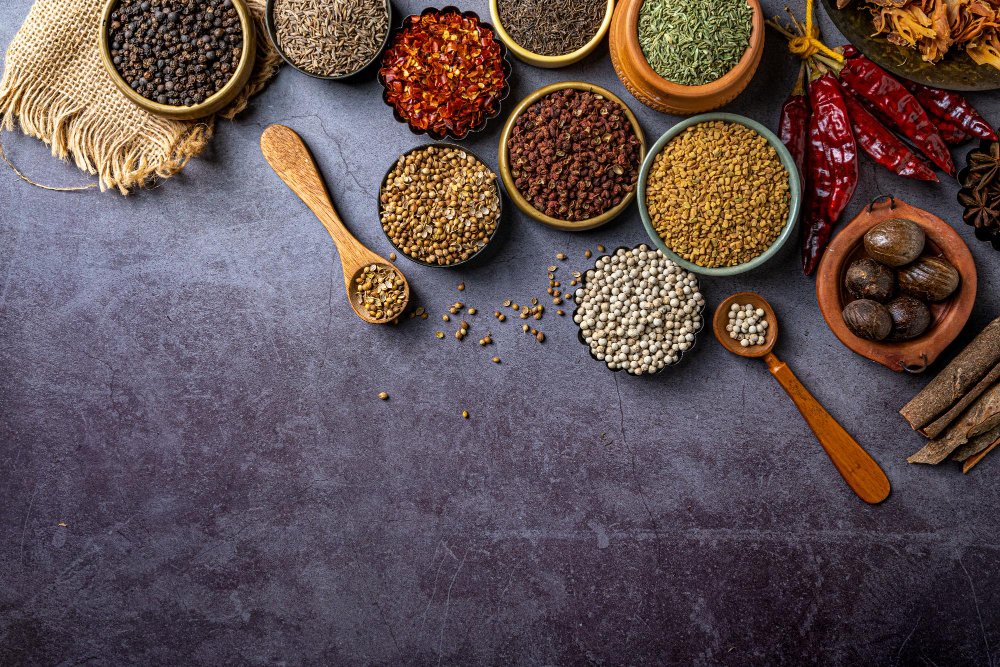
Why Spices Can Support to lose Weight naturally?
Weight gain is often connected to more than overeating. Factors like:
- Insulin resistance
- Chronic inflammation
- Poor digestion
- Hormonal imbalance
- Slow metabolism
- Emotional eating
- High stress levels
can all affect body weight.
Many spices contain bioactive compounds that may help improve these underlying issues by:
- Supporting thermogenesis (calorie burning)
- Improving insulin sensitivity
- Reducing inflammation
- Helping digestion
- Supporting appetite control
- Reducing sugar cravings
The key is consistency, not extreme use.
1. Cinnamon: The Blood Sugar Balancer
How It Helps
Cinnamon may help regulate blood sugar levels by improving insulin sensitivity and slowing carbohydrate digestion. Stable blood sugar means fewer energy crashes and fewer cravings for sugar.
Benefits
- Helps reduce sugar cravings
- Supports insulin function
- May reduce belly fat over time
- Adds sweetness without sugar
Best Ways to Use It
- Add to oatmeal or yogurt
- Mix into tea or coffee
- Sprinkle on fruit
- Use in smoothies
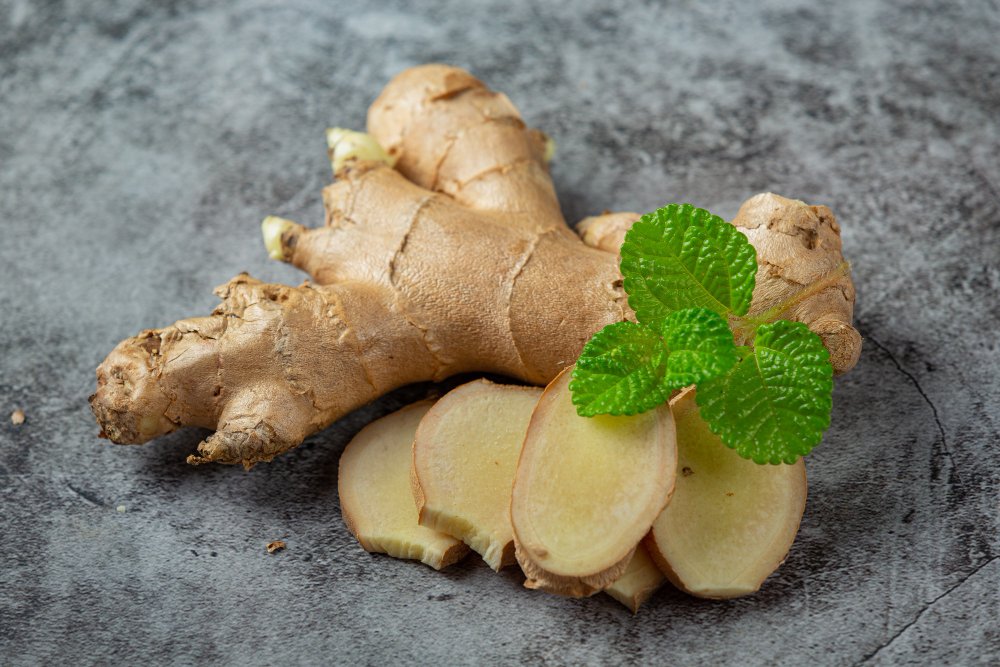
2. Ginger: The Metabolism Booster
How It Helps
Ginger supports digestion and may slightly increase thermogenesis, the body’s ability to burn calories for heat and energy.
Benefits
- Improves digestion
- Reduces bloating
- May help appetite control
- Supports fat metabolism
Best Ways to Use It
- Fresh ginger tea
- Smoothies
- Soups and stir-fries
- Warm lemon water with ginger
3. Turmeric: The Inflammation Fighter
How It Helps
Curcumin, the active compound in turmeric, helps reduce chronic inflammation, which is strongly linked to obesity and metabolic dysfunction.
Benefits
- Helps reduce inflammation
- Supports liver function
- May improve metabolic health
- Supports insulin sensitivity
Best Ways to Use It
- Golden milk
- Soups
- Rice dishes
- Eggs and roasted vegetables
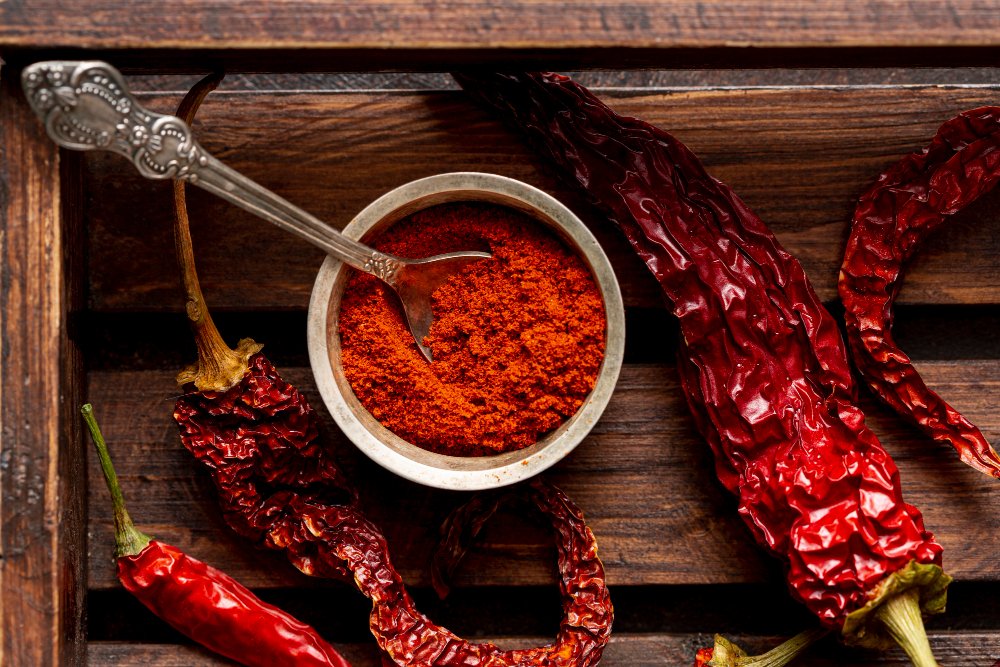
4. Cayenne Pepper: The Thermogenic Spice
How It Helps
Cayenne contains capsaicin, a compound known to increase calorie burning and reduce appetite temporarily.
Benefits
- May increase metabolism
- Supports fat oxidation
- Can reduce appetite
- Helps improve circulation
Best Ways to Use It
- Soups
- Eggs
- Salad dressings
- Lean protein meals
5. Black Pepper: The Absorption Enhancer
How It Helps
Black pepper contains piperine, which may improve nutrient absorption and support fat metabolism.
Benefits
- Supports digestion
- Helps turmeric absorption
- May support fat breakdown
- Improves gut health
Best Ways to Use It
- Add to nearly all savory meals
- Combine with turmeric
- Soups and vegetables
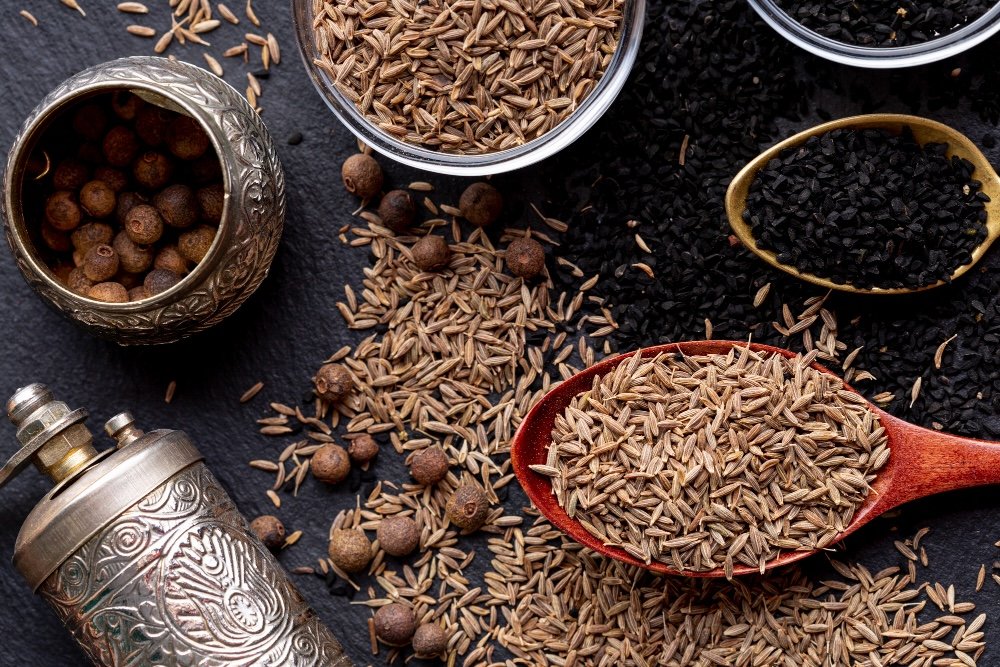
6. Cumin: The Digestive Supporter
How It Helps
Cumin may improve digestion and support fat metabolism. Some studies suggest it may help body composition and waist circumference.
Benefits
- Supports digestion
- May reduce bloating
- Helps metabolic function
- Can improve satiety
Best Ways to Use It
- Lentils and beans
- Soups
- Rice dishes
- Herbal cumin water
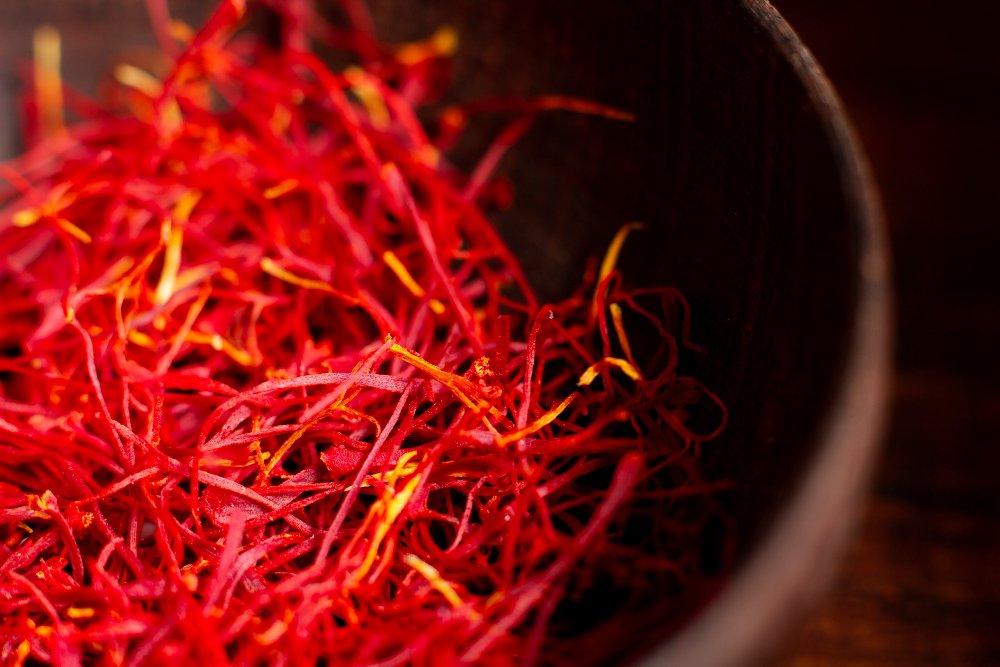
7. Saffron: The Craving Controller
How It Helps
Saffron may help reduce emotional eating and appetite by supporting mood balance and reducing stress-related cravings.
Benefits
- Helps emotional eating
- May improve mood
- Supports appetite control
- Can reduce snack cravings
Best Ways to Use It
- Saffron tea
- Warm milk
- Rice dishes
- Herbal infusions
Important Reminder: Spices Are Supportive, Not Magic
No spice can replace:
- Balanced nutrition
- Regular physical activity
- Sleep quality
- Stress management
- Consistent healthy habits
Spices work best as part of a complete lifestyle,not as quick fixes.
Can Too Much Spice Be Harmful?
Yes. More is not always better.
Excessive use may cause:
- Digestive irritation
- Acid reflux
- Medication interactions
- Blood sugar changes
- Blood thinning effects (especially turmeric)
People with medical conditions, pregnancy, or those taking medication should consult a healthcare provider before using concentrated spice supplements.
Conclusion
Adding the right spices to your daily routine can be a simple, enjoyable, and natural way to support healthy weight loss. Cinnamon, ginger, turmeric, cayenne pepper, black pepper, cumin, and saffron all offer unique benefits for metabolism, digestion, inflammation, and appetite control.
The goal is not rapid weight loss, but sustainable health.
Small daily habits create powerful long-term results, and sometimes the journey to better health starts with something as simple as what you add to your next meal.
FAQ
1. Which spice burns the most fat?
Cayenne pepper is often considered one of the strongest fat-burning spices because capsaicin may help increase metabolism and reduce appetite.
2. Can cinnamon really help with weight loss?
Yes, cinnamon may help stabilize blood sugar and reduce sugar cravings, which can support better weight management.
3. Is turmeric good for belly fat?
Turmeric may help reduce inflammation and improve metabolic health, which can support long-term fat loss, including belly fat.
4. Does ginger help burn calories?
Ginger may slightly increase thermogenesis and improve digestion, both of which can support weight loss efforts.
5. Can saffron reduce appetite?
Yes, some studies suggest saffron may help reduce emotional eating and snack cravings by supporting mood balance.
6. How should I use spices for weight loss?
The best way is through daily meals, teas, and balanced nutrition, not high-dose supplements.
Leave a Reply