
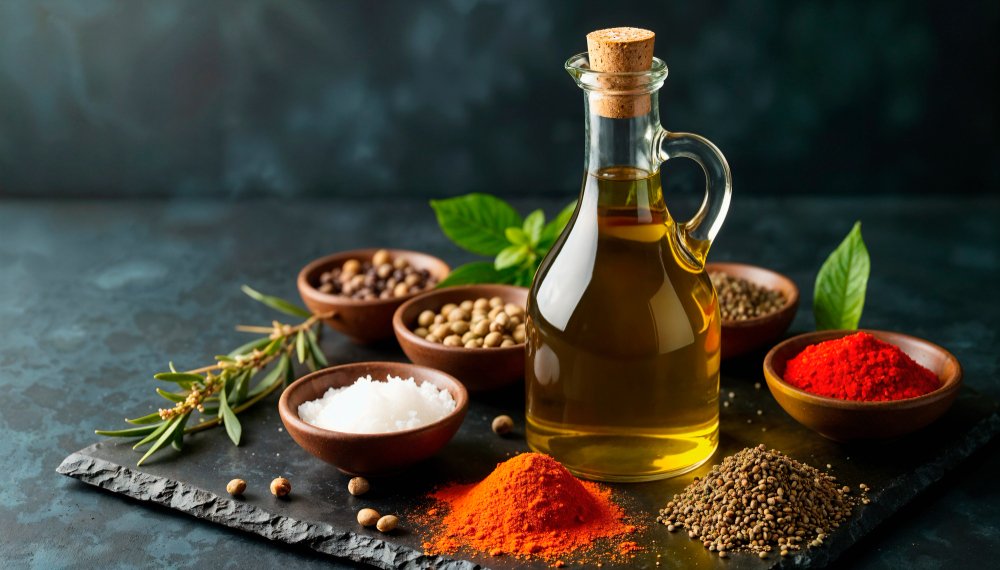
Cooking oils are part of daily life in almost every kitchen. We use it to fry eggs, prepare salad dressing, cook rice, roast vegetables, bake, or add flavour to food. But not all oils affect the body in the same way. Some oils can support heart health when used wisely, while others may increase saturated fat intake if used too often.
The goal is not to remove oil completely from your diet. Fat is an important nutrient. The body needs healthy fats to absorb fat-soluble vitamins, support cell structure, produce hormones, and provide energy.
The real question is: which oils should we use, how much should we use, and how should we cook with them?
Why the Type of Fat Matters
Oils are made mostly of fats. These fats are usually grouped into three main categories: unsaturated fats, saturated fats, and trans fats.
Unsaturated fats are generally considered the healthier type of fat. They include monounsaturated and polyunsaturated fats. These fats are found in oils such as olive oil, canola oil, sunflower oil, soybean oil, and avocado oil. Replacing saturated fats with unsaturated fats can help improve blood cholesterol levels and support heart health.
The American Heart Association notes that monounsaturated and polyunsaturated fats may help reduce LDL, often called “bad” cholesterol, when used instead of saturated fats.
Saturated fats are found in higher amounts in butter, ghee, coconut oil, palm oil, high-fat dairy products, and fatty meats. Eating too much saturated fat may increase LDL cholesterol and cardiovascular risk.
The Dietary Guidelines for Americans recommend keeping saturated fat under 10% of daily calories, while the American Heart Association recommends aiming even lower, around less than 6% of calories for heart health.
Trans fats are the least healthy type and should be avoided as much as possible. They may be found in some processed or deep-fried foods, especially when partially hydrogenated oils are used.
Which Cooking Oils Are Better Choices?
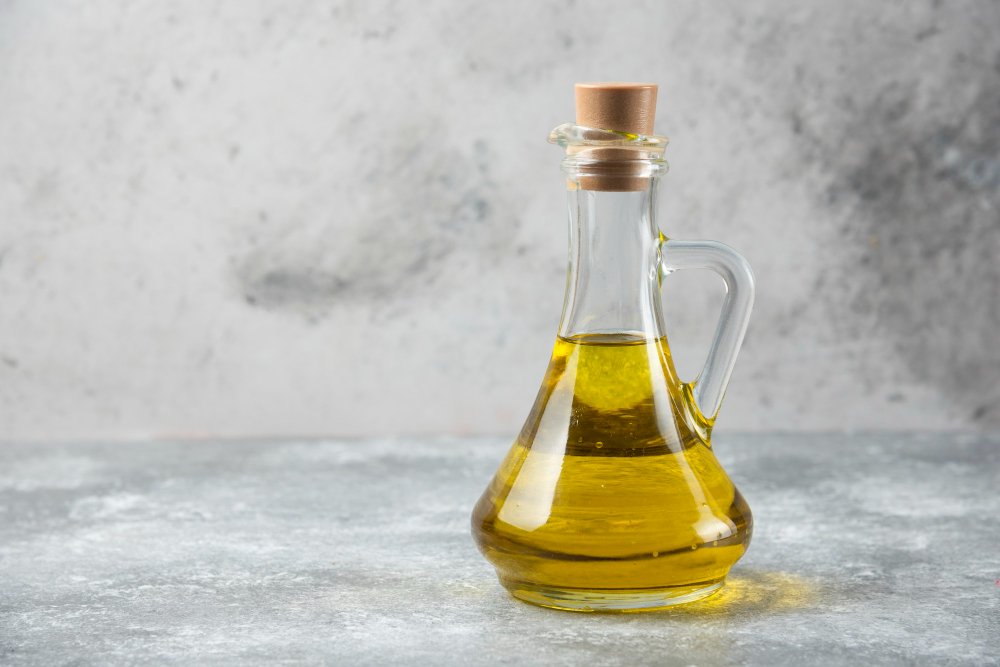
For everyday cooking, oils higher in unsaturated fats and lower in saturated fats are usually better choices.
The American Heart Association lists oils such as olive, canola, corn, peanut, safflower, soybean, sunflower, and vegetable oil blends as common cooking oils that contain more “better-for-you” fats and less saturated fat.
Specialty oils such as avocado, grapeseed, rice bran, and sesame oil may also be healthy options, depending on use and budget.
Olive Oil
Olive oil is one of the most studied oils, especially in Mediterranean-style eating patterns. It is rich in monounsaturated fat, particularly oleic acid. Extra virgin olive oil also contains plant compounds called polyphenols, which may support heart health and reduce oxidative stress.
Olive oil is a good choice for salad dressings, dipping, sautéing, and many low-to-medium heat cooking methods. Extra virgin olive oil has more flavour and beneficial compounds, while refined olive oil has a milder taste and may tolerate higher heat.
Canola Oil
Canola oil is another practical option. It is relatively low in saturated fat and contains monounsaturated fat as well as alpha-linolenic acid, a plant-based omega-3 fat.
Harvard Health notes that canola oil has heart-friendly characteristics, including plant compounds such as phytosterols that may help lower cholesterol.
Canola oil is affordable, neutral in taste, and useful for baking, sautéing, and general cooking.
Avocado Oil
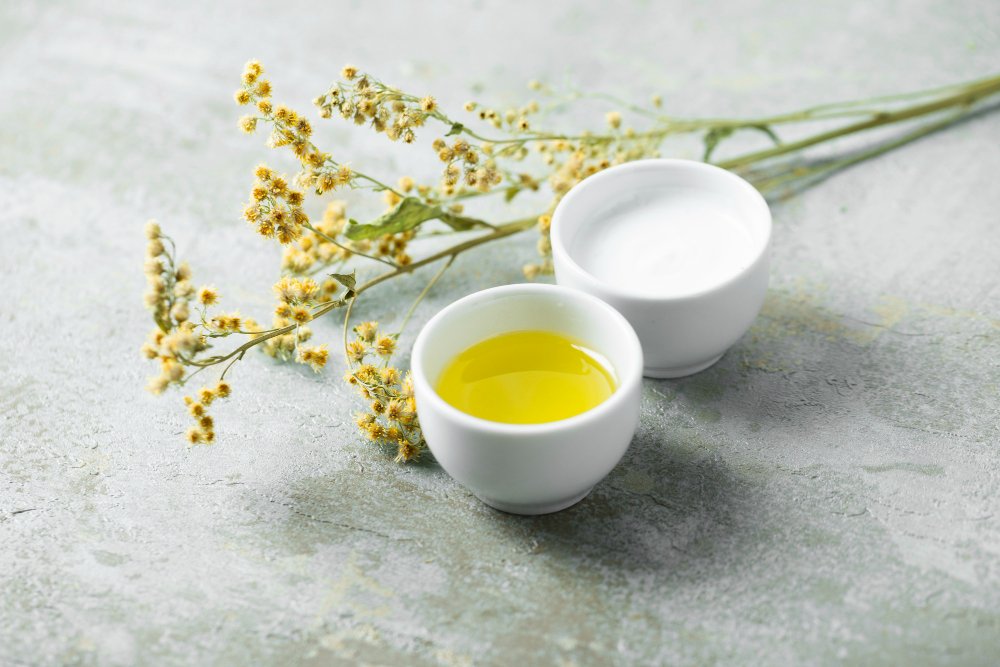
Avocado oil has become popular because of its mild taste and higher smoke point, especially in refined form. It contains mostly monounsaturated fat and can be used for roasting, sautéing, and higher-heat cooking. It is usually more expensive than canola or sunflower oil, so it may not be necessary for every household, but it can be a good option.
Sunflower, Safflower, Soybean, and Corn Oils
These oils are usually rich in polyunsaturated fats. Polyunsaturated fats can support healthier cholesterol levels when they replace saturated fats. However, the overall quality of the diet matters. Using these oils in home cooking is different from eating large amounts of ultra-processed fried foods.
Coconut Oil, Butter, and Ghee
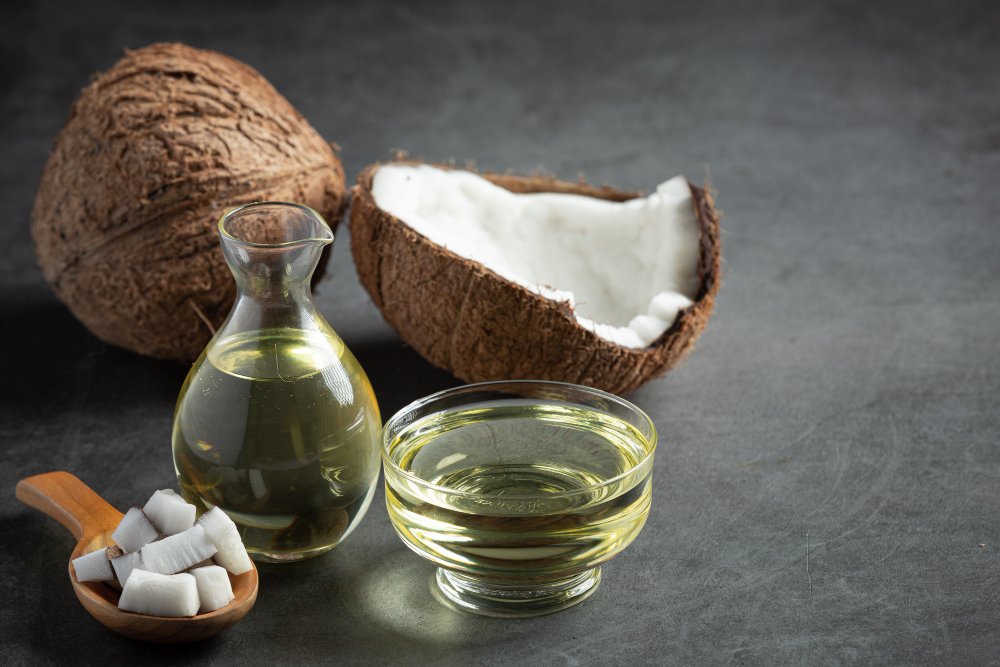
Coconut oil, butter, and ghee are popular in many kitchens, but they are high in saturated fat. This does not mean you can never use them, but they should not be the main daily oil if your goal is heart health.
Some people believe coconut oil is a “superfood,” but health organizations generally recommend limiting oils high in saturated fat. AARP summarizes that most nutrition experts recommend avoiding oils with high saturated fat, such as coconut and palm oil, as main everyday oils.
For Wiser Health users, a practical approach is moderation. Use butter, ghee, or coconut oil occasionally for flavour, but choose unsaturated oils more often for daily cooking.
Is Frying with Oil Healthy?
The cooking method matters as much as the oil. Even a healthier oil can become part of an unhealthy pattern if it is used for frequent deep-frying.
Deep-fried foods are often high in calories and may contribute to weight gain when eaten regularly. Reusing oil many times or heating oil until it smokes can also reduce quality and create unwanted compounds.
For daily health, it is better to use cooking methods such as sautéing, steaming, baking, roasting, grilling, or air-frying with a small amount of oil.
A simple rule is: use enough oil to improve taste and texture, but not so much that the food becomes oil-heavy.
How Much Oil Should You Use?
Healthy oil is still calorie-dense. One tablespoon of oil has about 120 calories. This means that even healthy oils can add many calories if poured freely.
You do not need to measure every drop, but it helps to be mindful. Instead of pouring oil directly from the bottle, you can use a teaspoon, tablespoon, oil spray, or small bowl. For salad dressing, mix oil with lemon juice, vinegar, herbs, garlic, or spices to create flavour without using too much oil.
Practical Tips for Choosing and Using Oils
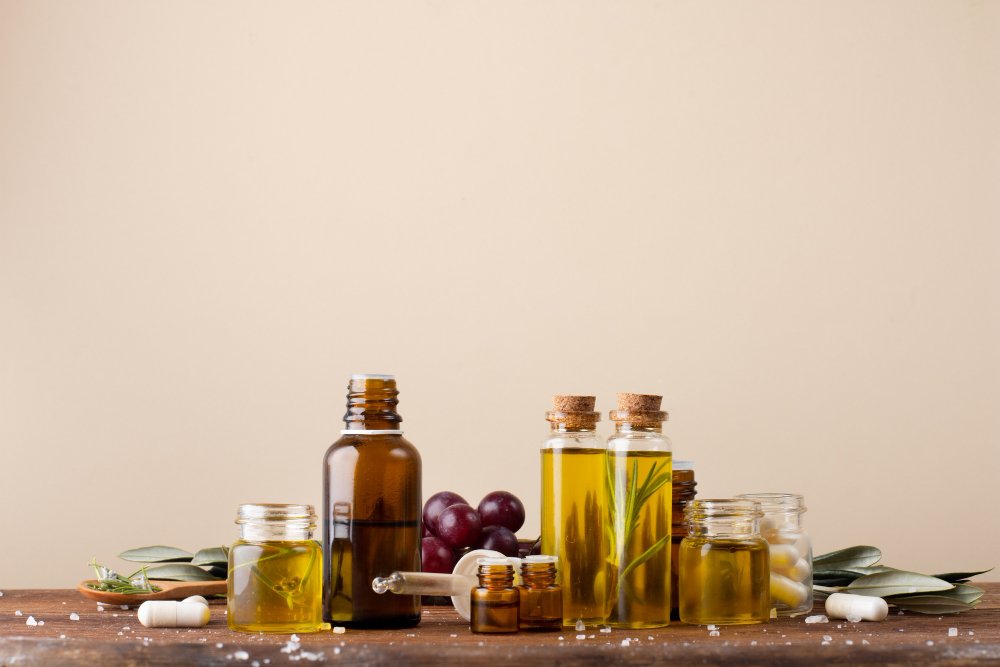
For everyday cooking, keep one or two main oils at home. Olive oil and canola oil are practical choices for many families. Avocado oil can be added if you prefer it for higher-heat cooking.
Store oils in a cool, dark place. Heat, light, and air can damage oil quality over time. Avoid keeping oil bottles beside the stove for long periods. Also, check smell and taste. If an oil smells bitter, stale, or unpleasant, it may be rancid and should not be used.
Try to match the oil with the cooking purpose. Extra virgin olive oil works well for salads and gentle cooking. Canola oil works well for baking and neutral-flavour cooking. Sesame oil can add flavour to Asian-style dishes, but a small amount is usually enough.
The Bigger Picture: Oil Is Only One Part of the Diet
Choosing a healthier oil is helpful, but it cannot fix an unhealthy diet by itself. Heart health and metabolic health depend on the overall eating pattern.
A healthy pattern includes vegetables, fruits, whole grains, beans, lentils, nuts, seeds, fish or other healthy proteins, and limited highly processed foods.
Harvard’s Nutrition Source emphasizes choosing unsaturated fats, limiting foods high in saturated fat, and avoiding trans fat as part of a healthy diet.
In other words, olive oil on vegetables is very different from repeatedly deep-fried fast food. The same oil can have different health effects depending on how it is used.
Conclusion
Oil is not the enemy. The body needs healthy fats, and oils can make food enjoyable and satisfying. The key is choosing oils that are higher in unsaturated fats, using them in reasonable amounts, and avoiding frequent use of oils high in saturated fat.
For most people, olive oil, canola oil, avocado oil, sunflower oil, soybean oil, and similar unsaturated oils are better everyday choices. Butter, ghee, coconut oil, and palm oil can be used occasionally, but they should not be the main source of fat in a heart-healthy eating pattern.
At Wiser Health, we believe small daily choices can create meaningful long-term health benefits. Choosing the right oil is one of those small choices that can support better nutrition, heart health, and healthier cooking habits.
Medical disclaimer: This article is for general educational purposes only and does not replace medical advice, diagnosis, or treatment from a qualified healthcare professional.
FAQ
1. Is oil bad for your health?
No. Healthy oils provide essential fats that support heart health, brain function, and overall wellness when used in moderation.
2. Which oils are considered healthiest for everyday cooking?
Olive oil, avocado oil, canola oil, sunflower oil, and soybean oil are commonly considered healthier choices because they are higher in unsaturated fats.
3. What is the difference between healthy fats and unhealthy fats?
Healthy fats are mostly unsaturated fats that support heart health, while unhealthy fats are often high in saturated or trans fats, which may increase cardiovascular risk when consumed excessively.
4. Is olive oil better than butter?
For heart health, olive oil is generally considered a healthier everyday option because it contains more unsaturated fats and antioxidants.
5. Can coconut oil be part of a healthy diet?
Yes, but in moderation. Coconut oil is high in saturated fat, so it’s best used occasionally rather than as the primary cooking oil.
Leave a Reply