
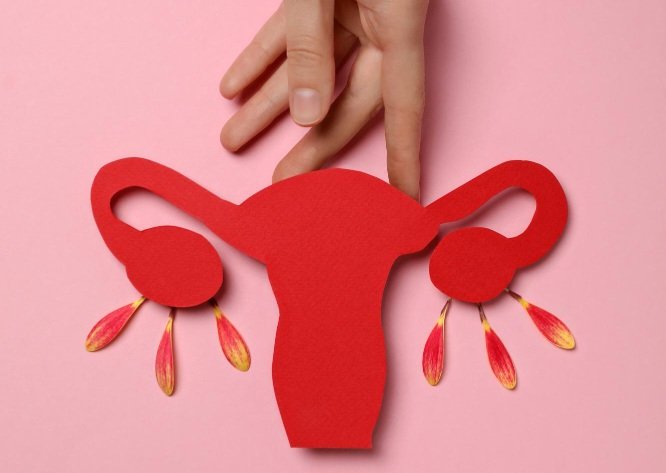
Menopause is a natural stage of life that marks the end of menstrual cycles and reproductive years in women. While menopause is a normal biological transition, many women experience challenging physical and emotional symptoms that can affect daily life, sleep, mood, and overall well-being.
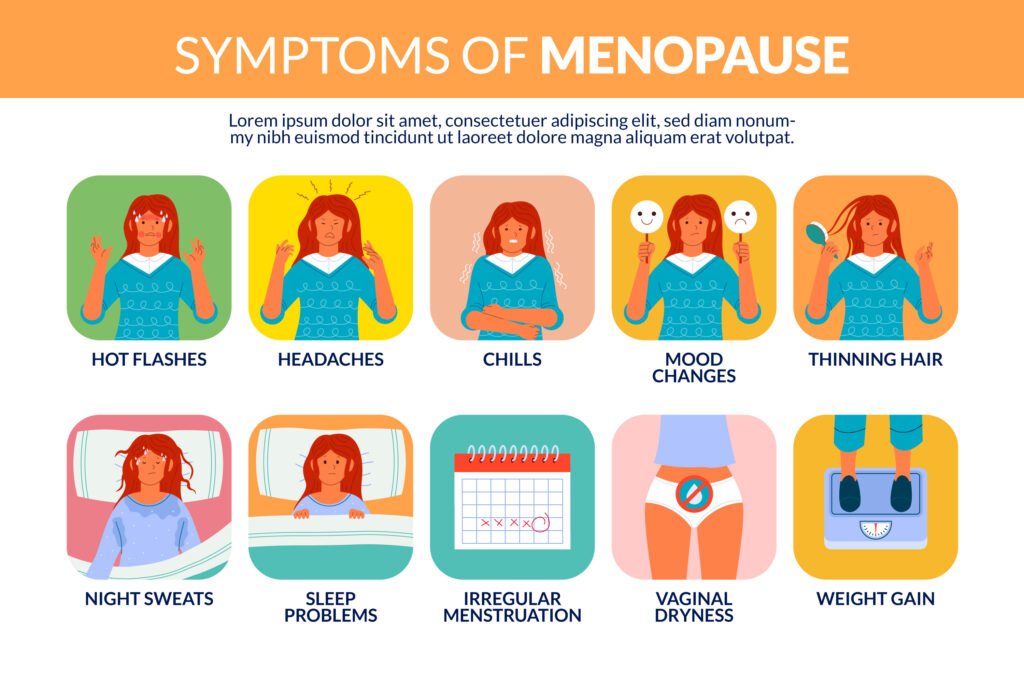
Common menopause symptoms include:
- Hot flashes
- Mood changes
- Anxiety
- Sleep disturbances
- Fatigue
- Weight gain
- Brain fog
In recent years, interest in natural approaches to menopause support has increased significantly. Among these natural remedies, saffron has gained attention for its potential effects on mood, stress, sleep, and hormonal well-being.
Saffron, often called the “golden spice,” contains bioactive compounds such as:
- Crocin
- Safranal
- Crocetin
These compounds are being studied for their antioxidant, anti-inflammatory, and mood-supportive properties.
In this article, we explore menopause, how it affects the body, and the potential ways saffron may help support women during this transition.
What Is Menopause?
Menopause officially occurs when a woman has gone 12 consecutive months without a menstrual period.
It most commonly occurs between ages 45 and 55.
Menopause happens because:
The ovaries gradually produce less:
- Estrogen
- Progesterone
These hormonal changes affect multiple systems in the body, including:
- Brain
- Bones
- Heart
- Skin
- Sleep regulation
- Metabolism

Common Symptoms of Menopause
Symptoms vary greatly between women.
Physical symptoms:
- Hot flashes
- Night sweats
- Sleep disruption
- Joint discomfort
- Weight changes
- Vaginal dryness
Emotional and cognitive symptoms:
- Mood swings
- Anxiety
- Irritability
- Depression symptoms
- Difficulty concentrating
For some women, symptoms are mild. For others, they significantly affect quality of life.
Why Saffron Is Being Studied for Menopause
Saffron has traditionally been used in Persian and Middle Eastern medicine for:
- Mood support
- Relaxation
- Emotional balance
- Energy
Modern research suggests saffron may influence:
- Neurotransmitters like serotonin
- Oxidative stress
- Inflammation
- Sleep quality
These effects may be especially relevant during menopause.

1. Saffron May Help Support Mood During Menopause
Mood changes are extremely common during menopause due to fluctuating hormones.
Some studies suggest saffron may help support emotional well-being by affecting serotonin pathways in the brain.
Potential benefits may include:
- Reduced irritability
- Improved emotional balance
- Lower stress levels
- Better mood stability
This is one reason saffron is increasingly discussed in women’s wellness research.
2. Saffron and Anxiety Reduction
Many women experience increased anxiety during perimenopause and menopause.
Chronic stress and hormonal shifts can intensify:
- Restlessness
- Nervousness
- Sleep difficulties
Research suggests saffron may have calming properties that help support relaxation and emotional resilience.
3. Saffron May Improve Sleep Quality
Sleep problems are among the most frustrating menopause symptoms.
Hormonal changes can disrupt:
- Melatonin regulation
- Sleep cycles
- Nighttime body temperature
Some evidence suggests saffron may help improve:
- Sleep quality
- Relaxation
- Falling asleep more easily
Better sleep can positively influence:
- Energy
- Mood
- Weight management
- Cognitive function
4. Antioxidant Support During Aging
Saffron is rich in antioxidants, which help protect cells from oxidative stress.
Oxidative stress increases with:
- Aging
- Chronic stress
- Hormonal changes
Antioxidants may help support:
- Healthy aging
- Brain function
- Cardiovascular health
- Skin health
5. Saffron and Hot Flashes
Some emerging research suggests saffron may help improve overall menopause-related quality of life, including discomfort associated with hot flashes.
However:
More research is still needed before strong conclusions can be made.
Lifestyle factors such as:
- Stress reduction
- Sleep quality
- Nutrition: also remain extremely important.
6. Saffron and Weight Changes During Menopause
Weight gain is common during menopause due to:
- Hormonal changes
- Reduced muscle mass
- Slower metabolism
- Sleep disruption
Some studies suggest saffron may help reduce emotional eating and cravings in certain individuals.
This may indirectly support:
- Better appetite regulation
- Healthier eating habits
But saffron alone is not a weight-loss treatment.
7. Saffron May Support Overall Emotional Well-Being
Menopause affects far more than hormones.
It also affects:
- Confidence
- Energy
- Relationships
- Mental health
- Daily functioning
Natural wellness approaches that support stress reduction and emotional resilience may help women navigate menopause more comfortably.
Important Safety Considerations
Although saffron is generally considered safe in culinary amounts, supplements should be used carefully.
Important considerations:
- High doses may cause side effects
- Saffron may interact with medications
- Quality and purity vary between products
Women should always speak with a healthcare professional before starting supplements, especially during menopause or while taking medications.
Lifestyle Habits Still Matter Most
Natural remedies work best when combined with healthy lifestyle habits.
Helpful menopause-supportive habits include:
- Regular physical activity
- Strength training
- Balanced nutrition
- Stress management
- Good sleep hygiene
- Social support
Long-term wellness is usually the result of consistent daily habits, not one single supplement.

Supporting Women’s Wellness in Calgary
In Calgary, growing awareness around lifestyle medicine and women’s health has increased interest in natural approaches to menopause support.
At wiserhealth.ca, lifestyle-focused care emphasizes evidence-based wellness strategies that support women through different life stages, including stress management, nutrition, sleep optimization, and sustainable healthy habits that may improve overall quality of life during menopause.
Conclusion
Menopause is a natural transition, but its symptoms can significantly affect physical and emotional well-being.
Emerging research suggests saffron may help support:
- Mood
- Sleep
- Stress management
- Emotional balance
- Overall wellness during menopause
However, saffron is not a replacement for medical care or healthy lifestyle habits.
The most effective menopause support often combines:
- Professional guidance
- Balanced lifestyle habits
- Emotional support
Sustainable wellness practicesSmall daily choices can make a meaningful difference in long-term health and quality of life.
FAQ
1. Can saffron help menopause symptoms?
Some studies suggest saffron may help support mood, sleep, and emotional well-being during menopause.
2. Does saffron help with hot flashes?
Research is still limited, but saffron may help improve overall menopause-related quality of life.
3. Is saffron good for anxiety during menopause?
Saffron may have calming properties that support stress reduction and emotional balance.
4. Can saffron improve sleep in menopausal women?
Some evidence suggests saffron may support relaxation and better sleep quality.
5. Can saffron help with menopause weight gain?
Saffron may help reduce emotional eating and cravings, but it is not a standalone weight-loss treatment.
Leave a Reply