
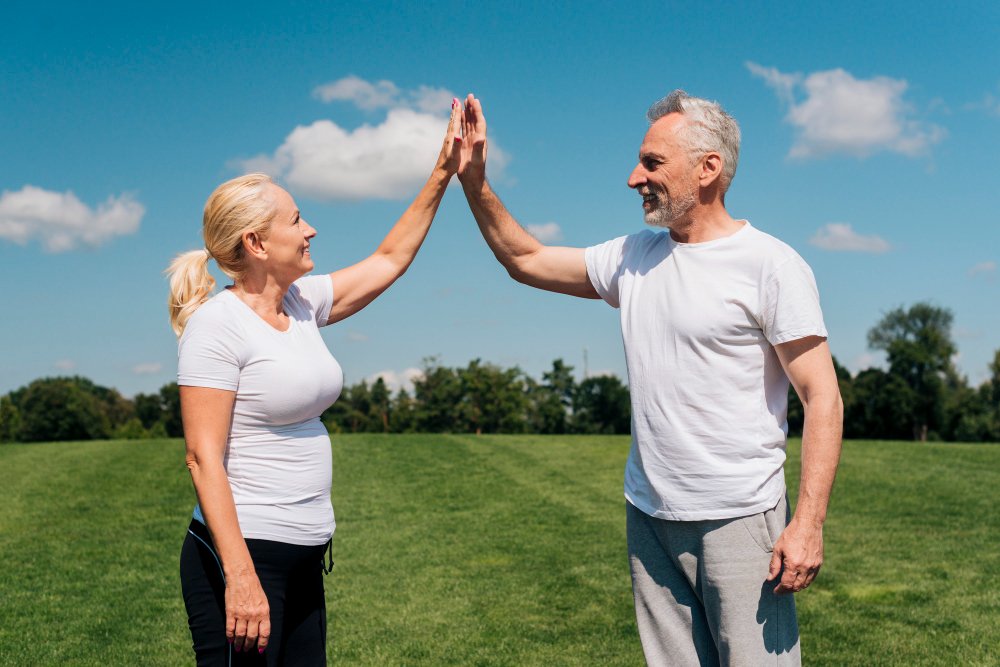
Everyone wants to age gracefully, but healthy aging is about much more than reducing wrinkles. True anti-aging habits focuses on maintaining your physical health, mental well-being, energy levels, and independence as you grow older.
While genetics influence how we age, research shows that lifestyle choices play an even greater role. Daily habits such as eating nutritious foods, staying physically active, sleeping well, managing stress, and protecting your skin can slow biological aging and reduce the risk of chronic diseases.
Instead of searching for a miracle cream or expensive supplement, the most effective anti-aging strategy is building healthy habits you can maintain for life.
Here are ten science-backed anti-aging habits that actually work.
1. Protect Your Skin from the Sun
Ultraviolet (UV) radiation is one of the leading causes of premature skin aging. Excessive sun exposure breaks down collagen and elastin, leading to wrinkles, dark spots, and loss of skin elasticity.
To protect your skin:
- Apply a broad-spectrum sunscreen with SPF 30 or higher every day.
- Wear sunglasses and protective clothing.
- Seek shade during peak sunlight hours.
Sun protection is one of the simplest and most effective ways to maintain youthful skin.

2. Eat an Antioxidant-Rich Diet
Your diet has a direct impact on how your skin and body age.
Foods rich in antioxidants help protect cells from oxidative stress, one of the major drivers of aging.
Choose plenty of:
- Colorful vegetables
- Berries
- Citrus fruits
- Nuts and seeds
- Olive oil
- Whole grains
- Fatty fish
A Mediterranean-style eating pattern has consistently been associated with healthier aging and a lower risk of chronic disease.
3. Prioritize Quality Sleep
Sleep is when your body repairs damaged tissues, regulates hormones, and supports healthy brain function.
Poor sleep has been linked to:
- Premature skin aging
- Increased stress hormones
- Weight gain
- Reduced immune function
- Memory problems
Aim for 7–9 hours of quality sleep each night and maintain a consistent sleep schedule whenever possible.
4. Exercise Regularly
Physical activity is one of the most powerful anti-aging tools available.
Regular exercise helps:
- Maintain muscle mass
- Improve heart health
- Enhance circulation
- Reduce inflammation
- Support healthy weight
- Improve mood and energy
Experts recommend at least 150 minutes of moderate exercise per week, along with strength training twice weekly.

5. Reduce Added Sugar
Too much added sugar accelerates a process called glycation, where sugar molecules attach to collagen and elastin fibers.
This process produces Advanced Glycation End Products (AGEs) that contribute to:
- Wrinkles
- Sagging skin
- Loss of elasticity
- Chronic inflammation
Reducing sugary drinks, desserts, and processed foods can benefit both your skin and your long-term metabolic health.
6. Learn to Manage Stress
Chronic stress increases cortisol levels, which can negatively affect your skin, immune system, and overall health.
Long-term stress may contribute to:
- Acne flare-ups
- Hair loss
- Poor sleep
- High blood pressure
- Faster biological aging
Simple strategies such as mindfulness, meditation, regular exercise, deep breathing, and spending time with loved ones can help lower stress and improve emotional well-being.
7. Stay Hydrated
Water is essential for nearly every function in the body, including maintaining healthy skin.
Although drinking more water won’t erase wrinkles, staying hydrated helps support skin function and overall health.
Also include water-rich foods such as:
- Cucumbers
- Tomatoes
- Oranges
- Watermelon
- Leafy greens
8. Avoid Smoking and Limit Alcohol
Smoking dramatically accelerates skin aging by reducing blood flow and damaging collagen.
Excessive alcohol consumption may contribute to dehydration, inflammation, and poor sleep quality.
Avoiding tobacco and drinking alcohol in moderation can significantly improve both your appearance and long-term health.
9. Support Your Body with Essential Nutrients
Healthy aging depends on getting the nutrients your body needs.
Focus on foods rich in:
- Vitamin C
- Vitamin D
- Omega-3 fatty acids
- Protein
- Magnesium
- Zinc
Unless recommended by a healthcare professional, nutrients should come primarily from a balanced diet rather than supplements.
10. Stay Socially Connected
Strong social relationships are closely linked to longer life expectancy and better mental health.
People with meaningful social connections tend to experience:
- Lower stress
- Better cognitive function
- Lower depression risk
- Greater life satisfaction
Make time for family, friends, community activities, or volunteering. Social wellness is an important part of healthy aging.
Anti-Aging Habits Starts with Small Daily Choices
There is no single product that can stop aging, but your daily habits have a powerful impact on how you look and feel over time.
Small, consistent lifestyle changes often produce greater long-term benefits than quick fixes or expensive treatments.

Healthy Aging with WiserHealth in Calgary
At WiserHealth in Calgary, we believe that healthy aging begins with everyday choices. Lifestyle medicine combines evidence-based nutrition, regular physical activity, quality sleep, stress management, and preventive healthcare to help people improve their health naturally.
Whether your goal is to protect your skin, reduce the risk of chronic disease, maintain a healthy weight, or enjoy greater vitality as you age, adopting sustainable lifestyle habits can make a meaningful difference. Our focus is not simply on adding years to life, but adding life to your years.
Conclusion
Aging is a natural part of life, but how we age is influenced by the choices we make every day. Protecting your skin from the sun, eating a nutrient-rich diet, staying active, sleeping well, managing stress, and maintaining strong social connections are among the most effective strategies for supporting healthy aging.
Rather than chasing miracle products, focus on building healthy habits that improve your overall well-being. Small changes today can help you enjoy healthier skin, better energy, and a higher quality of life for years to come.
FAQ
1. What is the best anti-aging habit?
Daily sun protection is one of the most effective ways to reduce premature skin aging.
2. Can lifestyle really slow aging?
Yes. Healthy habits such as exercise, good nutrition, quality sleep, and stress management can help slow biological aging.
3. Which foods help you look younger?
Fruits, vegetables, fatty fish, nuts, olive oil, and other antioxidant-rich foods support healthy aging.
4. Does sugar make you age faster?
Excess added sugar contributes to glycation, which damages collagen and may accelerate skin aging.
5. How much sleep is best for healthy aging?
Most adults benefit from 7–9 hours of quality sleep each night.
6. Is exercise important for anti-aging?
Absolutely. Regular exercise supports heart health, muscle strength, metabolism, and healthy aging.
7. Do supplements prevent aging?
No supplement can stop aging. A balanced diet and healthy lifestyle remain the foundation of healthy aging.
8. Can stress make you look older?
Yes. Chronic stress may contribute to inflammation, poor sleep, and premature skin aging.
Leave a Reply