
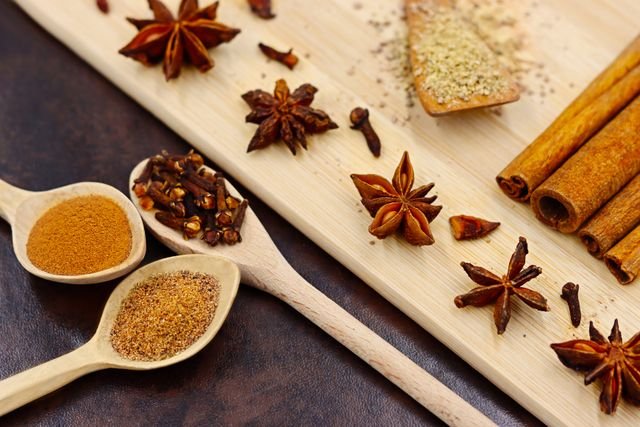
Clove is best known as a fragrant spice used in cooking, baking, and traditional preparations. But this small aromatic flower bud contains several bioactive compounds that have attracted scientific interest, particularly eugenol.
Eugenol is the major phenolic compound found in clove essential oil and has been studied for antioxidant, anti-inflammatory, antimicrobial, analgesic, and other biological activities.
These properties have led to growing interest in whether clove and its compounds could contribute to healthy aging.
However, there is an important distinction between having biological properties associated with aging and proving that a food or spice can slow human aging.
Current research does not establish clove as an anti-aging treatment. Instead, evidence suggests that compounds such as eugenol may influence biological processes, including oxidative stress and inflammation, that are relevant to overall Clove for Anti-Aging
What Is Clove?
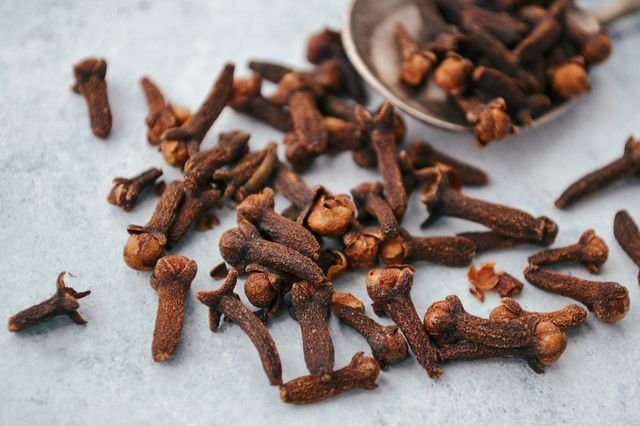
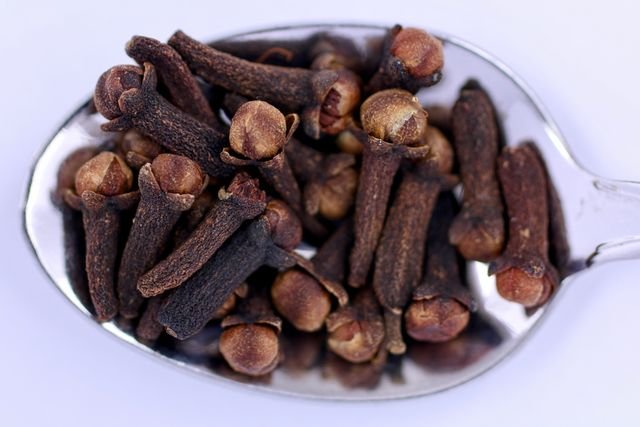
Clove comes from the dried flower buds of the clove tree, Syzygium aromaticum.
The spice contains a variety of phytochemicals, but eugenol is particularly important because it is a major component of clove oil and contributes to the characteristic aroma and flavor of cloves.
Researchers have studied eugenol extensively because of its antioxidant and anti-inflammatory activity as well as its applications in food, dentistry, pharmaceuticals, cosmetics, and other fields.
This makes clove an interesting example of how an ordinary culinary spice can contain biologically active plant compounds.
Is Clove Anti-Aging?
There is not enough human evidence to say that clove prevents or reverses aging.
What can be said is that clove contains compounds with biological activities that are relevant to some processes associated with aging.
In particular, eugenol has been studied for its effects on:
- Oxidative stress
- Inflammatory signaling
- Cellular defense mechanisms
- Microbial activity
- Metabolic and cardiovascular pathways
A 2024 review of eugenol research described substantial evidence for antioxidant and anti-inflammatory activity, while also highlighting the need to distinguish experimental findings from established therapeutic effects.
Therefore, it is more accurate to describe clove as a potential contributor to a healthy diet than as an anti-aging treatment.
Why Is Eugenol Important?
Eugenol is a naturally occurring phenolic compound and one of the main bioactive components of clove.
Its chemical structure allows it to participate in reactions involving free radicals and oxidative processes.
Research reviews have identified several biological activities associated with eugenol, including antioxidant and anti-inflammatory effects.
This is one reason eugenol has become an important research subject in discussions surrounding plant-based health compounds.
But laboratory activity does not automatically translate into a measurable anti-aging benefit in humans.
That distinction is essential when interpreting research about clove.
Clove and Oxidative Stress
Oxidative stress occurs when the production of reactive molecules exceeds the body’s ability to maintain an appropriate balance through antioxidant and other defense systems.
Oxidative stress is involved in many biological processes and has been investigated in connection with aging and chronic disease.
Eugenol has demonstrated antioxidant activity in experimental research, and reviews have examined several mechanisms through which it may interact with oxidative processes.
This provides a plausible biological reason to study clove in the context of healthy aging.
However, it does not mean that eating cloves will directly reduce aging-related oxidative damage throughout the human body.
The amount consumed as a culinary spice, the absorption of eugenol, its metabolism, and its concentration in different tissues all matter.

Clove and Inflammation
Inflammation is another area of interest in healthy-aging research.
Eugenol has been investigated for its ability to modulate inflammatory pathways and mediators.
A 2024 review concluded that eugenol has both antioxidant and anti-inflammatory properties and discussed several potential mechanisms underlying these effects.
Other reviews have similarly described eugenol as a compound with anti-inflammatory activity.
This is potentially relevant because persistent low-grade inflammation is associated with many chronic conditions that become more common with age.
Still, it would be inaccurate to conclude that consuming clove prevents age-related inflammation in humans.
The evidence is stronger for biological activity than for a proven clinical anti-aging effect.
Could Clove Support Healthy Aging?
Possibly, but the evidence should be interpreted cautiously.
Clove may contribute to a healthy dietary pattern because it provides bioactive plant compounds, including eugenol.
Researchers are particularly interested in whether these compounds can influence pathways related to:
Antioxidant defense
Eugenol can interact with oxidative processes and has demonstrated antioxidant activity in experimental studies.
Inflammatory signaling
Experimental research suggests that eugenol can modulate inflammatory responses.
Cardiometabolic health
Recent reviews have investigated eugenol in relation to cardiovascular and metabolic processes, including factors such as lipid metabolism, insulin resistance, and blood pressure.
Cellular protection
Because oxidative stress and inflammatory signaling can contribute to cellular damage, researchers are investigating whether compounds such as eugenol may have broader protective effects.
These findings are scientifically interesting, but they should not be interpreted as evidence that clove extends lifespan.
Does Clove Improve Skin Aging?
Clove and eugenol are sometimes promoted online as natural ingredients for younger-looking skin.
There is a biological rationale for studying this possibility because oxidative stress and inflammation can contribute to skin damage.
Eugenol is also used in cosmetic and pharmaceutical applications and has been investigated for several biological effects.
However, evidence that consuming cloves prevents wrinkles or reverses skin aging in humans is currently insufficient.
This is an important distinction:
Antioxidant activity ≠ proven wrinkle reduction.
A laboratory study showing that a compound protects cells from oxidative damage does not establish that applying or consuming that compound will produce a visible anti-aging effect on human skin.
Is Eating Clove Better Than Taking Clove Oil?
These are not equivalent.
Cloves are normally consumed as a culinary spice, while clove oil is a highly concentrated preparation.
Clove oil contains substantial amounts of eugenol, meaning that its exposure profile can be very different from simply using a small amount of ground or whole clove in food.
Research on eugenol has also raised questions about toxicity at sufficiently high concentrations or under certain exposure conditions.
Therefore, the fact that clove is commonly used as a food does not mean that concentrated clove oil should be consumed in the same way.
How Much Clove Should You Consume?
There is currently no established evidence-based dose of clove specifically for anti-aging or healthy aging.
Clove can be used as a culinary spice as part of a varied diet.
It is not appropriate to extrapolate doses from laboratory experiments directly to everyday human consumption.
This is particularly important with concentrated extracts and essential oils.
More is not necessarily better.
Is Clove Safe?
Clove used in normal culinary amounts is generally different from concentrated clove preparations.
Eugenol has a long history of use in food, dental products, and other applications, but concentrated exposure can have toxic effects. Reviews have specifically discussed concerns surrounding eugenol toxicity and the need to consider dose and route of exposure.
Possible concerns are particularly relevant when using:
- Concentrated clove oil
- High-dose extracts
- Essential oils internally
- Large amounts of isolated eugenol
Clove and eugenol can also cause irritation or allergic reactions in susceptible individuals.
For this reason, concentrated preparations should not be treated as equivalent to using a small amount of clove as a food seasoning.
Can You Drink Clove Water for Anti-Aging?
Clove water is sometimes promoted online as a natural anti-aging drink.
However, there is currently insufficient clinical evidence to establish that drinking clove-infused water slows aging, reduces wrinkles, or extends lifespan.
If someone enjoys clove-infused water as a beverage, it should not be viewed as a proven anti-aging treatment.
The same principle applies to many popular herbal drinks: a plant may contain biologically active compounds without the finished beverage having demonstrated clinical anti-aging effects.
Clove vs. Eugenol: What’s the Difference?
This distinction is important.
Clove is the whole plant product used as a spice.
Eugenol is one of its major bioactive compounds.
Researchers often study isolated eugenol at specific concentrations, while people normally consume clove as part of a meal.
Therefore, evidence about eugenol should not automatically be presented as evidence about consuming whole cloves.
The whole spice contains multiple compounds, and its effects cannot necessarily be reduced to one molecule.
What Does the Research Actually Show?
The current evidence can be summarized in three levels.
What is relatively well established?
Eugenol has demonstrated antioxidant and anti-inflammatory activity in experimental research.
What is promising but still being investigated?
Researchers are studying eugenol in relation to cardiovascular, metabolic, neurological, and other health pathways.
What has not been established?
There is not enough high-quality human evidence to conclude that eating clove or taking eugenol:
- Slows biological aging
- Reverses aging
- Extends human lifespan
- Prevents wrinkles
- Acts as a proven anti-aging treatment
This distinction helps separate evidence-based healthy-aging information from exaggerated claims.
How to Include Clove in a Healthy Diet
The simplest way to use clove is as a culinary spice.
It can be added in small amounts to foods and beverages such as:
- Oatmeal
- Tea
- Soups
- Stews
- Baked foods
- Fruit dishes
- Spice blends
Using a variety of herbs and spices can increase the diversity of plant compounds in the diet.
However, no single spice should be expected to compensate for an otherwise unhealthy diet.
Healthy aging is influenced by the overall dietary pattern and lifestyle.
Clove Is Only One Piece of the Healthy-Aging Puzzle
Clove is interesting because it contains eugenol and other phytochemicals with biological activity.
But healthy aging involves much more than antioxidant compounds.
Regular physical activity, adequate sleep, a nutrient-dense diet, maintaining healthy metabolic function, avoiding tobacco, managing stress, and maintaining social connection all contribute to long-term health.
This is why plant-based compounds such as eugenol are best considered one component of a broader healthy-aging strategy.
The Bottom Line
Clove is more than a flavorful spice. It contains bioactive compounds, particularly eugenol, that have demonstrated antioxidant and anti-inflammatory activity in experimental research.
These properties make clove an interesting subject in the study of plant-based compounds and healthy aging.
But the evidence does not currently justify calling clove a proven anti-aging treatment.
The most accurate conclusion is that clove can be part of a diverse, plant-rich diet, while its potential role in healthy aging remains an area of scientific research.
Rather than looking for one ingredient that can stop aging, a more evidence-based approach is to build a lifestyle that supports health across the lifespan.
FAQs:
Is clove a natural anti-aging ingredient?
Clove contains eugenol and other compounds with antioxidant and anti-inflammatory activity. However, clove has not been proven to stop or reverse human aging.
Is eugenol an antioxidant?
Yes. Experimental research has demonstrated antioxidant activity for eugenol, although the clinical significance of these effects in humans depends on factors such as dose, absorption, metabolism, and exposure.
Can clove reduce inflammation?
Eugenol, a major compound in clove, has demonstrated anti-inflammatory activity in experimental studies. However, this does not establish clove as a treatment for inflammatory diseases.
Does clove prevent wrinkles?
There is not enough clinical evidence to say that consuming clove prevents or reverses wrinkles.
Is clove oil good for anti-aging?
Clove oil contains concentrated eugenol, but there is insufficient evidence that using clove oil provides an anti-aging benefit. Concentrated clove oil should also be treated differently from culinary clove because high exposures can present safety concerns.
Can drinking clove water slow aging?
There is currently no strong clinical evidence that clove water slows biological aging or extends lifespan.
How much clove should I take for anti-aging?
There is no established evidence-based dose of clove for anti-aging. Culinary use is different from taking concentrated extracts or essential oils.
References
Related Reading
- Natural Anti-Aging: Plant-Based Compounds for Healthy Aging
- Turmeric and Curcumin for Healthy Aging
- Green Tea and Healthy Aging
- Ginger for Healthy Aging
- Lifestyle Medicine: What It Is, Evidence, and How It Works
- The 6 Pillars of Lifestyle Medicine