
Is Turmeric Good for Healthy Aging? Curcumin Benefits and What Research Shows
Turmeric for anti-aging has attracted scientific interest because turmeric contains curcumin, a plant-derived compound studied for its antioxidant and anti-inflammatory properties. Researchers are investigating whether curcumin may influence biological processes associated with aging, including chronic inflammation, oxidative stress, and age-related changes in physical function.
But can turmeric actually slow aging or help people live longer?
The evidence is promising in some areas, but important questions remain. Clinical studies have investigated curcumin supplements for specific health outcomes, including inflammatory biomarkers and joint symptoms. However, these findings do not establish that turmeric prevents aging, extends lifespan, or reverses age-related changes.
Understanding what the research demonstrates, and what it does not, is essential when considering turmeric as part of a healthy lifestyle.
What Is Turmeric, and What Is Curcumin?
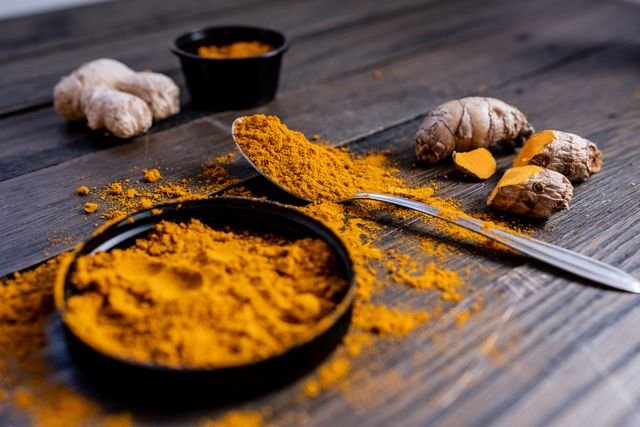
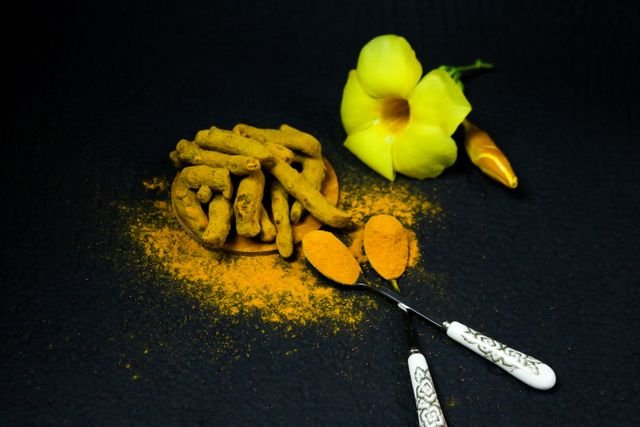
Turmeric (Curcuma longa) is a flowering plant in the ginger family. Its underground stem, known as a rhizome, is dried and ground into the yellow-orange spice commonly used in South Asian cuisine.
Turmeric contains several naturally occurring compounds, including curcuminoids. Curcumin is the best-known of these compounds and has been extensively investigated in laboratory and clinical research.
Although the terms are sometimes used interchangeably, turmeric and curcumin are not the same thing.
- Turmeric is the whole spice, containing curcumin and many other compounds.
- Curcumin is one specific bioactive compound found in turmeric.
- Curcuminoids are a group of related compounds that includes curcumin.
- Curcumin supplements may contain concentrated extracts, standardized curcuminoids, or formulations designed to increase absorption.
This distinction matters because a study of a concentrated curcumin supplement cannot automatically establish the effects of adding turmeric to everyday meals.
How Could Turmeric Support Healthy Aging?
Healthy aging involves maintaining physical function, cognitive health, independence, and quality of life as people grow older.
Aging is influenced by many interacting processes, including genetics, environmental exposures, metabolic health, immune function, physical activity, and nutrition.
Curcumin is being investigated because it may influence some biological pathways involved in these processes. The main areas of interest include oxidative stress, inflammation, and age-related changes in physical health.
1. Curcumin and Oxidative Stress
Oxidative stress occurs when the production of reactive molecules exceeds the body’s ability to manage them through antioxidant defenses and other protective mechanisms.
These reactive molecules also play normal roles in cell signaling. Problems can arise when their production and removal become unbalanced.
Oxidative stress is associated with cellular damage and several age-related conditions, although aging cannot be explained by oxidative stress alone.
Curcumin has demonstrated antioxidant activity in laboratory research. Scientists have investigated its ability to interact with reactive molecules and influence cellular defense pathways.
Human research has also examined whether curcumin-containing supplements affect biomarkers associated with oxidative stress.
A 2019 systematic review and meta-analysis of 15 randomized controlled trials found that curcumin supplementation reduced some measured markers of inflammation and oxidative stress, including interleukin-6, high-sensitivity C-reactive protein, and malondialdehyde. The analysis did not find significant improvements in every marker examined.
These findings suggest that curcumin may influence certain measurable biological processes. However, changes in biomarkers do not prove that a supplement slows biological aging or extends lifespan.
What this means: Curcumin is a promising subject for research into oxidative stress, but its potential role in healthy aging remains under investigation.
2. Turmeric and Chronic Inflammation
Inflammation is a normal immune response that helps the body respond to infection and tissue injury. It becomes a concern when inflammatory activity persists or is poorly regulated.
Persistent, low-grade inflammation is associated with several chronic conditions that become more common with age. Researchers sometimes describe this phenomenon as inflammaging.
Curcumin has been studied for its potential effects on inflammatory signaling pathways and mediators.
In clinical research, some curcumin formulations have been associated with changes in inflammatory biomarkers. However, the size and consistency of these effects vary across studies.
Differences in supplement formulations, doses, study populations, and trial methods make it difficult to draw a single conclusion about curcumin’s effects.
Furthermore, lowering a particular inflammatory marker does not necessarily mean that a person will develop fewer age-related diseases.
What this means: Curcumin may affect some inflammatory processes, but more high-quality research is needed to determine whether these effects translate into meaningful long-term health benefits.
3. Curcumin and Joint Health
Joint health is an important part of healthy aging because pain and reduced mobility can interfere with exercise, independence, and daily activities.
One of the more extensively investigated clinical applications of turmeric extracts is osteoarthritis, particularly osteoarthritis of the knee.
A 2021 systematic review and meta-analysis examined 16 randomized controlled trials involving up to 1,810 adults with knee osteoarthritis. The researchers reported improvements in knee pain and physical function compared with placebo. However, the studies varied considerably, and the overall evidence had limitations.
These results are relevant to healthy aging because maintaining mobility and physical function can support quality of life.
Nevertheless, the evidence concerns symptoms of a specific joint condition—not the aging process itself.
Curcumin has not been established as a treatment that regenerates cartilage, reverses joint aging, or prevents osteoarthritis from developing.
People experiencing persistent joint pain should seek appropriate medical assessment rather than relying on turmeric supplements alone.
4. Curcumin, Brain Health, and Cognitive Aging
Maintaining cognitive function is another important aspect of healthy aging.
Researchers have investigated curcumin in relation to neuroinflammation, oxidative stress, and biological processes associated with neurodegenerative conditions.
Some clinical studies have explored cognitive outcomes in adults taking curcumin-containing products. However, research findings are not sufficient to establish that turmeric supplements prevent dementia, Alzheimer’s disease, or age-related cognitive decline.
Curcumin’s absorption and distribution in the body also present challenges for research. A biological effect observed in a laboratory does not establish that an orally consumed product reaches the brain at an effective concentration.
At present, turmeric should not be considered a proven strategy for preventing neurodegenerative disease.
Established approaches to supporting long-term brain health include regular physical activity, adequate sleep, a balanced diet, management of cardiovascular risk factors, and appropriate treatment of existing health conditions.
5. Turmeric and Longevity
Longevity refers to lifespan, while healthy aging focuses on maintaining function and well-being throughout life.
Because curcumin has been investigated for its effects on oxidative stress and inflammation, it is sometimes marketed as a longevity supplement.
However, these proposed mechanisms must be distinguished from evidence of actual lifespan extension.
There is currently insufficient human evidence to conclude that consuming turmeric or taking curcumin supplements increases lifespan or slows the overall biological aging process.
Even if a compound affects a pathway associated with aging, this does not necessarily mean that it will improve healthspan or longevity in humans.
Researchers need larger, well-designed clinical trials with meaningful long-term outcomes to determine whether curcumin has a role in supporting healthy aging beyond its potential effects on specific symptoms or biomarkers.
Turmeric vs. Curcumin Supplements: Which Is Better for Healthy Aging?
Turmeric used in cooking and concentrated curcumin supplements provide different levels and forms of exposure.
| Feature | Culinary turmeric | Curcumin supplements |
|---|---|---|
| Composition | Contains curcumin and other natural compounds | May contain concentrated curcumin or curcuminoids |
| Typical use | Food and cooking | Supplementation for a targeted purpose |
| Absorption | Curcumin has relatively low oral bioavailability | Some products are designed to increase absorption |
| Evidence for slowing aging | Not established | Not established |
| Safety considerations | Common food use differs from high-dose exposure | Potential interactions and adverse effects require consideration |
Curcumin is not easily absorbed when taken orally, and the amount that reaches the bloodstream can vary considerably.
Some supplements combine curcumin with piperine, a compound found in black pepper, or use other technologies intended to improve absorption.
Improved absorption does not automatically mean improved long-term health outcomes. It may also increase exposure and the potential for adverse effects.
The U.S. National Center for Complementary and Integrative Health (NCCIH) notes that evidence is not sufficient to definitively establish turmeric or curcumin as beneficial for most health purposes. It also warns that some highly bioavailable formulations have been associated with liver injury.
For most people, using turmeric as part of a varied diet is a reasonable culinary choice. Taking a concentrated supplement specifically to slow aging is a different decision and should not be assumed to offer proven benefits.
How Can You Include Turmeric in a Healthy Diet?
Turmeric can be incorporated into everyday meals without treating it as a medicine.
Practical options include:
- Adding turmeric to lentil soup, vegetable dishes, or stews.
- Using it in curries and other spice blends.
- Combining it with beans, whole grains, and vegetables in balanced meals.
- Using small amounts to add flavor and color to homemade sauces.
- Including it as one ingredient in an overall varied eating pattern.
Black pepper is often combined with turmeric because piperine can increase curcumin absorption. However, increased absorption is not necessary to make turmeric a useful culinary spice, and concentrated turmeric or curcumin products should not be used casually to pursue higher exposure.
There is no established amount of turmeric or curcumin that has been proven to slow human aging.
Rather than focusing on a single ingredient, a healthy dietary pattern should include a variety of vegetables, fruits, legumes, whole grains, nuts, seeds, and appropriate protein sources.
Turmeric can contribute flavor and variety, but it cannot compensate for an otherwise unbalanced diet.
Is Turmeric Safe to Take Every Day?
Turmeric used in ordinary food amounts is different from concentrated supplements.
Oral turmeric and curcumin products may cause digestive side effects, including nausea, reflux, stomach upset, diarrhea, or constipation.
Some concentrated products designed to increase curcumin absorption have been associated with liver injury. The risk may depend on the formulation, exposure, and individual circumstances.
Before using a curcumin supplement, consider the following precautions:
- Medication interactions: Ask a healthcare professional or pharmacist to review potential interactions with your medications.
- Liver health: Seek medical advice before using concentrated products if you have liver disease or a history of liver problems.
- Pregnancy: Turmeric supplements may be unsafe during pregnancy, even though culinary use is different.
- Surgery or medical procedures: Tell your healthcare team about supplements you use, especially if you take medications that affect bleeding.
- Side effects: Stop taking a supplement and seek medical advice if you develop concerning symptoms.
Seek prompt medical advice if you experience possible signs of liver injury, such as dark urine, yellowing of the skin or eyes, unusual fatigue, loss of appetite, or persistent nausea.
A supplement should not replace prescribed treatment, and there is no proven anti-aging dose of curcumin.
What Does the Research Still Need to Establish?
Research into curcumin and healthy aging is ongoing, but several important questions remain.
First, scientists need to determine which formulations and doses produce consistent effects in humans. Different supplements can vary substantially in composition and absorption.
Second, researchers need to establish whether changes in inflammatory or oxidative stress biomarkers lead to improvements in outcomes that matter to people, such as mobility, cognitive function, independence, and quality of life.
Third, longer clinical trials are needed to understand the safety of regular supplementation and whether any benefits persist over time.
Finally, studies must distinguish between improvements in a specific health condition and genuine effects on the aging process itself.
Until these questions are answered, curcumin should be regarded as an interesting area of nutritional research rather than a proven longevity intervention.

The Bottom Line: Is Turmeric Good for Healthy Aging?
Turmeric contains curcumin, a compound with antioxidant and anti-inflammatory properties that has been investigated in laboratory studies and human clinical trials.
Some clinical evidence suggests that certain curcumin formulations may influence inflammatory biomarkers and may help relieve symptoms of knee osteoarthritis. However, results vary, and these findings do not prove that turmeric slows aging, prevents age-related disease, or extends lifespan.
Using turmeric in everyday cooking can be one part of a varied, balanced diet. Concentrated curcumin supplements require greater caution because their formulations, absorption, safety, and interactions can differ.
For healthy aging, the strongest practical approach remains a combination of regular physical activity, nutritious eating, adequate sleep, social connection, avoidance of tobacco, and appropriate preventive healthcare.
Turmeric may be worth studying as one component of this broader picture, but no single spice has been shown to stop the aging process.
FAQs
1. Does turmeric slow aging?
There is not enough human evidence to conclude that turmeric or curcumin slows biological aging. Research has examined antioxidant activity, inflammation, and certain age-related health outcomes, but these findings do not establish an anti-aging effect.
2. Is curcumin an anti-aging supplement?
Curcumin is being studied for its potential effects on biological processes associated with aging. However, it is not a proven anti-aging supplement, and no established dose has been shown to extend human lifespan.
3. Can turmeric reduce wrinkles?
There is insufficient clinical evidence that eating turmeric or taking curcumin supplements reduces wrinkles or reverses skin aging. Concentrated turmeric products and essential oils should not be applied to the skin without appropriate safety guidance.
4. Is turmeric better than curcumin?
Turmeric is the whole spice, whereas curcumin is one of its active compounds. Supplements can provide more concentrated amounts of curcumin, but higher concentration does not automatically mean greater health benefits.
5. Does turmeric help with inflammation?
Some clinical studies suggest that curcumin supplements may influence certain inflammatory biomarkers. However, results vary, and curcumin should not replace established medical treatment for inflammatory conditions.
6. Is it safe to drink turmeric water every day?
Turmeric-infused water is not a proven anti-aging treatment. Culinary amounts may be suitable for many people, but regular use of concentrated preparations or supplements requires more caution, particularly for people taking medication or those with liver problems.
7. Does curcumin improve brain health?
Researchers have investigated curcumin in relation to cognitive function and neuroinflammation. Current evidence is insufficient to establish that it prevents dementia or reliably prevents age-related cognitive decline.
8. Should older adults take curcumin supplements?
Not everyone needs a curcumin supplement. The decision depends on a person’s health, medications, goals, and the specific product. Older adults should discuss concentrated supplements with a healthcare professional, particularly when taking several medications.
9. Does turmeric increase lifespan?
There is no convincing human clinical evidence that turmeric or curcumin increases lifespan. Research into biomarkers or individual health conditions cannot be interpreted as proof of longer life.
10. What is the best natural approach to healthy aging?
A balanced dietary pattern, regular physical activity, adequate sleep, social connection, avoiding tobacco, and appropriate preventive healthcare have a stronger practical foundation than relying on a single supplement or spice.
Related Reading
- Clove for Anti-Aging: Benefits, Eugenol, and Scientific Evidence: Learn about eugenol and the limitations of current evidence for clove.
- Green Tea and Healthy Aging: Catechins, Antioxidants, and What Research Shows: Explore the next topic in this plant-compound series.
References
This article is for educational purposes only and is not a substitute for individualized medical advice. Evidence and safety information should be reviewed as research evolves.
Leave a Reply