
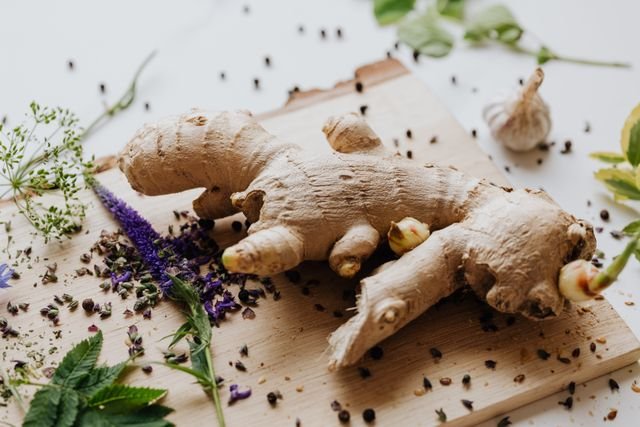
Ginger for healthy aging has attracted scientific interest because ginger contains bioactive compounds that may influence oxidative stress, inflammation, and other biological processes associated with age-related health. Its best-known compounds include gingerols, which are abundant in fresh ginger, and shogaols, which become more prominent when ginger is dried or heated.
But can ginger actually slow aging or help people live longer?
Research suggests that ginger and its compounds may influence certain inflammatory and oxidative stress markers. Some clinical studies have also investigated ginger supplements for joint pain and other health outcomes. However, these findings do not prove that ginger reverses aging, prevents age-related diseases, or extends human lifespan.
This article explores what scientists currently know about “is ginger good for anti-aging” , its active compounds, potential health benefits, and the limitations of the evidence.
What Is Ginger, and Why Is It Studied for Healthy Aging?
Ginger (Zingiber officinale) is a flowering plant whose underground stem, or rhizome, is widely used as a culinary spice. It is commonly consumed fresh, dried, powdered, or brewed into tea.
Ginger contains several bioactive compounds, including:
- Gingerols: Phenolic compounds found in fresh ginger, including 6-gingerol, one of the most extensively studied constituents.
- Shogaols: Compounds that can form from gingerols during drying or heating.
- Zingerone: A compound associated with the flavor and chemical profile of heated ginger.
- Other volatile compounds: Substances that contribute to ginger’s aroma and flavor.
Researchers study these compounds because laboratory experiments suggest that some may influence inflammatory signaling, oxidative processes, and cellular responses.
However, ginger is a complex food, and its composition varies with the plant variety, growing conditions, processing, and preparation method.
An effect observed with purified 6-gingerol or a concentrated extract does not necessarily occur to the same extent when someone drinks ginger tea or eats ginger in a meal.
How Could Ginger Support Healthy Aging?
Healthy aging involves maintaining physical function, mental well-being, independence, and quality of life as people grow older.
Aging is a complex process influenced by genetics, lifestyle, environmental exposures, nutrition, and many interconnected biological mechanisms.
Ginger is being investigated because some of its compounds may affect pathways relevant to these mechanisms. Three areas of particular interest are oxidative stress, inflammation, and physical function.
1. Ginger and Oxidative Stress
Oxidative stress occurs when reactive molecules overwhelm the body’s ability to regulate them through antioxidant defenses and other protective systems.
Although reactive molecules are involved in normal cellular signaling, excessive or poorly controlled oxidative activity can contribute to cellular damage.
Oxidative stress is associated with various age-related conditions, but it is only one part of the biology of aging.
Gingerols and shogaols have demonstrated antioxidant activity in laboratory studies. Researchers have investigated how these compounds interact with reactive molecules and influence cellular defense mechanisms.
Human research has also examined whether ginger supplementation affects markers associated with oxidative stress.
A 2020 systematic review and meta-analysis of clinical trials reported changes in several oxidative stress markers following ginger supplementation. However, studies differed in their methods, populations, doses, and interventions.
These findings provide a reason for further investigation, but they do not demonstrate that eating ginger prevents cellular aging in humans.
What the evidence means: Ginger contains compounds with antioxidant potential, but its effects on long-term human aging remain unproven.
2. Ginger and Chronic Inflammation
Inflammation is an essential part of the immune response. It helps the body respond to infection and injury. However, persistent low-grade inflammation is associated with several chronic conditions that become more common with age.
The term inflammaging is sometimes used to describe chronic, low-grade inflammation associated with aging.
Gingerols and shogaols have been investigated for their potential effects on inflammatory signaling pathways and mediators, including pathways involved in the production of inflammatory substances.
Human clinical research has also examined ginger supplements in relation to blood markers such as C-reactive protein (CRP) and tumor necrosis factor-alpha (TNF-α).
A 2020 systematic review and meta-analysis of 16 randomized controlled trials involving 1,010 participants found reductions in some inflammatory markers following ginger supplementation. The findings were not consistent across every marker, and substantial variation between studies limits how confidently the results can be generalized.
This distinction is important. A supplement may change a blood biomarker without necessarily preventing disease or improving long-term health.
What the evidence means: Ginger may influence certain inflammatory markers, but more research is needed to determine whether these effects translate into meaningful benefits for healthy aging.
3. Ginger and Joint Health
Maintaining mobility is an important part of healthy aging. Joint pain can make walking, exercising, and completing everyday activities more difficult.
Researchers have investigated ginger supplements as a complementary approach for people with osteoarthritis, particularly knee osteoarthritis.
A 2015 meta-analysis of five randomized placebo-controlled trials involving 593 participants reported modest improvements in pain and disability among people taking oral ginger compared with placebo. However, participants receiving ginger were also more likely to discontinue treatment because of adverse events.
A separate 2020 systematic review found that the available evidence was heterogeneous and generally limited by methodological quality.
Taken together, these studies suggest that ginger may have potential for some people with osteoarthritis, but the results are not definitive.
It is also important to distinguish joint symptom relief from slowing the aging process. Ginger has not been established as a treatment that regenerates cartilage, reverses joint aging, or prevents osteoarthritis.
Anyone experiencing persistent joint pain should seek appropriate medical advice rather than replacing prescribed treatment with ginger supplements.
4. Ginger and Metabolic Health
Metabolic health includes the body’s regulation of blood glucose, blood lipids, energy use, and related physiological processes.
Researchers have investigated ginger supplementation in people with various metabolic conditions, including type 2 diabetes and obesity.
Some studies have reported changes in selected metabolic or inflammatory markers. However, results vary, and the quality and design of the research differ.
It would be inaccurate to conclude that ginger prevents diabetes, treats metabolic disease, or protects against all age-related complications.
People with diabetes or other chronic conditions should not replace medication or established lifestyle interventions with ginger.
A balanced diet, regular physical activity, adequate sleep, and appropriate medical care remain important foundations of long-term metabolic health.
5. Ginger, Brain Health, and Longevity
Oxidative stress and inflammation have been investigated in relation to brain aging and neurodegenerative conditions. Because ginger compounds can influence some of these processes in experimental models, researchers have explored their potential relevance to brain health.
However, laboratory findings do not establish that ginger improves memory, prevents dementia, or protects against Alzheimer’s disease in humans.
Likewise, the fact that a compound affects a biological pathway associated with aging does not mean it extends lifespan.
There is currently insufficient human evidence to conclude that ginger supplementation prevents cognitive decline or increases longevity.
Research in these areas remains preliminary, and longer, well-designed clinical studies are needed.
Fresh Ginger vs. Dried Ginger: Does Preparation Matter?
The chemical composition of ginger changes with processing.
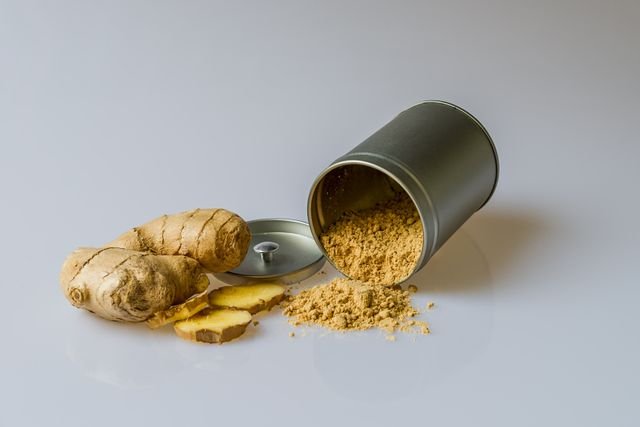
Fresh ginger generally contains gingerols, while drying and heating can change the relative amounts of gingerols, shogaols, and other compounds.
| Form | What to know |
|---|---|
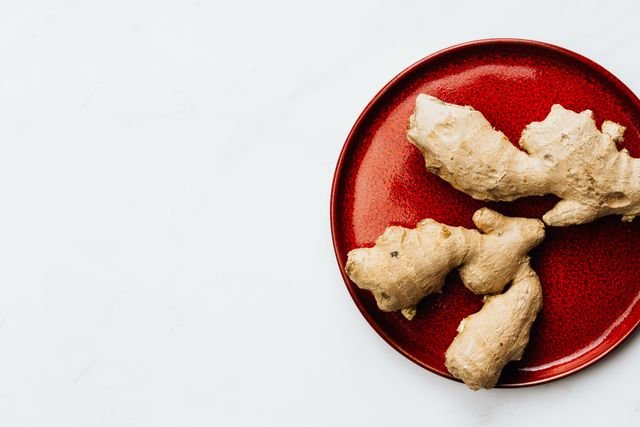
| Fresh ginger | Commonly used in meals, sauces, and beverages; contains gingerols. |
| Dried ginger | Has a different chemical profile, with changes in the relative abundance of some compounds. |
| Ground ginger | Convenient for cooking and baking; composition varies by product and processing. |
| Ginger tea | Provides a variable amount of ginger compounds depending on preparation. |
| Ginger supplements | May contain concentrated extracts or powdered ginger; formulations and doses vary. |
These differences matter when interpreting research. A trial involving a standardized extract cannot automatically predict the effects of fresh ginger in food.
There is also no established preparation method that has been shown to make ginger an effective anti-aging treatment.
For everyday use, choose the form you enjoy and can incorporate comfortably into your diet.
How Can You Include Ginger in a Healthy Diet?
Ginger can add flavor to meals and beverages without requiring concentrated supplements.
Practical ways to use it include:
- Adding freshly grated ginger to vegetable soups.
- Using ginger in stir-fries with vegetables, beans, tofu, fish, or other protein sources.
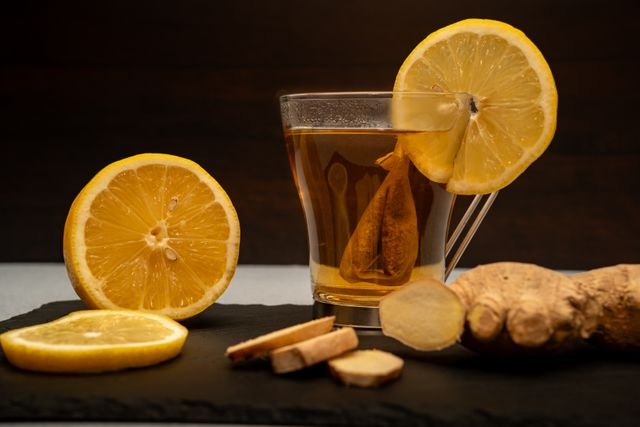
- Preparing ginger tea from fresh slices or a small amount of dried ginger.
- Adding ginger to homemade sauces and marinades.
- Combining ginger with fruits, vegetables, and whole grains in a varied dietary pattern.
Ginger tea can be enjoyed as a beverage, but it should not be regarded as a proven anti-aging drink.
There is no established amount of ginger that has been shown to slow human aging or extend lifespan.
Rather than relying on a single spice, focus on a balanced eating pattern that includes vegetables, fruits, legumes, whole grains, nuts, seeds, and suitable sources of protein.
Ginger can contribute flavor and variety, but it cannot compensate for an otherwise unbalanced diet.
Is Ginger Better Than Ginger Supplements?
The choice between culinary ginger and supplements depends on the intended purpose.
Using ginger in food is different from taking a concentrated product designed to deliver a larger amount of its bioactive compounds.
Supplements may be marketed for inflammation, joint health, or general wellness, but the evidence for one specific product cannot be generalized to every ginger supplement.
Before choosing a supplement, consider:
- The intended benefit: Evidence for a specific symptom does not establish a general anti-aging effect.
- The formulation: Products differ in their concentration, ingredients, and preparation.
- The dose: There is no proven ginger dose for slowing human aging.
- Medication use: Ginger products may interact with medicines, so professional advice may be appropriate.
- Product quality: Supplement composition and quality can vary between manufacturers.
Higher doses do not necessarily produce greater benefits. They may also increase the likelihood of side effects.
For most people, using ginger as a culinary ingredient is a practical way to enjoy its flavor without assuming that concentrated exposure is necessary for healthy aging.
Is Ginger Safe to Consume Every Day?
Ginger is widely used in food, and oral ginger products have been studied in clinical research. However, tolerance and safety depend on the amount consumed, the preparation, and the individual’s health circumstances.
Oral ginger can cause side effects such as:
- Abdominal discomfort.
- Heartburn or reflux.
- Diarrhea.
- Irritation of the mouth or throat.
Concentrated supplements deserve more consideration than ordinary culinary use.
If you take prescription medication, have a medical condition, or plan to use ginger supplements regularly, discuss them with a healthcare professional or pharmacist. This is particularly important during pregnancy, when breastfeeding, or when taking medicines that may interact with herbal products.
Ginger should not replace prescribed treatment, and persistent or severe symptoms require appropriate medical assessment.
What Does the Research Still Need to Establish?
Despite growing scientific interest, several questions about ginger and healthy aging remain unanswered.
First, researchers need to identify which ginger preparations and doses produce consistent effects in humans.
Second, changes in inflammatory or oxidative stress markers must be linked to outcomes that matter to people, such as mobility, daily function, quality of life, and long-term health.
Third, more rigorous clinical trials are needed to assess the safety and effectiveness of regular supplementation across different populations.
Finally, researchers must distinguish between potential benefits for specific symptoms and a genuine effect on the aging process itself.
A compound may have antioxidant activity, influence inflammatory pathways, or help with a particular symptom without extending lifespan.
For these reasons, ginger is best understood as a promising subject of nutritional research rather than a proven longevity intervention.
The Bottom Line: Is Ginger Good for Anti-Aging?
Ginger contains bioactive compounds, including gingerols and shogaols, that have demonstrated antioxidant and anti-inflammatory activity in experimental studies.
Some human clinical research suggests that ginger supplements may influence certain inflammatory markers and may provide modest benefits for specific symptoms, such as osteoarthritis-related pain. However, the available evidence has limitations, and results are not consistent across all outcomes.
There is not enough evidence to conclude that ginger slows biological aging, prevents age-related diseases, or extends human lifespan.
Including ginger in meals can be one part of a varied, balanced diet. Concentrated supplements require additional consideration because their composition, dose, safety, and potential interactions can differ.
For healthy aging, the most practical approach remains a combination of regular physical activity, nutritious eating, adequate sleep, social connection, avoidance of tobacco, and appropriate preventive healthcare.
Ginger may complement a healthy lifestyle, but no single spice has been shown to stop the aging process.
FAQs
1. Does ginger slow aging?
There is insufficient human evidence to conclude that ginger slows biological aging. Research has examined its effects on oxidative stress and inflammation, but these findings do not prove that ginger extends lifespan or reverses age-related changes.
2. What compounds in ginger are associated with healthy aging?
Gingerols, including 6-gingerol, and shogaols are among the best-studied bioactive compounds in ginger. Researchers have investigated their antioxidant and anti-inflammatory properties, although their effects on human aging remain uncertain.
3. Can ginger reduce inflammation?
Some clinical studies suggest that ginger supplementation may influence certain inflammatory markers. However, results vary, and ginger should not replace prescribed treatment for inflammatory or chronic conditions.
4. Is ginger good for joint pain as people age?
Some studies suggest that oral ginger supplements may modestly improve osteoarthritis-related pain. However, the evidence is limited, and ginger has not been shown to reverse joint damage or cure osteoarthritis.
5. Is fresh ginger better than dried ginger?
Fresh and dried ginger have different chemical profiles, including differences in the relative amounts of gingerols and shogaols. There is insufficient evidence to say that one form is better than the other for healthy aging.
6. Is ginger tea an anti-aging drink?
Ginger tea can be enjoyed as part of a balanced diet, but it has not been proven to slow aging or extend lifespan. The amount of bioactive compounds in the beverage varies with the preparation method.
7. Is it safe to take ginger supplements every day?
Safety depends on the product, dose, individual health, and medication use. Ginger can cause digestive side effects, and people taking medication should consult a healthcare professional before regular use of concentrated supplements.
8. Does ginger improve brain health?
Ginger compounds are being studied in relation to oxidative stress and inflammation, but there is not enough clinical evidence to conclude that ginger prevents dementia or age-related cognitive decline.
9. Can ginger increase longevity?
There is currently no convincing human evidence that ginger increases lifespan. Findings involving cellular pathways or biomarkers do not establish that a supplement helps people live longer.
10. What is the best way to use ginger for healthy aging?
Use ginger as a culinary ingredient if you enjoy it, and focus on a balanced diet, regular physical activity, adequate sleep, and appropriate preventive healthcare. No particular ginger preparation or dose has been established as an anti-aging treatment.
References
Medical disclaimer: This article is for educational purposes only and does not replace individualized medical advice. Research findings and product safety information should be reviewed as evidence evolves.
Leave a Reply