
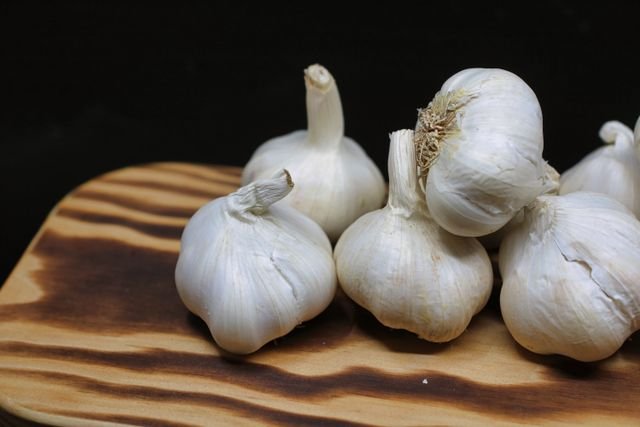
Garlic for anti aging is a topic of growing scientific interest because garlic contains sulfur-containing compounds that may influence cardiovascular health, oxidative stress, and inflammation. One of its best-known compounds, allicin, forms when fresh garlic is crushed or chopped.
Researchers have investigated ” Is garlic good for anti aging” and its preparations for potential effects on blood pressure, cholesterol, and other cardiovascular risk factors. These outcomes matter for healthy aging because cardiovascular health plays an important role in maintaining independence and quality of life.
But does garlic actually slow aging or help people live longer?
Current evidence suggests that some garlic preparations may modestly improve certain cardiovascular risk markers in some populations. However, these findings do not establish that garlic reverses biological aging, prevents all age-related diseases, or extends human lifespan.
Understanding the difference between promising research and proven anti-aging effects is essential when considering garlic as part of a healthy lifestyle.
What Is Garlic, and Why Is It Studied for Healthy Aging?
Garlic (Allium sativum) is a member of the Allium family, which also includes onions, leeks, and shallots. It has been used worldwide as a culinary ingredient and has a long history in traditional health practices.
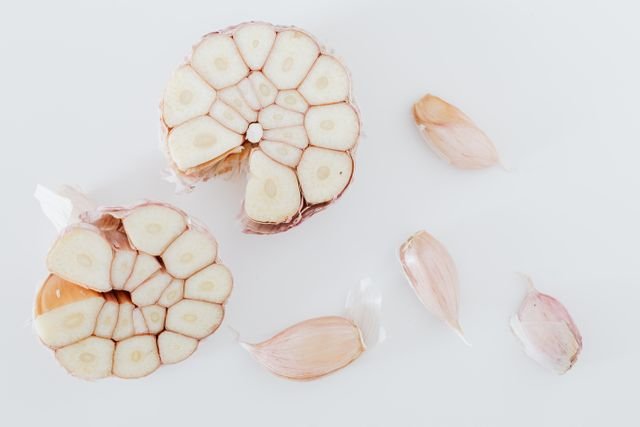
Garlic contains several sulfur-containing compounds that change when the cloves are cut, crushed, cooked, or processed.
Important compounds include:
- Alliin: A sulfur-containing compound naturally present in intact garlic.
- Allicin: A reactive compound produced when garlic tissue is damaged and the enzyme alliinase converts alliin.
- Ajoene: A sulfur-containing compound that can form during the transformation of garlic-derived compounds.
- S-allyl cysteine: A compound found in aged garlic preparations and commonly studied in research on aged garlic extract.
- Other organosulfur compounds: Substances that contribute to garlic’s chemical properties and potential biological effects.
These compounds are not interchangeable. Different garlic preparations can contain different amounts and types of sulfur-containing substances, which may affect their biological activity.
This distinction is important because research on aged garlic extract, garlic powder, or isolated allicin cannot automatically be applied to every form of garlic.
How Could Garlic Support Healthy Aging?
Healthy aging involves maintaining physical function, cardiovascular health, cognitive abilities, and quality of life as people grow older.
Garlic has attracted scientific attention because some of its compounds may influence biological processes associated with chronic disease risk.
The strongest clinical research in this area focuses on cardiovascular risk factors rather than direct measures of biological aging or lifespan.
1. Garlic and Cardiovascular Health
Cardiovascular health is a major component of healthy aging. High blood pressure, elevated cholesterol, and other cardiovascular risk factors can increase the likelihood of heart disease and stroke.
Researchers have investigated whether garlic supplements can influence some of these factors.
A 2026 systematic review and meta-analysis published in Nutrition Reviews included 108 randomized controlled trials involving 7,137 participants. The researchers reported modest average improvements in several measured cardiovascular and metabolic risk markers, including total cholesterol, LDL cholesterol, triglycerides, and blood pressure.
However, the trials differed in their participants, garlic preparations, doses, and duration. The findings should therefore be interpreted as evidence about selected risk markers, not proof that garlic prevents cardiovascular events or extends lifespan.
The results also do not mean that eating a particular amount of fresh garlic will produce the same effects as taking a standardized supplement.
What the evidence means: Some garlic preparations may support improvements in selected cardiovascular risk factors, but garlic should not replace established prevention or treatment strategies.
2. Garlic, Blood Pressure, and Healthy Aging
Blood pressure is an important factor in long-term cardiovascular health.
Persistently elevated blood pressure increases the risk of stroke, heart disease, and other complications. Managing blood pressure is therefore an important part of maintaining health throughout adulthood.
Clinical trials have examined garlic supplements, particularly aged garlic extract, for their potential effects on blood pressure.
A 2025 systematic review and meta-analysis of 19 clinical trials reported that aged garlic supplementation was associated with an average reduction in systolic blood pressure of approximately 2.5 mmHg. The researchers also reported a modest reduction in LDL cholesterol. The effects were not statistically significant for every blood pressure or lipid outcome.
These findings suggest that aged garlic preparations may influence certain cardiovascular risk factors, although the size of the effects varies.
Garlic is not a substitute for blood pressure medication. People with hypertension should continue their prescribed treatment and discuss any supplement use with their healthcare professional.
What the evidence means: Garlic supplements may offer modest additional effects on blood pressure in some populations, but more research is needed to establish their long-term clinical significance.
3. Garlic and Cholesterol Levels
Cholesterol is necessary for normal body functions, but elevated LDL cholesterol is an established risk factor for atherosclerotic cardiovascular disease.
Garlic has been investigated for its potential effects on total cholesterol, LDL cholesterol, HDL cholesterol, and triglycerides.
The 2026 meta-analysis of randomized controlled trials reported modest average improvements in several lipid markers among participants receiving garlic interventions. However, the effects varied across outcomes and study populations.
Several factors make these findings difficult to translate directly into everyday recommendations:
- Different studies used different garlic preparations.
- Supplement doses and treatment periods varied.
- Participants had different baseline cholesterol levels and health conditions.
- Changes in cholesterol measurements do not automatically establish a reduction in heart attacks or strokes.
It is also important to distinguish between a change in a laboratory measurement and a clinically meaningful improvement in long-term health.
What the evidence means: Garlic may influence certain lipid measurements, but it should not replace cholesterol-lowering medication or other evidence-based cardiovascular interventions when these are indicated.
4. Garlic, Antioxidants, and Oxidative Stress
Oxidative stress occurs when reactive molecules overwhelm the body’s ability to regulate them through antioxidant defenses and other protective mechanisms.
Oxidative stress is associated with cellular damage and several chronic health conditions. However, aging is a complex process and cannot be explained by oxidative stress alone.
Garlic-derived compounds have demonstrated antioxidant-related activity in experimental research. Scientists have investigated how these compounds interact with cellular processes and influence redox balance.
Human studies have also examined whether garlic supplementation affects measured markers associated with oxidative stress.
The 2026 meta-analysis reported improvements in some oxidative stress markers among participants receiving garlic interventions. Nevertheless, results for individual markers were not uniform.
Changes in a biomarker do not necessarily mean that a person experiences less cellular aging, develops fewer chronic diseases, or lives longer.
What the evidence means: Garlic contains compounds that may influence oxidative stress, but evidence of antioxidant activity is not proof of an anti-aging effect in humans.
5. Garlic and Inflammation
Inflammation is an essential part of the immune response. It helps the body respond to infection and injury, but persistent low-grade inflammation is associated with several chronic diseases.
Researchers have investigated whether garlic-derived compounds affect inflammatory signaling and measurable inflammatory markers.
Some clinical studies and meta-analyses have reported changes in markers such as C-reactive protein and tumor necrosis factor-alpha following garlic supplementation. However, findings differ between studies and markers.
These results are scientifically interesting because chronic inflammation is associated with various aspects of age-related disease.
Nevertheless, garlic has not been established as a treatment for chronic inflammatory conditions, and changes in inflammatory markers do not prove that it slows biological aging.
What the evidence means: Garlic may influence some inflammatory processes, but more research is needed to determine whether these effects produce meaningful long-term health benefits.
6. Garlic and Brain Health
Brain health is an important component of healthy aging because cognitive function influences independence, communication, and quality of life.
Researchers have investigated garlic-derived compounds in relation to oxidative stress, inflammation, and biological pathways that may be relevant to neurological health.
However, much of this research remains experimental.
There is insufficient clinical evidence to conclude that consuming garlic or taking garlic supplements prevents dementia, Alzheimer’s disease, or age-related cognitive decline.
A potential effect on oxidative stress or inflammation does not establish a direct benefit for memory or brain function.
For long-term brain health, more established approaches include regular physical activity, adequate sleep, a balanced diet, social engagement, and appropriate management of cardiovascular risk factors.
What the evidence means: Garlic is not a proven treatment for cognitive decline or a substitute for established strategies to support brain health.
7. Can Garlic Increase Longevity?
Longevity refers to lifespan, while healthy aging focuses on maintaining physical and mental function throughout life.
Garlic is sometimes promoted as a longevity food because researchers have investigated its antioxidant, anti-inflammatory, and cardiovascular effects.
However, improving a cardiovascular risk marker is not the same as demonstrating that a food extends lifespan.
There is currently insufficient human evidence to conclude that garlic increases longevity, reverses biological aging, or prevents the full range of age-related diseases.
Long-term studies would need to demonstrate meaningful improvements in outcomes such as cardiovascular events, disability, or mortality before strong longevity claims could be justified.
For now, garlic is best considered a potentially useful food within a broader healthy dietary pattern, rather than a proven anti-aging intervention.
Fresh Garlic vs. Aged Garlic Extract: What Is the Difference?
The type of garlic preparation matters because processing changes its chemical composition.
| Form | Main characteristics | Important consideration |
|---|---|---|
| Fresh garlic | Contains alliin and enzymes involved in allicin formation | The amount and availability of compounds change after crushing and cooking. |
| Crushed garlic | Produces allicin when the tissue is damaged and the relevant enzyme is active | Allicin is reactive and unstable, so exposure varies with preparation and storage. |
| Cooked garlic | Heating changes the composition of sulfur-containing compounds | Its chemical profile differs from that of freshly crushed garlic. |
| Garlic powder | A processed product with composition influenced by manufacturing | Products differ in their ability to release active compounds. |
| Aged garlic extract | Produced through a controlled aging process and contains a different profile of sulfur compounds | Research on this preparation should not be generalized to all garlic products. |
| Garlic oil | Contains a different mixture of compounds from fresh garlic and aged extracts | It should not be assumed to provide the same effects as other preparations. |
Allicin is formed when garlic tissue is damaged, allowing alliin and the enzyme alliinase to interact. The resulting compound is chemically reactive and can transform into other substances.
Consequently, the amount of allicin available from a garlic preparation depends on factors such as processing, storage, and the conditions under which the product is consumed.
This helps explain why results from one garlic preparation cannot automatically be applied to another.
How Can You Include Garlic in a Healthy Diet?
Garlic is widely used in cooking and can add flavor to many dishes.
Practical ways to include it in meals include:
- Adding garlic to vegetable soups and stews.
- Using garlic in sauces and homemade dressings.
- Combining garlic with beans, lentils, and other legumes.
- Adding garlic to roasted vegetables.
- Using garlic in marinades for fish, poultry, tofu, or other protein sources.
- Combining garlic with herbs, spices, and lemon to add flavor to meals.
Garlic can be part of a varied dietary pattern that includes vegetables, fruits, legumes, whole grains, nuts, seeds, and appropriate sources of protein.
However, eating more garlic does not necessarily produce greater health benefits. There is no established amount of garlic that has been proven to slow human aging.
Rather than relying on a single ingredient, focus on overall dietary quality and other habits that support long-term health.
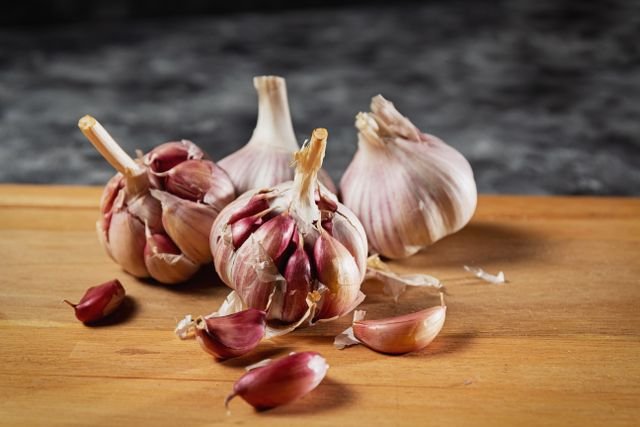
Is It Better to Eat Raw Garlic?
Raw garlic and cooked garlic have different chemical profiles.
Crushing fresh garlic can promote allicin formation, while heating changes the activity of enzymes and the composition of sulfur-containing compounds.
However, this does not establish that raw garlic is universally better for health than cooked garlic.
The effects of garlic depend on the preparation, the amount consumed, individual tolerance, and the health outcome being studied.
Raw garlic may also cause digestive discomfort or irritation, particularly when consumed in large quantities.
There is no strong clinical evidence that eating raw garlic is necessary for healthy aging or that it produces better long-term outcomes than using garlic in ordinary cooking.
The most practical approach is to use garlic in ways that suit your preferences and digestive tolerance.
Is Garlic Safe to Consume Every Day?
Garlic used in ordinary food amounts is different from concentrated garlic supplements.
Garlic can cause side effects, including:
- Bad breath and body odor.
- Abdominal discomfort.
- Gas or flatulence.
- Nausea.
- Allergic reactions in some people.
Concentrated supplements require additional consideration because they may contain amounts of garlic-derived compounds that differ substantially from ordinary food portions.
The National Center for Complementary and Integrative Health notes that garlic supplements may increase the risk of bleeding. This is particularly important for people taking anticoagulants, aspirin, or other medicines that affect blood clotting, as well as people preparing for surgery.
Before taking a garlic supplement regularly, consider the following precautions:
- Medication interactions: Ask a healthcare professional or pharmacist to review your medications and supplements.
- Surgery: Inform your healthcare team about garlic supplements before a planned procedure.
- Pregnancy and breastfeeding: Medicinal amounts beyond those found in food may not be safe.
- Digestive sensitivity: Large amounts of raw garlic or concentrated products may cause discomfort.
- Existing medical conditions: Seek professional advice before using supplements to manage a health condition.
Garlic supplements should not replace prescribed treatment for hypertension, high cholesterol, diabetes, or cardiovascular disease.
What Does the Research Still Need to Establish?
Research into garlic and cardiovascular health has grown considerably, but important questions remain.
First, researchers need to determine which preparations, doses, and treatment durations produce the most reliable effects.
Second, studies need to establish whether changes in blood pressure, cholesterol, and inflammatory markers translate into meaningful reductions in cardiovascular events or other long-term outcomes.
Third, more research is needed to clarify the safety of regular supplementation, particularly among people taking medication or living with chronic health conditions.
Finally, scientists need to distinguish between supporting cardiovascular health and slowing the aging process itself.
Garlic may influence selected cardiovascular risk factors, but this does not establish that it prevents dementia, reverses cellular aging, or extends lifespan.
These distinctions are essential for accurate health communication and evidence-based recommendations.
The Bottom Line: Is Garlic Good for Anti Aging?
Garlic contains sulfur-containing compounds, including allicin and S-allyl cysteine, that have attracted scientific interest because of their potential biological effects.
Clinical research suggests that some garlic preparations may modestly improve selected cardiovascular risk factors, including blood pressure and cholesterol measurements. Experimental studies have also investigated garlic-derived compounds in relation to oxidative stress and inflammation.
However, the evidence does not establish that garlic reverses aging, prevents all age-related diseases, or extends human lifespan.
Using garlic in everyday cooking is a practical way to add flavor to a varied, balanced diet. Concentrated supplements require more caution because their composition, effects, and potential interactions differ from those of culinary garlic.
For healthy aging, the strongest practical approach remains a combination of nutritious eating, regular physical activity, adequate sleep, social connection, avoidance of tobacco, and appropriate preventive healthcare.
Garlic can be one component of this broader approach, but no single food has been shown to stop the aging process.
FAQs
1. Does garlic slow aging?
There is insufficient human evidence to conclude that garlic slows biological aging. Some studies suggest that garlic preparations may improve selected cardiovascular risk factors, but these findings do not prove that garlic extends lifespan or reverses age-related changes.
2. What is allicin, and why is it important?
Allicin is a reactive sulfur-containing compound that forms when fresh garlic tissue is damaged. It has been studied for several biological effects, but laboratory findings do not establish that consuming allicin slows aging in humans.
3. Is garlic good for heart health?
Some clinical studies suggest that garlic supplements may modestly improve selected cardiovascular risk factors, including blood pressure and cholesterol. Garlic should not replace prescribed medication or established cardiovascular prevention strategies.
4. Can garlic lower blood pressure?
Some studies of garlic supplements, including aged garlic extract, have reported modest reductions in blood pressure. Results vary, and garlic is not a substitute for prescribed treatment of hypertension.
5. Can garlic lower cholesterol?
Research suggests that some garlic preparations may modestly improve total cholesterol, LDL cholesterol, or triglycerides. The size of the effects varies, and garlic should not replace cholesterol-lowering treatment when it is medically indicated.
6. Is raw garlic better than cooked garlic?
Raw and cooked garlic have different chemical profiles. Crushing fresh garlic promotes allicin formation, while heating changes the composition of its sulfur-containing compounds. There is insufficient evidence to conclude that raw garlic produces better long-term health outcomes than cooked garlic.
7. Is aged garlic extract the same as fresh garlic?
No. Aged garlic extract is produced through a controlled aging process and contains a different profile of compounds. Findings from studies of aged garlic extract cannot automatically be applied to fresh garlic or other supplements.
8. Can garlic prevent dementia?
There is insufficient clinical evidence to conclude that garlic prevents dementia or Alzheimer’s disease. Garlic should not be considered a treatment for cognitive decline.
9. Are garlic supplements safe to take every day?
Safety depends on the product, dose, individual health, and medication use. Garlic supplements may increase bleeding risk, particularly when combined with anticoagulants or aspirin. Consult a healthcare professional before regular supplementation.
10. What is the best way to use garlic for healthy aging?
Use garlic in meals if you enjoy it, and focus on a broader healthy lifestyle that includes balanced nutrition, regular physical activity, adequate sleep, and appropriate preventive care. No particular garlic preparation or dose has been established as an anti-aging treatment.
Related Article
References
Medical disclaimer: This article is for educational purposes only and does not replace individualized medical advice. Research findings and supplement safety information should be reviewed as evidence evolves.
Leave a Reply