
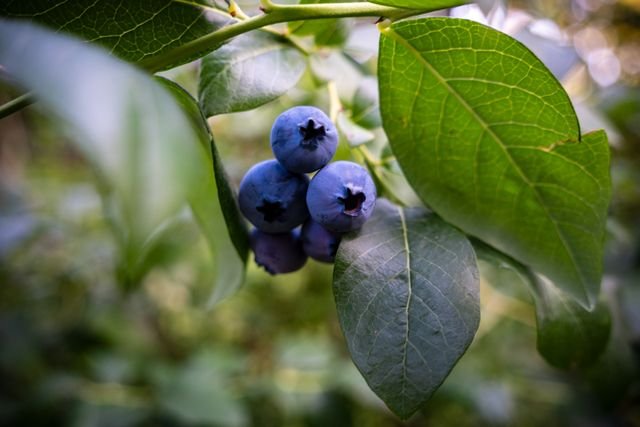
Are Berries Good for Healthy Aging?
Berries for healthy aging by providing fiber, vitamins, and plant compounds called polyphenols, including anthocyanins. Research suggests that some berry compounds may help support blood vessel function and could benefit certain aspects of cognitive performance. However, results from human studies are mixed, and berries have not been proven to prevent aging, dementia, or age-related disease.
Blueberries, strawberries, blackberries, raspberries, and blackcurrants can all be part of a balanced eating pattern. Their potential benefits are best understood as one part of a healthy lifestyle, not as a substitute for medical care or a guaranteed way to live longer.
What Makes Berries Interesting for Healthy Aging?
Berries contain a combination of nutrients and bioactive plant compounds that may contribute to health in different ways.
1. Anthocyanins
Anthocyanins are natural pigments responsible for the red, purple, and blue colors of many berries. They belong to a broader group of plant compounds known as polyphenols.
Anthocyanins have attracted scientific interest because laboratory and early human research suggests they may influence processes related to oxidative stress, inflammation, and blood vessel function.
However, a biological effect observed in a laboratory does not automatically translate into a meaningful health benefit in people. Researchers still need larger and longer clinical trials to determine which effects are reliable, who may benefit, and what amounts are relevant.
2. Other polyphenols
Berries contain additional polyphenols, including flavonols and phenolic acids. The types and amounts vary depending on the berry species, growing conditions, ripeness, and processing.
These compounds may interact with multiple biological pathways. Their effects are not necessarily explained by one antioxidant mechanism, and the body processes many of them differently from how they behave in laboratory experiments.
3. Fiber and essential nutrients
Berries also provide dietary fiber, vitamin C, and other nutrients. Fiber supports digestive health and can contribute to a balanced dietary pattern.
This matters because healthy aging depends on more than individual plant compounds. Overall dietary quality, physical activity, sleep, smoking status, and management of chronic conditions all influence long-term health.
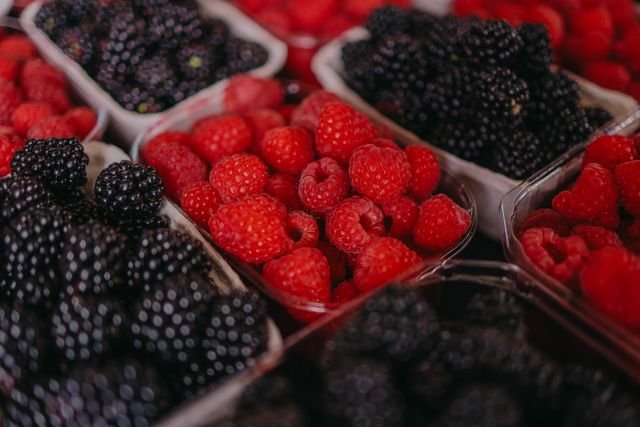
How Might Berries Support Healthy Aging?
Researchers have investigated berries in relation to several aspects of health. The strength of evidence differs by outcome.
1. Blood vessel function and cardiovascular health
Healthy blood vessels help deliver oxygen and nutrients throughout the body. As people age, cardiovascular risk factors can affect the function of blood vessels and increase the risk of heart disease and stroke.
Some clinical research suggests that berry-derived polyphenols may support vascular function. A 2026 systematic review and meta-analysis of 14 randomized controlled trials involving 632 participants found that blueberry interventions improved flow-mediated dilation, a measure of how blood vessels respond to increased blood flow.
However, the same analysis did not find significant improvements in systolic or diastolic blood pressure. The findings suggest a possible benefit for one measure of vascular function, but they do not establish that blueberries prevent heart attacks, strokes, or other cardiovascular events.
What this means: Including berries in a heart-healthy eating pattern is reasonable, but berries should not replace prescribed medication, blood pressure management, or other evidence-based cardiovascular care.
2. Brain health and cognitive function
Memory, attention, and processing speed can change with age. Researchers are investigating whether berry polyphenols may influence some of these functions.
A systematic review published in 2025 examined nine randomized controlled trials involving 513 older adults with mild cognitive impairment or subjective cognitive decline. The review reported improvements in certain memory measures among participants consuming blueberries, although benefits were not seen across all cognitive outcomes.
Other research has produced less encouraging results. A 2026 randomized controlled trial involving 57 cognitively healthy older adults tested freeze-dried blueberry powder for 24 weeks. It found no significant effect on two blood biomarkers associated with neurological injury and no significant improvement in the cognitive tests used in the study. Diastolic blood pressure decreased, but the trial was small and the result needs further investigation.
These differences highlight an important point: results may depend on participants’ health, the type and amount of berries used, the duration of the intervention, and the tests researchers choose.
What this means: Berries may have potential as part of a dietary pattern that supports brain health, but there is not enough evidence to recommend them as a treatment for memory problems or as a proven way to prevent dementia.
3. Oxidative stress and inflammation
Oxidative stress occurs when the production of reactive molecules exceeds the body’s ability to manage them. Inflammation is a normal part of the immune response, but persistent, dysregulated inflammation is associated with several chronic conditions.
Anthocyanins and other berry polyphenols are studied for their possible influence on pathways involved in oxidative stress and inflammation.
Still, the term antioxidant can be misleading when applied to foods. A compound that neutralizes reactive molecules in a laboratory may be absorbed, metabolized, and distributed differently in the human body.
Researchers therefore need to measure meaningful outcomes in people rather than assuming that a food’s laboratory antioxidant activity proves it can slow aging.
What this means: Eating a variety of berries can contribute to a nutrient-rich diet, but claims that berries remove toxins, reverse cellular aging, or prevent age-related disease go beyond the available evidence.

4. Metabolic health
Researchers are also studying whether berry consumption affects markers such as blood glucose, insulin response, and blood lipids.
Some studies have reported favorable changes in selected metabolic markers, while others have found limited or inconsistent effects. Results can differ according to the berry product, serving size, study duration, and participants’ baseline health.
Whole berries also provide fiber and can be a practical alternative to desserts and snacks with large amounts of added sugar. However, eating berries alone is not a treatment for diabetes or high cholesterol.
People managing these conditions should follow their individualized nutrition and medical plans.
Which Berries Are Best for Healthy Aging?
There is no single berry proven to be the best choice for longevity. Different berries contain different combinations of nutrients and polyphenols, so variety is a practical approach.
| Berry | Notable components | Practical consideration |
|---|---|---|
| Blueberries | Anthocyanins, fiber, vitamin C | Frequently studied for vascular and cognitive outcomes |
| Blackberries | Anthocyanins, fiber, vitamin C | A source of fiber and dark-colored plant compounds |
| Raspberries | Fiber, vitamin C, polyphenols | Provide substantial fiber relative to their energy content |
| Strawberries | Vitamin C, fiber, polyphenols | An accessible option for everyday meals |
| Blackcurrants | Anthocyanins, vitamin C | Rich in dark-colored pigments and often used in research on berry polyphenols |
The nutritional composition of each berry varies with variety, growing conditions, ripeness, storage, and processing. This table is a practical comparison, not a ranking of proven anti-aging effects.
Fresh, Frozen, or Freeze-Dried: Which Is Better?
You do not need to buy expensive supplements or fresh berries every day to include berries in a healthy diet.
Fresh berries
Fresh berries are convenient when they are in season and available at a reasonable price. Wash them under running water before eating.
Frozen berries
Plain frozen berries are often a convenient, economical option. Freezing can preserve much of their nutritional value, although the exact amount of individual compounds varies by product and storage conditions.
Check the ingredient list and choose products without added sugar when possible.
Freeze-dried berries
Freeze-dried berries are lightweight and can be added to oatmeal, yogurt, or other foods. However, because much of their water has been removed, a small serving may represent a larger quantity of fruit than it appears to.
Do not assume that a berry powder or concentrated extract provides the same effects as eating whole berries. Products can differ considerably in composition and dosage.
Berry juice and sweetened products
Juices, sweetened dried berries, syrups, and desserts can contain less fiber or more added sugar than whole fruit. They can still fit into some eating patterns, but whole or frozen berries without added sugar are generally a straightforward everyday choice.
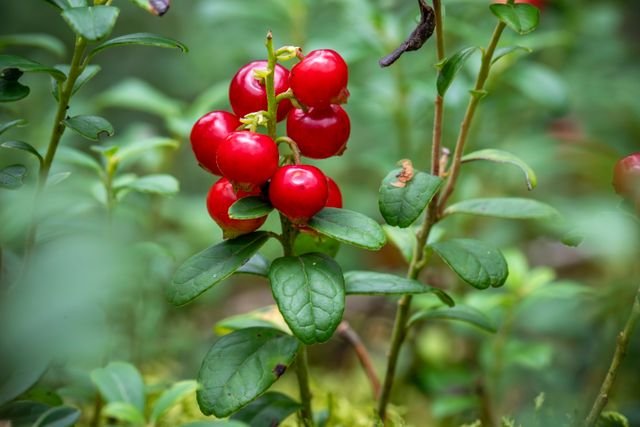
How Can You Add Berries to Your Daily Diet?
A sustainable eating habit is more useful than pursuing a perfect food or a complicated supplement routine.
Try these simple options:
- Add berries to oatmeal or unsweetened yogurt at breakfast.
- Combine berries with nuts or seeds for a snack.
- Mix frozen berries into a smoothie without adding large amounts of sugar.
- Add fresh berries to a fruit bowl for dessert.
- Use berries to add natural sweetness to meals instead of relying on sugary toppings.
There is no universally established serving of berries specifically for anti-aging. Choose an amount that fits your appetite, dietary needs, budget, and overall eating pattern.
If you have a condition requiring individualized dietary guidance, follow the advice of your healthcare professional.
Are Berry Supplements Better Than Whole Berries?
Not necessarily. Supplements may contain concentrated extracts, but their composition and doses can differ significantly from those of whole fruit.
A supplement’s label may highlight a particular polyphenol or antioxidant measurement without demonstrating that the product improves a meaningful health outcome. Evidence from studies of whole berries also cannot automatically be applied to a concentrated extract.
Before using a berry supplement, consider:
- Whether clinical studies support the specific product or ingredient.
- Whether the dose is clearly stated and appropriate.
- Whether the product has independent quality testing.
- Whether it could interact with medications or affect an existing health condition.
If you take prescription medication, are pregnant or breastfeeding, or have a chronic medical condition, ask a qualified healthcare professional before starting concentrated supplements.
For most people, whole berries are a sensible starting point because they provide fiber and a range of nutrients alongside their plant compounds.
What Is the Best Way to Use Berries for Healthy Aging?
The most evidence-aligned approach is to treat berries as one component of a broader healthy lifestyle.
For example, a balanced routine can include:
- Eating a variety of fruits, vegetables, legumes, whole grains, nuts, and other nutrient-rich foods.
- Engaging in regular physical activity suited to your abilities.
- Getting adequate, consistent sleep.
- Avoiding smoking and limiting other harmful exposures.
- Managing blood pressure, blood glucose, and cholesterol when needed.
- Maintaining social connections and seeking medical advice for persistent health concerns.
No single food can compensate for every other lifestyle factor. Berries may contribute useful nutrients and bioactive compounds, but long-term health depends on the overall pattern.
For a broader overview of how plant foods fit into healthy aging, read Natural Anti-Aging: Plant-Based Compounds for Healthy Aging. You can also explore our related articles on turmeric and curcumin, ginger and gingerols, and rosemary and healthy aging.
Conclusion
Berries are nutrient-rich fruits that provide fiber, vitamins, anthocyanins, and other polyphenols. Research suggests possible benefits for vascular function and certain aspects of cognitive performance, but findings are mixed and more high-quality human studies are needed.
The practical takeaway is simple: include a variety of berries in your regular eating pattern if you enjoy them and can access them. Choose whole or frozen options without added sugar when possible, and avoid treating berry extracts as proven anti-aging treatments.
Healthy aging is supported by consistent habits over time, not by a single food or supplement.
FAQ
1. Do berries slow down aging?
Berries contain nutrients and polyphenols that are being studied for their potential roles in vascular, metabolic, and cognitive health. However, there is no conclusive evidence that eating berries slows the overall aging process or extends human lifespan.
2. Which berry is best for anti-aging?
No berry has been established as the best anti-aging food. Blueberries have been studied in clinical trials involving vascular function and cognitive performance, while other berries also provide useful nutrients and polyphenols. Eating a variety is a reasonable approach.
3. Can blueberries improve memory?
Some clinical studies and reviews have reported improvements in certain memory measures, particularly in some older adults. Other trials have found no significant improvement in cognitive tests. Blueberries should not be considered a proven treatment for memory loss or dementia.
4. Are frozen berries as healthy as fresh berries?
Plain frozen berries can be a nutritious alternative to fresh berries. Freezing may preserve many nutrients, although the exact composition varies. Choose products without added sugar when possible.
5. Do berry supplements provide more benefits than whole fruit?
Not necessarily. Supplements may contain concentrated extracts, but their ingredients, doses, and evidence of effectiveness vary. Whole berries also provide fiber and a range of nutrients, making them a practical choice for most people.
6. How many berries should I eat each day for healthy aging?
There is no established daily serving specifically for anti-aging. You can include berries as one of the fruits in a balanced diet, adjusting the amount to your nutritional needs and preferences.
7. Can berries prevent heart disease or dementia?
Current evidence does not establish that berries alone prevent heart disease or dementia. Some studies suggest potential benefits for specific health measures, but these findings do not prove disease prevention. Berries are best viewed as part of an overall healthy lifestyle.
Leave a Reply