
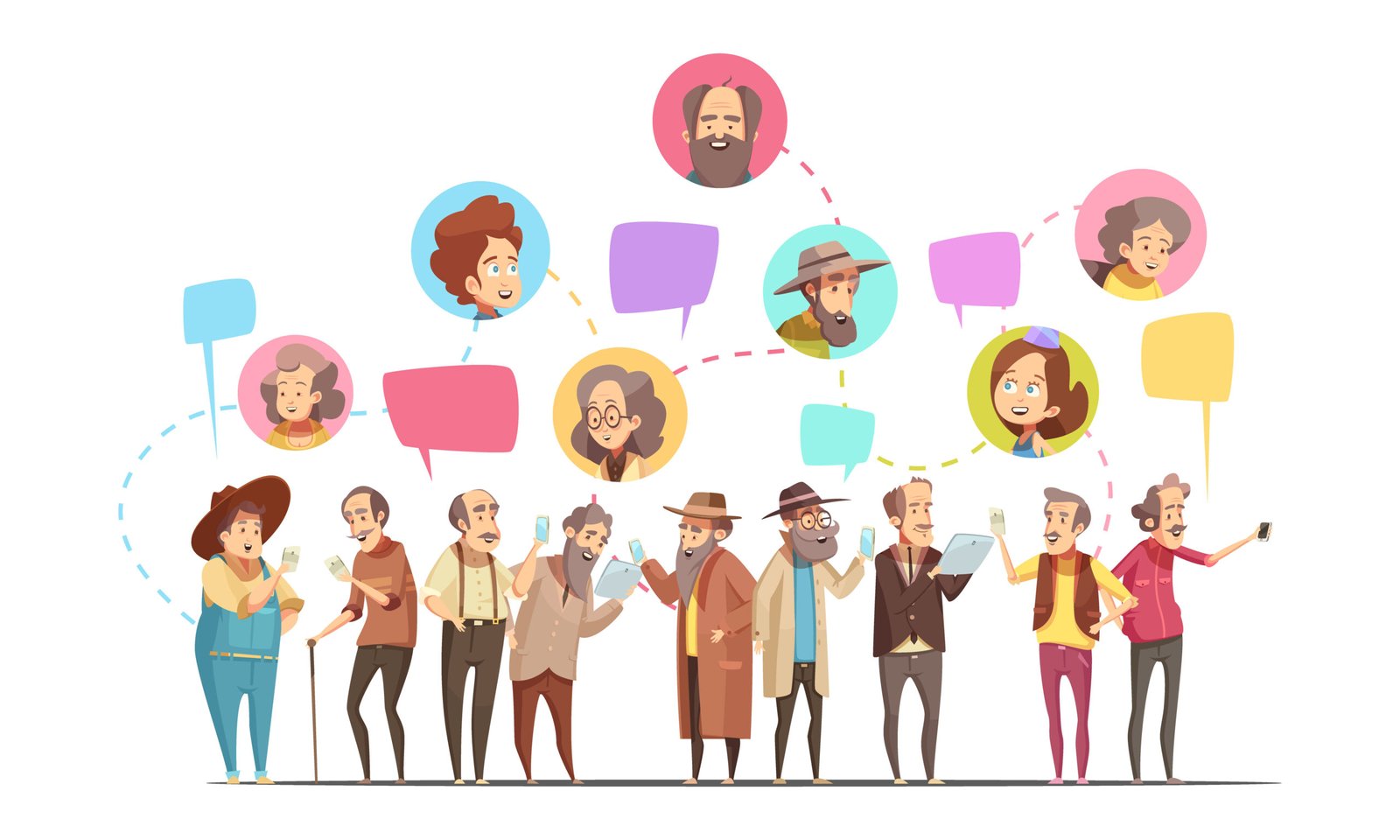
As we move into adulthood, building and maintaining strong social connections often becomes more challenging. Busy schedules, career pressures, family responsibilities, relocation, and digital lifestyles can gradually reduce meaningful human interaction. Yet, humans are inherently social beings, and strong social connections are essential for mental health, emotional resilience, physical well-being, and even longevity.
Research consistently shows that adults with healthy social relationships experience lower stress levels, reduced risk of depression, better heart health, and improved cognitive function. Social connection is not a luxury, it is a core pillar of a healthy life.
The good news is that it’s never too late to strengthen your social life. Whether you feel socially isolated, want deeper relationships, or simply wish to expand your circle, intentional steps can help you build meaningful connections at any stage of adulthood.
This article explores 8 positive, practical steps to help you build and maintain strong social connections in adulthood, without pressure, overwhelm, or unrealistic expectations.
Shift Your Mindset About Adult Friendships
One of the biggest barriers to social connection in adulthood is mindset. Many adults believe that friendships should happen naturally, as they did in childhood or college. In reality, adult relationships often require intentional effort and patience.
It’s normal for friendships to evolve more slowly in adulthood. People have different schedules, priorities, and emotional capacities. Letting go of the expectation of instant closeness allows relationships to develop organically and sustainably.
Instead of asking, “Why is this so hard?” try reframing it to, “How can I create space for connection in my current life?” This mindset shift reduces frustration and opens the door to healthier social interactions.

Invest in Existing Relationships
Building strong social connections doesn’t always mean finding new people. Often, the most meaningful relationships already exist but need attention.
Reaching out to old friends, colleagues, neighbors, or extended family members can reignite valuable connections. A simple message, call, or invitation can go a long way.
Small, consistent efforts matter more than grand gestures:
- Checking in regularly
- Remembering important dates
- Being present and attentive
- Offering support during difficult times
Strong relationships are built through reliability, trust, and emotional availability, not constant contact.
Create Connection Through Shared Activities
One of the most effective ways to build social connections in adulthood is through shared interests and activities. When people come together around a common goal or passion, conversation flows more naturally and bonds form more easily.
Examples include:
- Exercise classes or walking groups
- Book clubs or writing groups
- Volunteering
- Cooking or art workshops
- Community events or local meetups
Shared activities remove the pressure of forced conversation and allow relationships to grow naturally over time.

Practice Active Listening and Emotional Presence
Strong social connections are built on feeling seen, heard, and valued. Active listening is one of the most powerful tools for deepening relationships.
This means:
- Giving full attention during conversations
- Avoiding distractions like phones
- Asking thoughtful follow-up questions
- Validating emotions rather than fixing problems
Emotional presence builds trust and psychological safety. When people feel understood, they are more likely to open up and maintain long-term connections.
Be Willing to Be Vulnerable
Vulnerability is essential for meaningful connection, but it doesn’t mean oversharing. It means being honest, authentic, and emotionally open, at a pace that feels safe.
Sharing personal experiences, struggles, or values allows others to connect with the real you. Over time, mutual vulnerability strengthens emotional bonds and deepens trust.
Healthy vulnerability includes:
- Expressing feelings respectfully
- Sharing experiences when appropriate
- Setting boundaries when needed
Strong relationships are built on authenticity, not perfection.

Use Technology Intentionally, Not Passively
Digital tools can either weaken or strengthen social connections, depending on how they’re used. Passive scrolling often increases loneliness, while intentional communication can enhance relationships.
Use technology to:
- Schedule in-person meetups
- Stay in touch with distant friends
- Join interest-based communities
- Share meaningful updates rather than surface-level content
The goal is to use technology as a bridge to real connection, not a replacement for it.
Prioritize Consistency Over Quantity
You don’t need a large social circle to feel connected. Research shows that a few close, supportive relationships are more beneficial than many superficial ones.
Consistency builds trust. Regular check-ins, shared routines, and dependable presence matter more than frequent social events.
Even one or two strong connections can significantly improve emotional well-being, reduce stress, and increase life satisfaction.

Be Patient and Kind to Yourself
Building strong social connections in adulthood takes time. Setbacks, mismatches, and periods of loneliness are part of the process, not a sign of failure.
Self-compassion is key. Avoid comparing your social life to others or to past versions of yourself. Each life stage comes with different opportunities and challenges.
Celebrate small wins:
- A meaningful conversation
- A new acquaintance
- Rekindling an old friendship
Connection grows through patience, openness, and consistent effort.
The Health Benefits of Strong Social Connections
Strong social relationships are linked to:
- Lower rates of anxiety and depression
- Improved immune function
- Reduced cardiovascular risk
- Better sleep quality
- Increased longevity
Social connection is now recognized as a core pillar of lifestyle medicine, alongside nutrition, physical activity, sleep, and stress management.

Conclusion: Social Connection Is a Skill You Can Build
Strong social connections in adulthood are not accidental, they are intentional, learnable, and deeply rewarding. By shifting your mindset, investing in existing relationships, practicing presence, and being patient with yourself, you can build a social life that supports your emotional and physical health.
Connection is not about being popular; it’s about being real, consistent, and open. Every small step you take brings you closer to stronger, more meaningful relationships.
Why is it harder to make friends in adulthood?
Adult responsibilities, limited free time, and fewer shared environments make socializing more challenging, but intentional effort can overcome these barriers.
How many close friends does an adult need?
Quality matters more than quantity. Even one or two close, supportive relationships can significantly improve well-being.
Can introverts build strong social connections?
Yes. Introverts often build deep, meaningful relationships through one-on-one interactions and shared interests.
What if I feel socially anxious?
Start small, choose low-pressure environments, and focus on listening rather than performing. Social confidence grows with practice.
How long does it take to build a strong friendship?
Research suggests it can take 40–60 hours to form a casual friendship and 200+ hours to develop a close one.
Are online friendships real connections?
Yes, especially when they involve meaningful communication and emotional support. However, in-person interaction adds additional benefits.
Can social connection improve mental health?
Absolutely. Strong relationships reduce loneliness, stress, and the risk of depression and anxiety.
What if I’ve experienced social rejection?
Rejection is common and not a reflection of your worth. Each interaction is an opportunity to learn and grow.
Leave a Reply