
Health Risks and Why People Are Drawn to Drinking
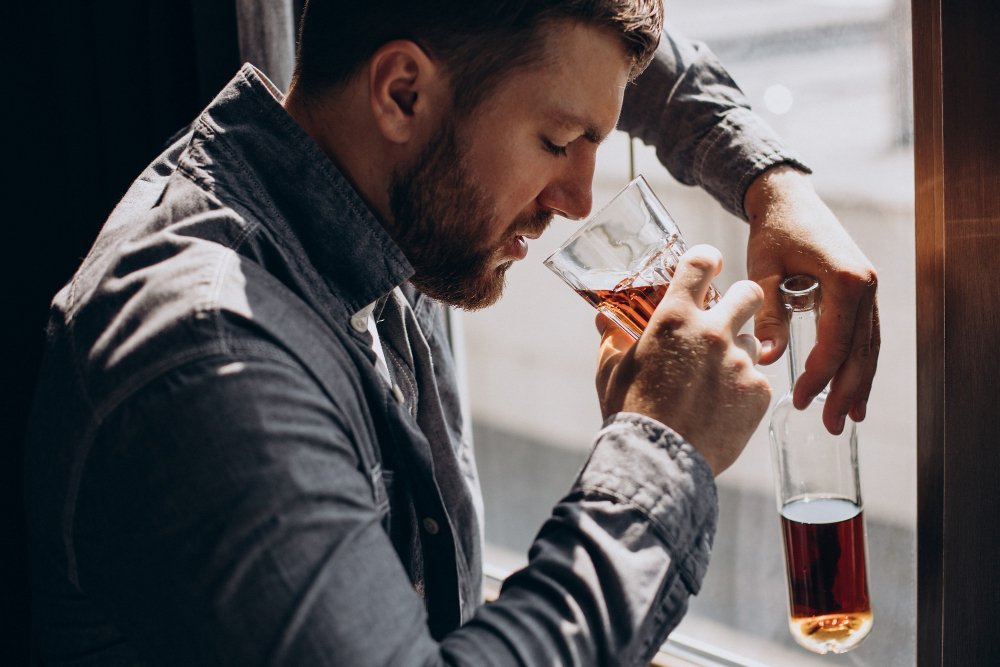
Alcohol is one of the most socially accepted psychoactive substances in the world. It can feel like a shortcut to relaxation, confidence, or belonging, yet it also carries real health, relationship, and safety costs. Understanding both sides of the story (the harms and the psychology behind the pull) helps people make clearer, less guilt-driven decisions, whether that means cutting back, quitting, or drinking less often.
1) The health disadvantages of alcohol
Understanding the disadvantages of alcohol is crucial for making informed decisions about drinking. Knowledge of these disadvantages can lead to healthier lifestyle choices.
Being aware of the various disadvantages of alcohol allows individuals to weigh the pros and cons of their drinking habits.
Alcohol affects almost every organ system
Alcohol is not “just a drink.” It changes brain signaling and body chemistry in ways that can show up immediately (sleep disruption, poor judgment) and over time (higher disease risk). The World Health Organization highlights alcohol’s wide-ranging harms, including injuries and chronic disease.
Increased risk of cancer (even at low levels)
One of the most overlooked harms is the link between alcohol and several cancers. WHO’s Europe office has stated that no level of alcohol consumption is safe for health, largely because of cancer risk.
Canada’s federal health information also emphasizes standardized drink sizes and provides guidance intended to reduce risk.
Brain and mental health impacts
Alcohol interferes with communication pathways in the brain, affecting balance, memory, speech, and judgment. Over time, heavy drinking can lead to longer-lasting changes in brain cells and function.
It can also worsen anxiety and mood over time, especially when drinking becomes a coping strategy.
Sleep gets worse (even if it “knocks you out”)
Alcohol may help you fall asleep faster, but it tends to reduce sleep quality and increase nighttime awakenings. Many people mistakenly label the next-day fog as “stress” when it’s actually alcohol-related sleep disruption.
Heart, liver, and metabolic strain
Frequent or heavy alcohol use increases risk for liver disease and can raise blood pressure. It also adds “invisible calories,” which can push appetite, cravings, and weight gain, especially when paired with late-night eating.
Higher risk of injuries and accidents
A major portion of alcohol-related harm happens through injuries, road crashes, falls, drowning, and violence. WHO notes that alcohol use causes harm to others too, not only to the person drinking.

2) The life disadvantages people don’t talk about enough
Relationships and communication
Alcohol can temporarily lower inhibitions, but it also increases misunderstandings, emotional reactivity, and conflict, especially in close relationships. Over time, patterns like “weekend blowups” or “anxiety” can erode trust and intimacy.
Work and productivity
Even moderate drinking can reduce next-day focus, motivation, and energy. Many people underestimate how much “one night out” affects two days: the evening itself and the recovery day.
Money and time leakage
Alcohol is often tied to high-cost settings (restaurants, bars, events). The spending can be obvious, but the time cost is bigger: late nights, late mornings, and reduced capacity to do the things that actually build a better life.
3) Why are people attracted to alcohol?
If alcohol had only downsides, far fewer people would drink. The attraction is understandable, because it targets core human needs.
1) Fast relief from stress and emotional pain
Alcohol can reduce the activity of brain systems involved in negative emotional states like stress and anxiety, making it feel like immediate relief.
The problem: the brain learns, “This works.” And over time, stress can rebound stronger, creating a loop.
2) Reward and pleasure learning
Alcohol activates reward pathways and can create feelings of pleasure or “ease,” training the brain to repeat the behavior.
This learning happens quickly, especially when drinking is paired with strong emotional moments (celebrations, heartbreak, social wins).
3) Social belonging and identity
For many adults, alcohol is a “social glue.” It’s part of networking, dating, weddings, sports nights, and cultural rituals. People don’t only crave the drink, they crave the feeling of being included.
4) Confidence and reduced self-consciousness
Alcohol can temporarily quiet inner criticism. If someone struggles with social anxiety or perfectionism, that temporary relief can feel like freedom.
5) Habit + cues
Humans are cue-driven: Friday night, certain friends, certain music, certain places. Over time, the cue itself triggers craving, even if you don’t consciously want a drink.
4) A safer, more empowering way to think about drinking
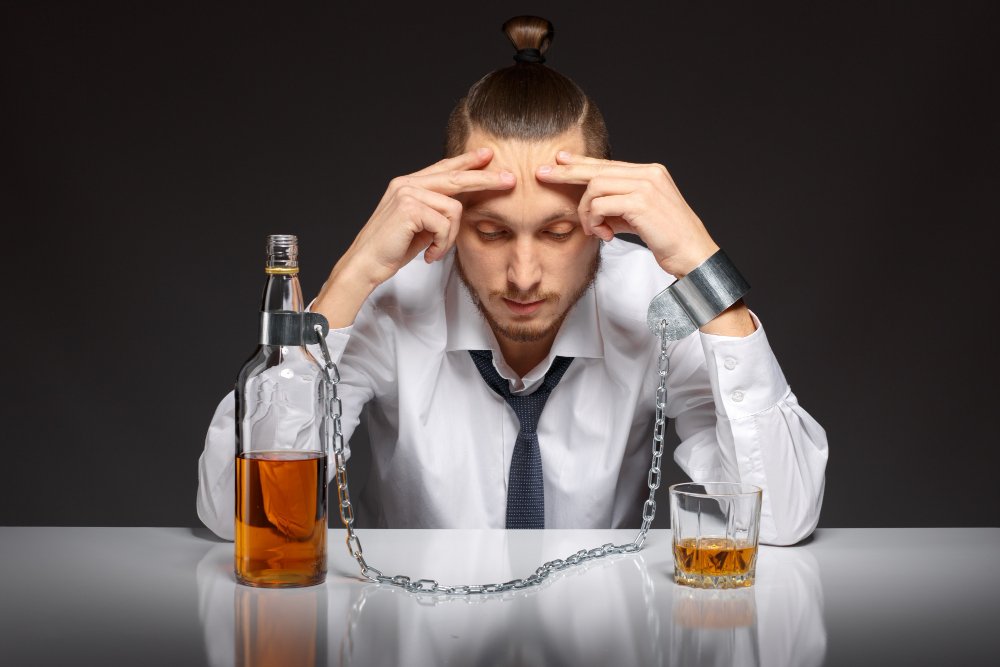
Instead of “I should” or “I shouldn’t,” try asking:
- What am I using alcohol for, relaxation, connection, confidence, numbness?
- What does it cost me the next day (sleep, mood, anxiety, productivity)?
- What would give me 60% of the benefit with 10% of the harm?
For some people, that answer is:
- alcohol-free days,
- smaller amounts,
- earlier cut-off times,
- choosing lower-strength drinks,
- or switching to mocktails and other “social substitutes.”
Canada’s updated guidance frames risk as rising with weekly intake and encourages drinking less as beneficial.
FAQ:
Is red wine actually “good for the heart”?
Research has become more cautious over time, and health agencies increasingly emphasize that alcohol carries risks (including cancer). If there are benefits for some people, they don’t cancel out the harms for everyone.
Why do I feel anxious after drinking?
“Anxiety” is common: alcohol disrupts sleep and can trigger rebound stress responses, making anxiety feel worse the next day.
What’s a realistic first step to cut back?
Pick one: (1) set a weekly limit, (2) alcohol-free weekdays, (3) stop at 1–2 drinks on drinking days, or (4) replace the first drink with a non-alcoholic option.
Leave a Reply