

Type 2 diabetes has long been considered a chronic, progressive condition. However, growing scientific evidence shows that, for many people, remission is possible, and one of the most powerful tools to achieve it is food.
Rather than focusing only on medications, the concept of “food as medicine” emphasizes how targeted nutrition and lifestyle changes can help regulate blood sugar, reduce insulin resistance, and in some cases, reverse the underlying metabolic dysfunction.
In this article, we explore how food can play a central role in type 2 diabetes remission, what the science says, and how individuals can take practical steps toward better health.
What Is Type 2 Diabetes Remission?
Type 2 diabetes remission means that blood sugar levels return to the normal or prediabetes range without the need for glucose-lowering medications.
It does not mean the disease is “cured,” but rather that it is well-controlled through sustainable lifestyle changes, particularly nutrition and weight management.
Clinical studies have shown that remission is especially achievable when interventions occur early and focus on reducing excess fat, particularly around the liver and pancreas.
Why Food Matters More Than You Think
At its core, type 2 diabetes is a condition of insulin resistance, where the body’s cells no longer respond effectively to insulin.
Food directly influences this process in several ways:
- Blood sugar response: Different foods cause varying spikes in glucose
- Insulin sensitivity: Whole, nutrient-dense foods improve metabolic function
- Fat accumulation: Excess calorie intake, especially from processed foods, leads to fat buildup in key organs
- Inflammation: Poor diet increases chronic inflammation, worsening insulin resistance
This means that every meal is an opportunity to either support or disrupt metabolic health.
The Science Behind Food and Diabetes Remission
Several major studies have demonstrated the role of nutrition in diabetes remission.
For example:
- Low-calorie, structured dietary interventions have shown remission rates of up to 40–60% in some participants
- Weight loss of around 10–15% of body weight is strongly associated with remission
- Diets focused on whole foods and reduced processed carbohydrates improve insulin sensitivity
These findings support the idea that type 2 diabetes is not only manageable but, in many cases, reversible through lifestyle changes.
Key Principles of Using Food as Medicine
1. Prioritize Whole, Unprocessed Foods
Whole foods are rich in fiber, vitamins, and minerals that support blood sugar control.
Focus on:
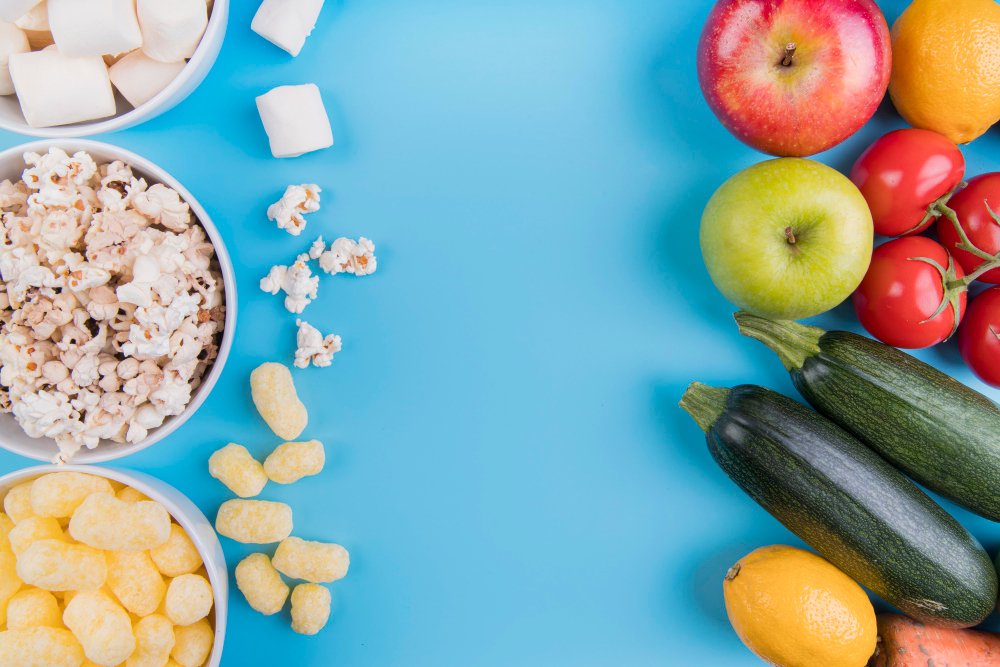
- Vegetables (especially non-starchy varieties)
- Whole fruits (in moderation)
- Legumes and beans
- Whole grains (when tolerated)
- Nuts and seeds
Avoid or limit:
- Ultra-processed foods
- Sugary beverages
- Refined carbohydrates
2. Balance Macronutrients
A balanced intake of carbohydrates, proteins, and healthy fats helps stabilize blood sugar.
- Protein improves satiety and supports muscle health
- Healthy fats (like olive oil and avocado) reduce inflammation
- Carbohydrates should come mainly from fiber-rich sources
Pairing carbohydrates with protein and fat can reduce glucose spikes.
3. Reduce Refined Carbohydrates and Added Sugars
Highly processed carbs, such as white bread, pastries, and sugary snacks, cause rapid spikes in blood sugar and insulin.
Replacing them with complex carbohydrates and fiber-rich foods helps maintain stable glucose levels.

4. Focus on Weight Management
Excess body fat, especially around the abdomen, plays a major role in insulin resistance.
Even modest weight loss can:
- Improve insulin sensitivity
- Reduce liver fat
- Restore normal metabolic function
Nutrition is the most effective lever for achieving sustainable weight loss.
5. Improve Meal Timing and Consistency
When and how often you eat also matters.
Strategies include:
- Avoiding late-night eating
- Maintaining regular meal patterns
- Considering time-restricted eating (under guidance)
These approaches can support better blood sugar control and metabolic health.

Popular Dietary Approaches for Diabetes Remission
There is no single “perfect diet,” but several evidence-based approaches can help:
Mediterranean Diet
- Rich in vegetables, healthy fats, and lean protein
- Strong evidence for improving metabolic health
Low-Carbohydrate Diets
- Reduce glucose spikes by limiting carbohydrate intake
- Effective for short-term blood sugar control
Plant-Based Diets
- Emphasize whole plant foods and fiber
- Associated with improved insulin sensitivity
Calorie-Restricted Programs
- Structured interventions aimed at significant weight loss
- Often used in clinical remission programs
The best diet is one that is sustainable, personalized, and aligned with individual preferences and medical guidance.

The Role of Lifestyle Beyond Food
While food is central, remission is most successful when combined with other lifestyle factors:
- Physical activity: Improves insulin sensitivity
- Sleep: Poor sleep disrupts glucose metabolism
- Stress management: Chronic stress raises blood sugar
- Social support: Increases adherence to healthy habits
This holistic approach is the foundation of lifestyle medicine.
Challenges and Misconceptions
“Diabetes is irreversible”
This is outdated. Many people can achieve remission with the right interventions.
“Medication is enough”
Medication helps manage symptoms but does not address root causes.
“Healthy eating is complicated”
In reality, it often means returning to simple, whole foods.
Practical Steps to Get Started
If you are aiming for better blood sugar control or remission:
- Start by improving one meal per day
- Replace processed foods with whole alternatives
- Track your progress (energy, weight, glucose levels)
- Seek guidance from healthcare professionals
- Build habits gradually for long-term success
Small, consistent changes can lead to significant health improvements over time.

Conclusion: A Powerful Opportunity for Change
Food is not just fuel, it is one of the most powerful tools we have for healing the body.
For individuals with type 2 diabetes, adopting a food-as-medicine approach offers a real opportunity to move beyond symptom management and toward true metabolic recovery.
While remission is not guaranteed for everyone, the evidence is clear:
what you eat can transform your health.
By combining evidence-based nutrition with sustainable lifestyle changes, many people can regain control of their blood sugar, and their future.
FAQ
Can type 2 diabetes really go into remission?
Yes, many individuals can achieve remission through weight loss, dietary changes, and lifestyle improvements, especially in early stages.
What is the best diet for diabetes remission?
There is no single best diet. Mediterranean, low-carb, plant-based, and calorie-restricted diets all show benefits when followed consistently.
How much weight loss is needed for remission?
Research suggests that losing around 10–15% of body weight can significantly increase the chances of remission.
Is medication still needed during remission?
Some people can reduce or stop medications under medical supervision, but this should always be done with a healthcare provider.
How long does it take to achieve remission?
It varies by individual. Some people see improvements within weeks to months, while long-term maintenance is key for sustained remission.
Leave a Reply