
Changing habits is one of the most common goals people set, whether it’s eating healthier, exercising regularly, sleeping better, or reducing stress. Yet, many people struggle to maintain these changes long-term. They start strong, stay consistent for a few days or weeks, and then gradually fall back into old patterns.
So, what does it really take to permanently change our habits?
The answer lies in understanding how habits work in the brain and applying practical, evidence-based strategies that make change sustainable, not temporary.
What Is a Habit and Why Is It Hard to Change our habits?
A habit is a behavior that becomes automatic through repetition. Over time, the brain builds neural pathways that make certain actions easier to perform without conscious effort.
Habits follow a simple loop:
- Cue (Trigger): Something that initiates the behavior
- Routine (Action): The behavior itself
- Reward: The benefit or feeling you get afterward
This loop is deeply embedded in the brain to conserve energy. That’s why habits—especially unhealthy ones—can be so difficult to break.
The key insight:
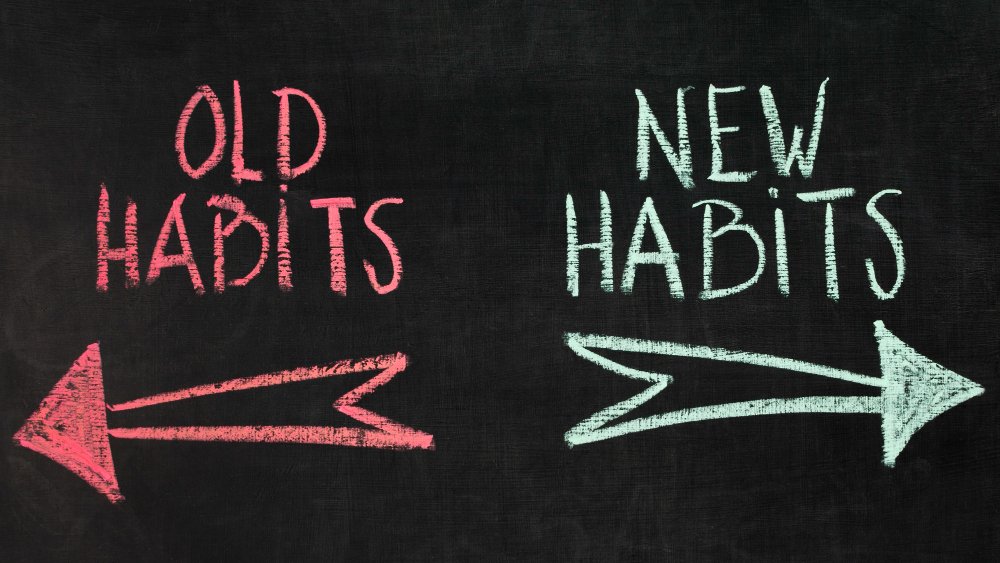
You don’t eliminate habits, you replace and reshape them.
Why Most People Fail to Change Their Habits
Before learning how to succeed, it’s important to understand common mistakes:
- Relying on motivation alone: Motivation fluctuates and is not reliable
- Setting unrealistic goals: Drastic changes are hard to sustain
- Ignoring environment: Surroundings strongly influence behavior
- Lack of consistency: Habits require repetition over time
- All-or-nothing mindset: One mistake leads to giving up
Permanent change requires a shift from short-term effort to long-term systems.
The Science of Lasting Habit Change
Research in behavioral psychology shows that sustainable habits are built through:
- Small, consistent actions rather than big changes
- Environmental design that supports the behavior
- Identity-based change (seeing yourself differently)
- Repetition and reinforcement over time
These principles form the foundation of effective habit transformation.
7 Proven Strategies to Permanently Change Your Habits
1. Start Small (Micro-Habits)
One of the biggest mistakes is trying to change too much at once.
Instead, start with tiny, manageable actions:
- 5 minutes of exercise instead of 1 hour
- One healthy meal instead of a full diet overhaul
- Drinking one extra glass of water per day
Small habits reduce resistance and build momentum.
2. Focus on Identity, Not Just Outcomes
Lasting change happens when you shift your identity.
Instead of saying:
- “I want to lose weight”
Say:
- “I am someone who takes care of my health”
When behavior aligns with identity, habits become more natural and consistent.

3. Design Your Environment for Success
Your environment shapes your behavior more than willpower.
Examples:
- Keep healthy food visible and accessible
- Remove junk food from your home
- Place workout clothes where you can see them
- Reduce distractions during focused work
Make good habits easy and bad habits difficult.
4. Use Habit Stacking
Habit stacking means attaching a new habit to an existing one.
Formula:
“After I do [current habit], I will do [new habit]”
Examples:
- After brushing your teeth → stretch for 2 minutes
- After morning coffee → plan your day
- After dinner → take a short walk
This method uses existing routines as anchors for new behaviors.
5. Make It Easy and Reduce Friction
The easier a habit is, the more likely you are to do it.
Ask yourself:
- How can I make this habit simpler?
Examples:
- Prepare meals in advance
- Keep gym equipment at home
- Use reminders or apps
Reduce barriers so the behavior becomes automatic.
6. Track Progress and Celebrate Wins
Tracking helps reinforce behavior and build awareness.
You can track:
- Days completed
- Steps walked
- Meals prepared
- Hours slept
Even small wins matter. Celebrating progress increases motivation and consistency.

7. Be Consistent, Not Perfect
Perfection is the enemy of progress.
You will miss days. You will make mistakes. That’s normal.
What matters is:
Never miss twice
Consistency over time—not perfection—is what creates lasting habits.

How Long Does It Take to Change a Habit?
A common myth is that habits form in 21 days.
In reality, research shows it can take anywhere from 18 to 66 days (or more) depending on the complexity of the habit and the individual.
The key is not speed—but consistency and repetition.
The Role of Mindset in Habit Change
Your mindset determines how you respond to challenges.
A growth-oriented mindset helps you:
- Learn from setbacks
- Stay committed during difficult periods
- Focus on long-term progress
Instead of thinking:
- “I failed”
Think:
- “I’m learning and improving”
This shift is critical for permanent change.
Common Barriers and How to Overcome Them
Lack of Time
Start with very small habits (2–5 minutes)
Low Motivation
Build systems instead of relying on motivation
Stress and Fatigue
Focus on sleep, recovery, and stress management
Lack of Support
Share your goals with others or join a community
The Connection Between Habits and Health
Your daily habits directly shape your long-term health.
Habits influence:
- Weight and metabolism
- Mental health and stress levels
- Energy and productivity
- Risk of chronic diseases
This is why habit change is a core principle of lifestyle medicine—focusing on prevention rather than treatment.
Practical Example: Building a Healthy Lifestyle Habit
Let’s say your goal is to become more active.
Step-by-step approach:
- Start with 5-minute walks daily
- Link it to an existing habit (after lunch)
- Keep shoes visible and ready
- Track daily progress
- Gradually increase duration
Over time, this small habit can evolve into a consistent exercise routine.
Conclusion: Permanent Change Is Possible
Changing habits permanently is not about willpower—it’s about strategy, consistency, and self-awareness.
By starting small, designing your environment, focusing on identity, and staying consistent, you can transform your behaviors and build a healthier, more balanced life.
Remember:
You don’t need to change everything overnight
You just need to take one small step, every day
Over time, these small steps become powerful, lasting change.
FAQ Section
1. Can habits really be changed permanently?
Yes, habits can be changed permanently through consistent practice, environmental design, and identity-based behavior change.
2. What is the best way to start a new habit?
Start small, attach the habit to an existing routine, and make it easy to perform daily.
3. How long does it take to build a habit?
It typically takes between 18 to 66 days, depending on the habit and individual consistency.
4. Why do people fail to maintain habits?
Common reasons include relying on motivation, setting unrealistic goals, and lack of consistency.
5. What is the most important factor in habit change?
Consistency is the most important factor. Small actions repeated over time lead to lasting results.
Leave a Reply