
Why Saffron Is More Than Just a Spice
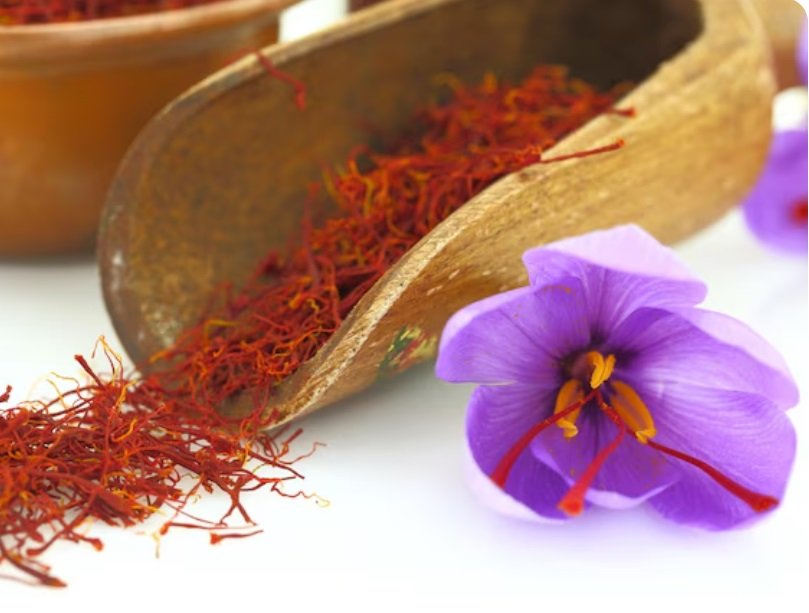
Saffron, also known as “red gold,” isn’t just a luxury spice it’s a powerful ally for your heart and overall well-being. Harvested from the delicate stigmas of the crocus flower, saffron has been prized for centuries for its flavor, aroma, and health benefits.
With compounds like crocin, crocetin, safranal, and picrocrocin, saffron is a strong antioxidant and anti-inflammatory spice that can help protect your heart, support healthy blood pressure, and promote overall cardiovascular wellness.
In this article, we’ll dive into how saffron benefits your heart, practical tips for using it, and answer your most common questions in a friendly, approachable way.
Key Compounds in Saffron That Protect Your Heart
Crocin: The Antioxidant Superstar
Crocin gives saffron its deep red color and acts as a powerful antioxidant. It fights free radicals, reducing oxidative stress that can damage heart cells and arteries.
Safranal: Aroma and Heart Protection
Safranal is responsible for saffron’s unique aroma. It has anti-inflammatory and stress-reducing properties, helping maintain healthy blood pressure and reducing strain on the heart.
Picrocrocin: Bitter Taste, Sweet Benefits
Picrocrocin gives saffron its bitter flavor and contributes to maintaining healthy lipid levels, supporting heart health over time.
Other Antioxidants
Saffron also contains flavonoids, carotenoids, and vitamin C, which all help protect the cardiovascular system and improve circulation.
Saffron and Blood Pressure Reduction
High blood pressure, also known as hypertension, is a major risk factor for heart disease and stroke. Saffron may help gently lower blood pressure, keeping your heart safe.
How Saffron Helps Reduce Blood Pressure
- Vasodilation: Saffron compounds can help relax and widen blood vessels, improving blood flow and reducing strain on the heart.
- Anti-Stress Effects: Stress spikes can temporarily raise blood pressure. Saffron may help lower stress, indirectly supporting healthy blood pressure.
- Antioxidant Support: By reducing oxidative stress, saffron protects blood vessels from damage that can lead to high blood pressure.
Tips for Use:
- Brew saffron tea with a few threads daily
- Add saffron to rice or soups for a slow, steady intake
Studies suggest regular saffron consumption may help maintain blood pressure within a healthy range, especially when combined with a balanced diet and regular exercise.
Saffron and Cholesterol Regulation
Maintaining healthy cholesterol levels is essential for heart health. Saffron can play a role in regulating cholesterol naturally.
How Saffron Supports Healthy Cholesterol
- Lowering LDL (Bad Cholesterol): LDL can build up in arteries, increasing the risk of atherosclerosis. Saffron compounds help reduce LDL levels.
- Boosting HDL (Good Cholesterol): HDL helps remove excess cholesterol from the bloodstream. Saffron may slightly improve HDL levels.
- Reducing Triglycerides: High triglycerides contribute to heart disease. Saffron may help reduce them, promoting overall heart health.
Friendly Tip: Sprinkle saffron in everyday meals for gentle, natural support of your lipid profile. Over time, it can contribute to better heart health alongside exercise and a balanced diet.
General Benefits of Saffron for Heart Health
Beyond blood pressure and cholesterol, saffron offers several other heart-friendly benefits:
- Improves Circulation: By relaxing blood vessels, saffron helps nutrients and oxygen reach all parts of your body efficiently.
- Reduces Inflammation: Chronic inflammation damages arteries; saffron’s anti-inflammatory compounds help keep arteries smooth and flexible.
- Supports Heart Muscle Function: The antioxidant activity may protect the heart muscle from oxidative damage.
- Helps Manage Weight: Reduced appetite and cravings can support a healthy weight, indirectly benefiting the heart.
- Reduces Stress: Lower stress helps prevent stress-related spikes in blood pressure.
In short, saffron isn’t just a flavor enhancer, it’s a small daily helper for your heart.
How to Use Saffron for Heart Health
Here are practical ways to include saffron in your daily routine:
Saffron Tea
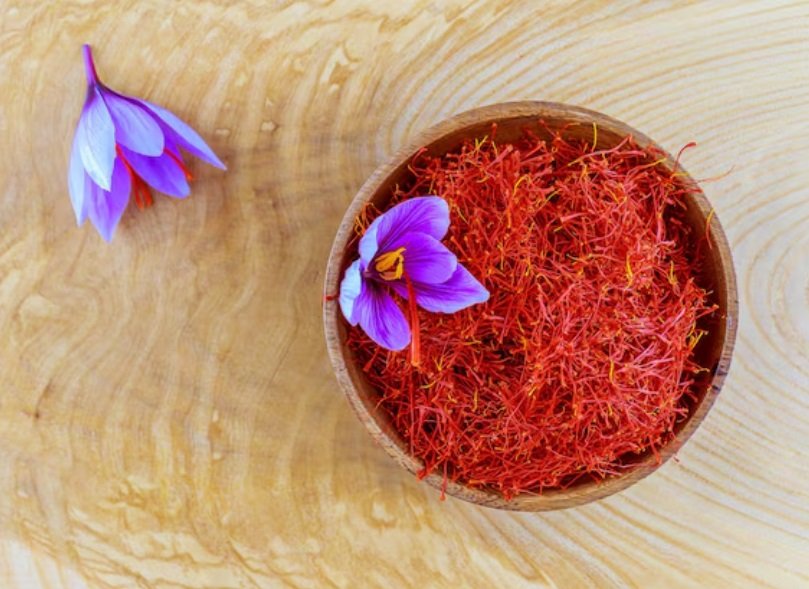
- Brew 5–10 threads in warm water or milk for 10–15 minutes
- Enjoy in the morning or evening to relax and support circulation
Cooking with Saffron
- Add to rice, soups, stews, or pasta
- Mix with turmeric or other heart-friendly spices for extra benefits
Supplements
- Standardized saffron capsules are convenient for those who don’t like cooking with threads
- Always follow recommended doses and consult your doctor
Recommended Daily Amount
- 20–30 mg per day is usually safe
- Avoid more than 5 grams/day, which may cause side effects like nausea, dizziness, or faster heartbeat
Buying and Storing Saffron
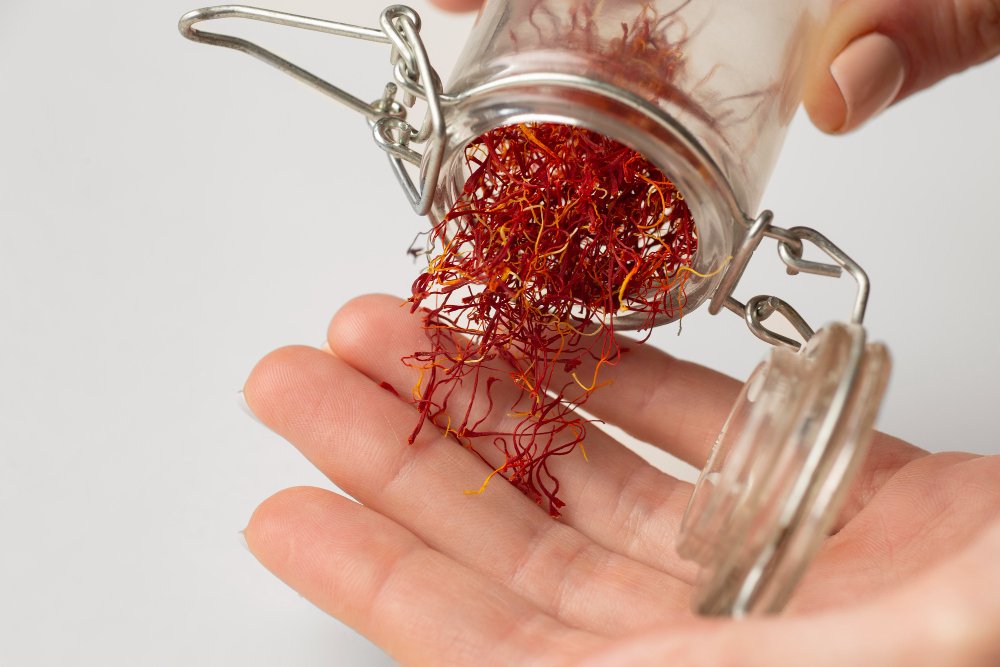
- Choose deep red threads with minimal yellow parts
- Store in an airtight container, away from light and moisture
- Avoid powdered saffron unless it’s from a trusted brand, as powders are often mixed with other substances
Scientific Evidence in Simple Words
- Cholesterol: Studies show saffron can lower LDL and triglycerides while boosting HDL.
- Blood Pressure: Evidence suggests saffron may slightly reduce both systolic and diastolic pressure.
- Inflammation & Oxidative Stress: Antioxidants in saffron help protect the heart and arteries from damage.
- Mood & Stress: Saffron may help reduce stress and support heart health indirectly by calming the nervous system.
Even though saffron is not a magic cure, research supports its role as a heart-friendly, natural spice.
Tips for Maximum Heart Benefits
- Pair saffron with other heart-healthy foods: turmeric, garlic, leafy greens, berries
- Use fresh threads rather than powders for better potency
- Consume small daily amounts consistently rather than occasional large doses
Conclusion
Saffron isn’t just a spice, it’s a natural way to support your heart. With its antioxidants, anti-inflammatory compounds, and mood-boosting effects, saffron can help maintain:
- Healthy cholesterol levels
- Balanced blood pressure
- Reduced inflammation
- Improved circulation
Adding a pinch of saffron daily can be a simple, flavorful, and natural way to care for your heart while enjoying its unique aroma and taste.
Can saffron replace heart medications?
No. Saffron is a supportive, natural aid not a replacement for prescribed medication.
Are there side effects?
Small amounts in food are safe. Over 5 grams per day may cause nausea, dizziness, or rapid heartbeat.
How long before I see benefits?
Heart benefits are gradual. Regular use over weeks or months may help support cholesterol, blood pressure, and circulation.
Can kids take saffron?
Small culinary amounts are safe. Avoid supplements unless recommended by a doctor.
Is saffron safe during pregnancy?
Culinary amounts are generally safe. High doses should be avoided; consult your doctor.
How should I take saffron for best absorption?
Add to meals or brew in tea. Pairing with food helps your body absorb nutrients more effectively.
Can saffron help with stress?
Yes, saffron has mild mood-boosting properties, which can reduce stress-related heart strain.
Does saffron improve sleep?
Saffron may promote relaxation, improving sleep quality, important for heart recovery.
How do I store saffron properly?
Keep in a dark, airtight container at room temperature. Avoid light, heat, and moisture.
How much saffron should I use daily?
20–30 mg is generally safe for daily consumption in food.
Leave a Reply