
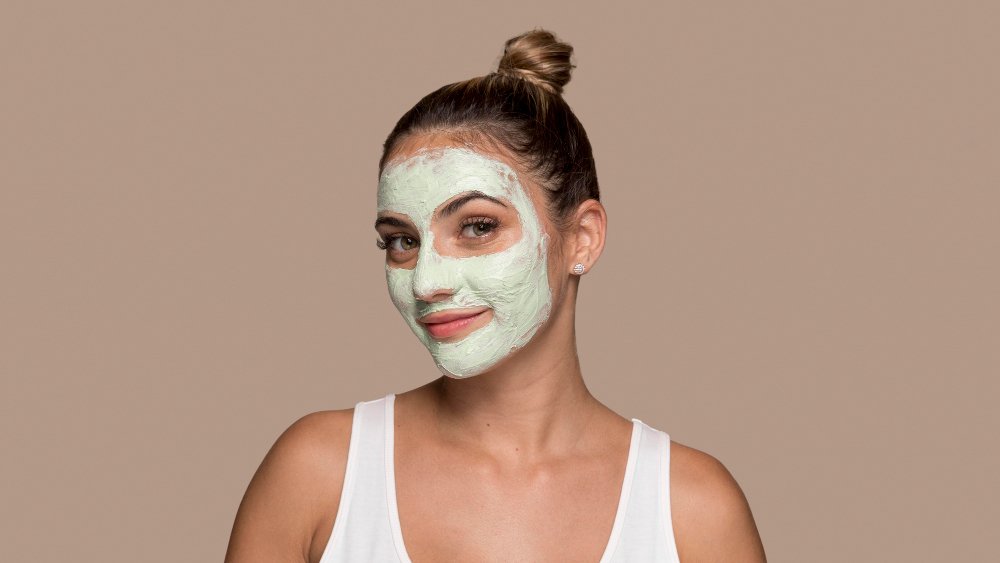
Researchers developed a herbal peel-off mask combining traditional botanicals fenugreek, neem, turmeric, saffron, and aloe vera to deliver a clean, smooth, and glowing complexion. The goal was to merge time-tested herbal skincare with a modern, easy-to-use peel-off format that deep-cleans without drying the skin.
Why a herbal peel-off mask?
Herbal peel-off masks form a thin, flexible film on the skin. As the film dries, it lifts away old surface cells, environmental grime, and excess oil. Done well, this quick “mechanical” exfoliation can reveal skin that looks fresher and feels smoother without residue or the need to rinse. The team chose a peel-off format to pair gentle exfoliation with targeted plant actives for clarity, glow, and comfort.
The hero botanicals (and what they’re there to do)
- Fenugreek (Trigonella foenum-graecum): Rich in antioxidants, naturally exfoliating, and known in traditional care for helping with oiliness and post-blemish marks. In this formula it supports pore clarity and a brighter look.
- Neem (Azadirachta indica): Celebrated for its antimicrobial and antifungal activity. It’s a logical pick for blemish-prone skin because it helps curb acne-causing bacteria while also tightening the look of pores.
- Turmeric (Curcuma longa): Powered by curcumin, turmeric brings anti-inflammatory and antioxidant benefits. It’s included to calm the look of redness and defend against everyday oxidative stress.
- Saffron (Crocus sativus): Traditionally used to boost radiance and evenness, saffron contributes to a more luminous complexion and helps soften the look of dark spots over time.
- Aloe vera: A classic skin soother that hydrates, cools, and supports a comfortable post-mask feel.
To make the mask feel pleasant and perform reliably, the researchers also added:
- Glycerin as a humectant (to draw and hold water in the outer skin layers).
- Lavender oil for a gentle scent and added antimicrobial support.
- Safe preservatives (methyl and propyl paraben) to keep the water-based formula stable.
- Film formers polyvinyl alcohol (PVA) as the flexible film base and hydroxypropyl methylcellulose (HPMC) to fine-tune thickness and spread.
How they built the formula
Plant extracts (fenugreek, neem, turmeric) were prepared by soaking the botanicals in ethanol; saffron was steeped in water; aloe gel was used directly. The lab dissolved the film-forming agents in water, added the herbal extracts and aloe, preserved the mixture, incorporated glycerin, finished with a touch of lavender oil, and mixed thoroughly before packaging. The result: a smooth, pale-yellow gel designed to spread easily, dry evenly, peel cleanly, and leave skin feeling cool and refreshed.
They created three variations (F1, F2, F3) by slightly adjusting the amounts of film formers and botanicals to see which “feels” and functions best.
What they tested (and why it matters to you)
- Look, scent, and feel: Should be pleasant—consistent color, light herbal/floral scent, and a smooth, thick gel that’s easy to apply.
- Skin compatibility (pH and irritancy): An ideal facial formula sits near skin-friendly pH (around 5.5–7.0) and shouldn’t sting, redden, or itch during wear. The mask variants tested near neutral pH and were reported non-irritating on a simple patch test.
- Spreadability: If a mask spreads well, you can apply a thin, even layer key for uniform drying and a clean peel.
- Drying time & peel quality: The mask should dry in a practical window (about 15–25 minutes) and peel off in one piece without tugging. Easy peel = less chance of friction-related redness.
- After-feel: Skin should feel clean and refreshed, not tight or sticky.
- Stability: A stable mask keeps its look, texture, and performance during normal storage.
The stand-out formula
Across the three versions, F1 performed the best overall. It showed:
- Smooth spread: Easiest to apply thinly and evenly.
- Comfortable dry-down: Dried within a practical timeframe and peeled away cleanly.
- Pleasant after-feel: “Cool” sensation, no residue, no tightness.
- Non-irritant: No visible redness or itch during the patch test.
All three versions stayed within a skin-friendly pH range and were non-irritating in their simple assessments, but F1 struck the best balance between texture, drying, and peel quality.
What benefits can users reasonably expect?
Based on the ingredient roles and the lab’s observations, this multi-herbal peel-off mask is intended to:
- Unclog and refine pores by lifting dead surface cells and debris.
- Support clearer skin with neem’s antimicrobial action and turmeric’s calming effect.
- Boost radiance and even tone thanks to saffron, fenugreek, and gentle exfoliation.
- Hydrate and soothe via glycerin and aloe, so skin feels fresh rather than stripped.
- Leave no residue and peel off cleanly, reducing the need for scrubbing or rinsing.
Importantly, this is a cosmetic-care approach—meant to complement, not replace, medical treatments for persistent acne or significant pigmentation. For ongoing acne or sensitive skin conditions, consulting a healthcare professional is still recommended.
Where peel-off masks fit in a routine
- When to use: 1–2 times per week is a sensible starting point for most skin types.
- Before you start: Patch-test on the inner forearm or behind the ear if your skin is very reactive or you’re sensitive to botanicals or fragrances.
- How to apply: After cleansing and patting dry, apply a thin, even layer avoiding eyebrows, hairline, and delicate eye area.
- Timing: Let dry fully (usually 15–20 minutes for a thin coat). Don’t rush; a full dry makes for the easiest peel.
- Aftercare: Peel gently, then follow with a hydrating serum or light moisturizer and broad-spectrum sunscreen in the daytime.
What makes this formula “different”?
Many peel-off masks lean heavily on the film former and fragrance, offering more “show” than skin benefits. This study’s formula is built around well-chosen botanicals with complementary actions:
- Clarify (neem, fenugreek)
- Calm (turmeric, aloe)
- Brighten (saffron, gentle peel)
- Hydrate (glycerin, aloe)
That synergy helps the mask address multiple everyday concerns oiliness, rough texture, dullness, and the look of post-blemish spots without aggressive scrubs or stinging acids. The researchers also paid attention to user experience (spread, scent, peel quality), which matters for consistency: when a mask is pleasant to use, people actually stick with it.
Practical cautions and tips
- Sensitive or compromised skin: If you’re dealing with active eczema, barrier damage, or a sunburn, skip peel-off formats until the skin is calm.
- Be mindful around facial hair: Apply a thinner layer near the jaw or avoid bearded areas to ensure an easy lift-off.
- Mix-and-match routines carefully: If you use retinoids, exfoliating acids, or benzoyl peroxide, try this mask on an alternate night to minimize over-exfoliation.
- Consistency beats intensity: A thin, even layer used regularly is kinder to skin than a thick coat used sporadically.
You can read the full article from the link below:
What makes this herbal peel-off mask different from regular masks?
It combines traditional herbs like neem, turmeric, and saffron with modern film technology to exfoliate and brighten without drying or irritation.
Can I use this mask if I have acne-prone skin?
Yes, neem and turmeric have natural antibacterial and calming properties that help reduce breakouts and redness, though it’s not a medical acne treatment.
How often should I use the mask?
One to two times a week is ideal for most skin types. Overuse may cause dryness.
Does the mask peel off easily?
Yes. When applied in a thin, even layer and allowed to dry fully (about 15–20 minutes), it peels off cleanly without tugging.
Will it brighten my skin tone?
Ingredients like saffron, fenugreek, and turmeric support radiance and even tone over time, giving the skin a natural glow.
Is it safe for sensitive skin
The formula was tested near a neutral pH and found non-irritating, but always perform a patch test first if you have reactive skin.
Leave a Reply