

Why Vitamin D Matters for Diabetes
Vitamin D, often called the “sunshine vitamin,” is essential not just for bone health but also for metabolic function, immune support, and insulin regulation. Recent studies have shown a strong connection between vitamin D benefits and the risk of type 2 diabetes, prediabetes, and complications related to chronic high blood sugar.
People with diabetes often have lower vitamin D levels due to lifestyle, limited sun exposure, and metabolic changes. Ensuring adequate vitamin D intake can help improve insulin sensitivity, support glucose metabolism, and protect against long-term complications.
This guide will explore everything you need to know about vitamin D and diabetes, from deficiency risks to supplementation, foods, scientific evidence, and safe daily dosages.
What is Vitamin D?
Vitamin D is a fat-soluble vitamin that functions like a hormone in the body. There are two main forms:
- Vitamin D2 (ergocalciferol): found in plant-based foods and fortified products
- Vitamin D3 (cholecalciferol): produced in the skin when exposed to sunlight and found in animal-based foods
Vitamin D regulates calcium and phosphate balance, supports bone and muscle health, and has crucial roles in immune function, inflammation regulation, and cellular metabolism.
For people with diabetes, vitamin D’s effects on insulin secretion and glucose regulation make it particularly important.

Vitamin D Deficiency and Diabetes Risk
How Deficiency Happens
People with diabetes are more prone to vitamin D deficiency due to:
- Limited sun exposure
- Darker skin (reduces vitamin D synthesis)
- Obesity (vitamin D gets stored in fat, reducing circulation)
- Dietary insufficiency
- Kidney dysfunction (common in diabetes, impairs vitamin D activation)
Symptoms of Vitamin D Deficiency
- Fatigue and low energy
- Muscle weakness and cramps
- Bone pain or fragility
- Slow wound healing
- Increased risk of infections
Long-term deficiency is associated with higher risk of type 2 diabetes, metabolic syndrome, and insulin resistance.

How Vitamin D Influences Diabetes
Vitamin D affects multiple pathways related to glucose metabolism and diabetes:
1. Insulin Secretion
Vitamin D receptors are present in pancreatic beta cells, which produce insulin. Adequate vitamin D:
- Enhances insulin synthesis
- Improves beta-cell function
- Supports stable glucose levels
2. Insulin Sensitivity
Vitamin D helps muscle and fat cells respond better to insulin, reducing insulin resistance, a key factor in type 2 diabetes.
3. Reducing Inflammation
Chronic inflammation worsens insulin resistance. Vitamin D has anti-inflammatory properties that protect blood vessels and support metabolic health.
4. Glucose Metabolism
Vitamin D promotes the expression of insulin receptors and supports efficient glucose uptake by cells, helping maintain stable blood sugar.
5. Cardiovascular Protection
People with diabetes are at higher risk of cardiovascular disease. Vitamin D:
- Reduces arterial stiffness
- Supports endothelial function
- Helps regulate blood pressure
Vitamin D and Type 2 Diabetes: Scientific Evidence
Multiple studies have linked vitamin D status with type 2 diabetes risk and management:
- Observational studies show that low vitamin D levels are associated with higher risk of developing type 2 diabetes.
- Clinical trials suggest that vitamin D supplementation may improve fasting glucose, HbA1c, and insulin sensitivity, especially in deficient individuals.
- Meta-analyses confirm that maintaining optimal vitamin D levels is linked to reduced risk of metabolic syndrome.
Key takeaway: vitamin D is not a replacement for medications, but it supports overall diabetes management and metabolic health.
Vitamin D and Type 1 Diabetes
Vitamin D also influences autoimmune processes, making it relevant for type 1 diabetes:
- Helps regulate immune responses
- May reduce inflammation in pancreatic beta cells
- Low vitamin D in early life has been linked to increased risk of developing type 1 diabetes
While supplementation cannot cure type 1 diabetes, adequate vitamin D may reduce the severity of autoimmune activity.
Recommended Vitamin D Intake for People with Diabetes
| Age / Condition | Recommended Daily Intake | Notes |
| Adults (19–70) | 600–800 IU (15–20 mcg) | Sun exposure contributes naturally |
| Older adults (>70) | 800 IU (20 mcg) | Higher risk of deficiency |
| Deficient individuals | 1,000–2,000 IU or higher | Under medical supervision |
| Pregnant / breastfeeding | 600–800 IU | Supports maternal and fetal health |
Optimal blood level: 25-hydroxy vitamin D (25(OH)D) ~30–50 ng/mL
Sources of Vitamin D
Sunlight
- 10–30 minutes of midday sun exposure several times per week is usually sufficient.
- Darker skin or northern latitudes may require more exposure.
Food Sources
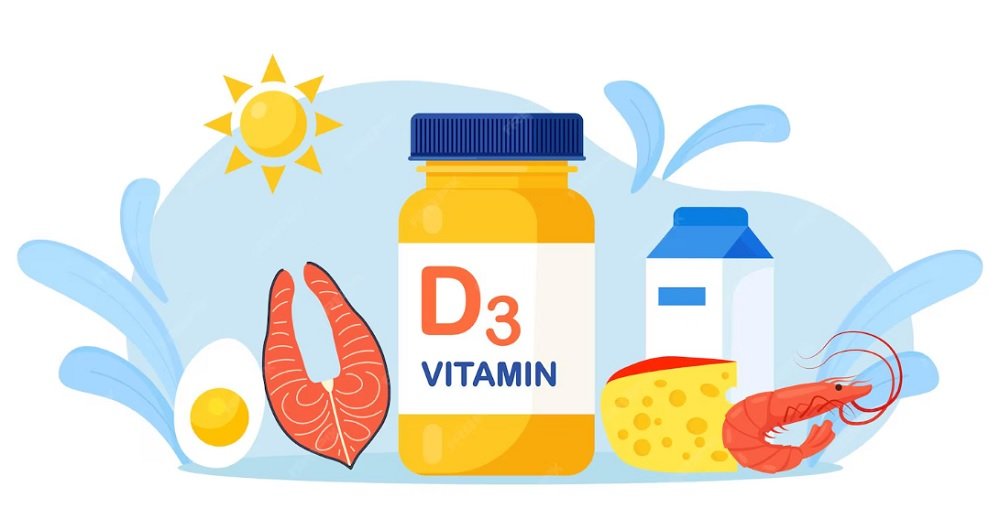
- Fatty fish (salmon, mackerel, sardines)
- Cod liver oil
- Egg yolks
- Fortified dairy and plant-based milks
- Mushrooms exposed to sunlight
Supplements
- Vitamin D3 is preferred for raising blood levels
- Always check dosage and monitor blood levels with a doctor

Vitamin D Deficiency Testing
Doctors often measure 25(OH)D levels to assess vitamin D status:
- <20 ng/mL – deficiency
- 20–30 ng/mL – insufficiency
- 30 ng/mL – sufficient
- 100 ng/mL – potential toxicity
Regular monitoring is important for people taking high-dose supplements.
Safety and Precautions
- Upper safe limit for adults: 4,000 IU/day unless prescribed
- Excess vitamin D can cause: hypercalcemia, kidney stones, nausea
- Always combine supplements with medical guidance, especially if you have kidney disease, hyperparathyroidism, or are on medications

Vitamin D and Lifestyle for Diabetes
For best results, combine vitamin D with:
- Balanced diet rich in whole foods
- Regular physical activity
- Adequate sleep
- Stress management
- Medication adherence (if prescribed)
This holistic approach maximizes glucose control, cardiovascular health, and metabolic stability.
Conclusion
Vitamin D is a critical nutrient for people with diabetes, influencing insulin secretion, insulin sensitivity, inflammation, and glucose metabolism. Deficiency is common and can worsen diabetes risk and complications.
Ensuring adequate vitamin D through sunlight, diet, or supplements, combined with healthy lifestyle habits, can support blood sugar control, metabolic health, and overall well-being.
Always consult your healthcare provider before starting supplements, particularly if you are diabetic, pregnant, or taking medications.
Can vitamin D help control blood sugar?
Yes, vitamin D supports insulin secretion and sensitivity, which may help stabilize blood sugar in people with diabetes.
How much vitamin D should a diabetic take daily?
Typically 600–800 IU for adults, but deficient individuals may require 1,000–2,000 IU under medical supervision.
What foods are rich in vitamin D?
Fatty fish, cod liver oil, egg yolks, fortified milk, and mushrooms exposed to sunlight.
Can vitamin D prevent type 2 diabetes?
Adequate vitamin D may lower risk, especially in deficient individuals, but it is not a substitute for a healthy lifestyle.
Is vitamin D important for type 1 diabetes?
Yes, it may help regulate immune function and reduce inflammation in pancreatic beta cells.
Can you get enough vitamin D from the sun alone?
Possibly, depending on skin tone, latitude, season, and sun exposure. Supplements are often necessary in northern regions or for those with limited sun exposure.
Is high-dose vitamin D safe?
High doses should only be taken under medical supervision to avoid toxicity, which can cause hypercalcemia and kidney problems.
How do I know if I am vitamin D deficient?
A blood test measuring 25-hydroxy vitamin D levels is the standard way to check deficiency.
Leave a Reply