
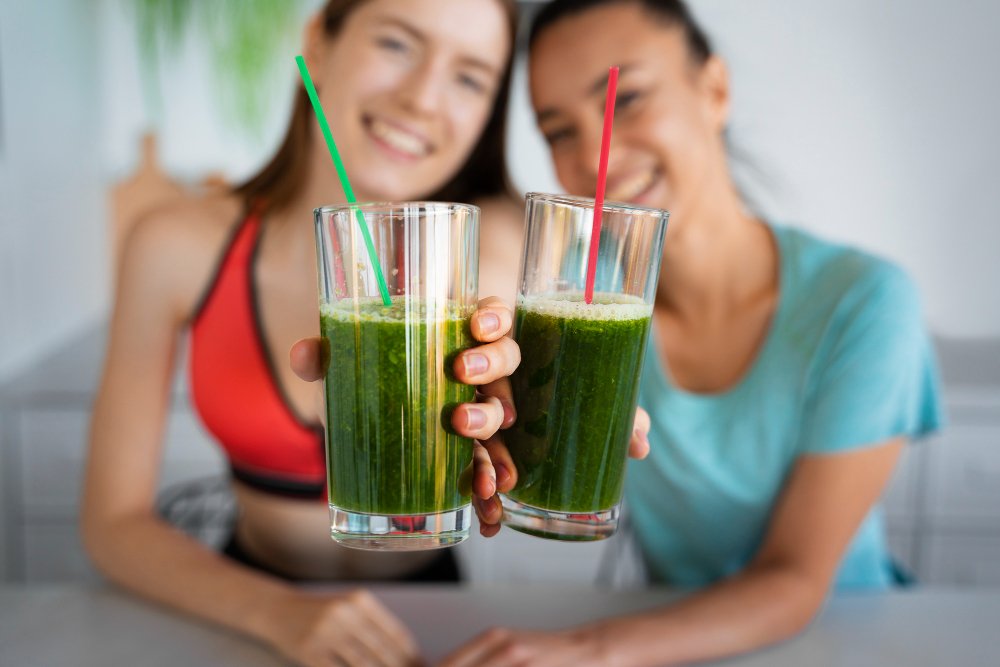
Keeping blood sugar in a healthy range is important for energy and long-term health. What you drink matters: sugary drinks can raise blood sugar quickly, while water and other unsweetened drinks do not. Some popular beverages, such as green tea, coffee and vinegar drinks, have been studied for their effects on blood sugar, but the evidence varies, and no drink can replace healthy eating, physical activity or prescribed diabetes medication.
This guide looks at 10 popular drinks, what the research actually shows about each one, and how to include them safely.
Start with the most proven step: choose water instead of sugary drinks. Canada’s food guide notes that drinking sugary drinks may increase the risk of obesity and type 2 diabetes, and Diabetes Canada recommends drinking water instead of sugar-sweetened beverages.
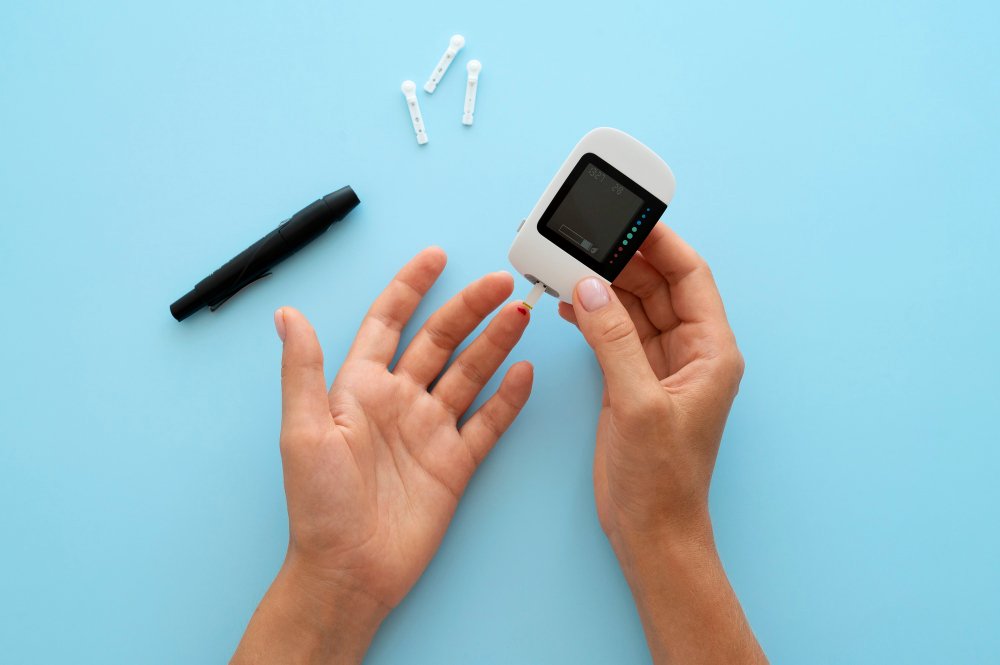
If you live with diabetes, check with your health care team before relying on any drink or remedy, especially if you take insulin or medications that can cause low blood sugar.
1. Green Tea
Green tea is one of the most studied beverages in this area. It contains antioxidant compounds called catechins, especially EGCG. Some studies suggest green tea may modestly improve fasting blood sugar, but results are mixed and the effects are small.
- What we know: Laboratory studies suggest catechins may affect insulin signalling, but results in people are inconsistent.
- Best time to drink: Morning or between meals.
- How to prepare: Steep 1 tsp of green tea leaves (or 1 bag) in hot water for 2–3 minutes avoid boiling to preserve catechins.
Tip: Unsweetened green tea is a good alternative to sugary drinks.

2. Cinnamon Tea
Cinnamon tea is a warm, caffeine-free drink. Research on cinnamon and blood sugar is mixed: Diabetes Canada lists cinnamon among natural health products with conflicting effects on A1C in trials of adults with type 2 diabetes.
- Evidence: Results from studies of cinnamon are inconsistent, and most studies used cinnamon supplements rather than tea.
- How to prepare: Simmer a cinnamon stick in a cup of water for 10 minutes. Skip added honey or sugar.
- Frequency: 1–2 cups daily.
Tip: Use Ceylon cinnamon instead of Cassia to avoid excess coumarin (a compound that may harm the liver in high doses).
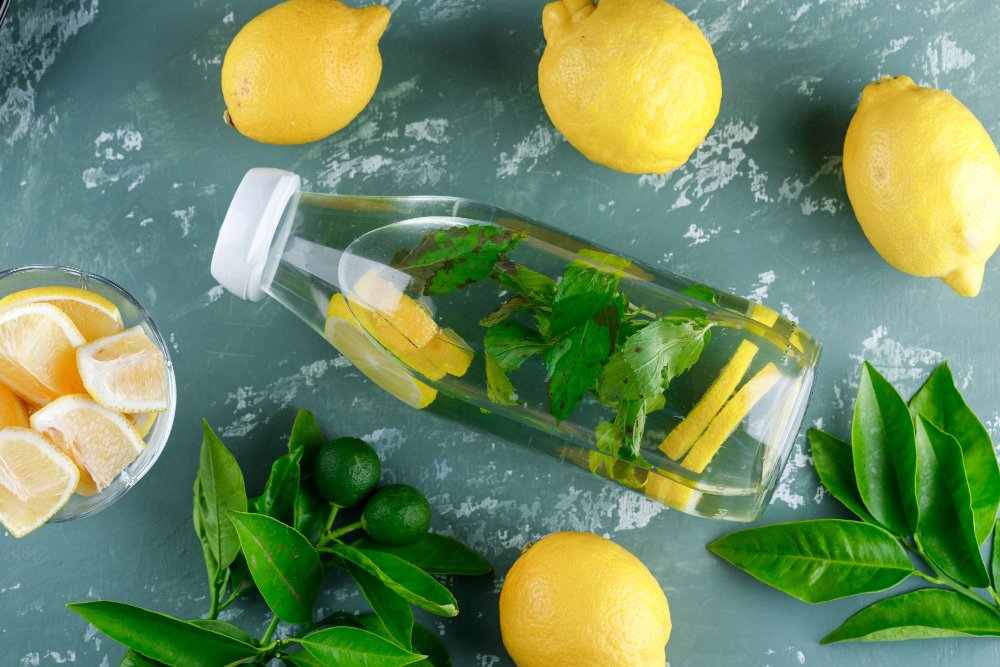
3. Lemon Water
Lemon water is a refreshing, low-calorie way to stay hydrated and can help you replace sugary drinks. Claims that it detoxifies the body or directly lowers blood sugar are not supported by good evidence.
- What we know: Your body tightly controls its own pH, and lemon water does not change it. Its main benefit is as a sugar-free drink.
- Best time to drink: Any time of day.
- Recipe: Juice half a lemon in warm water. Optional add a pinch of cinnamon or chia seeds.
Tip: If you drink it often, rinse your mouth with plain water afterwards to protect tooth enamel.
4. Apple Cider Vinegar Drink
Vinegar has been studied more than most home remedies. A 2017 meta-analysis of clinical trials found that vinegar taken with a meal can reduce the rise in blood sugar and insulin after eating. The studies were small and short, and vinegar is not a substitute for diabetes treatment.
- How to make: Mix 1 tbsp raw ACV in 1 glass of water.
- Best time: 10–15 minutes before meals.
- What we know: The effect is mainly on blood sugar after a meal. Long-term effects on A1C are less certain.
Tip: Always dilute vinegar, as drinking it straight can harm your teeth and throat. Avoid it if you have reflux or a sensitive stomach, and talk to your health care provider if you take insulin or other diabetes medications.
5. Fenugreek Water
Fenugreek seeds contain soluble fibre and other compounds that researchers have studied for their effects on blood sugar. Fenugreek has a long history of use in Ayurvedic and other traditional practices.
- How to prepare: Soak 1 tbsp fenugreek seeds overnight. Drink the water in the morning on an empty stomach.
- Evidence: Some small trials of fenugreek seed products suggest benefits for blood sugar, but most used powders or supplements rather than soaked-seed water. Fenugreek may add to the effect of diabetes medications, so check with your health care provider.
Tip: You can chew the soaked seeds for additional fiber benefits.
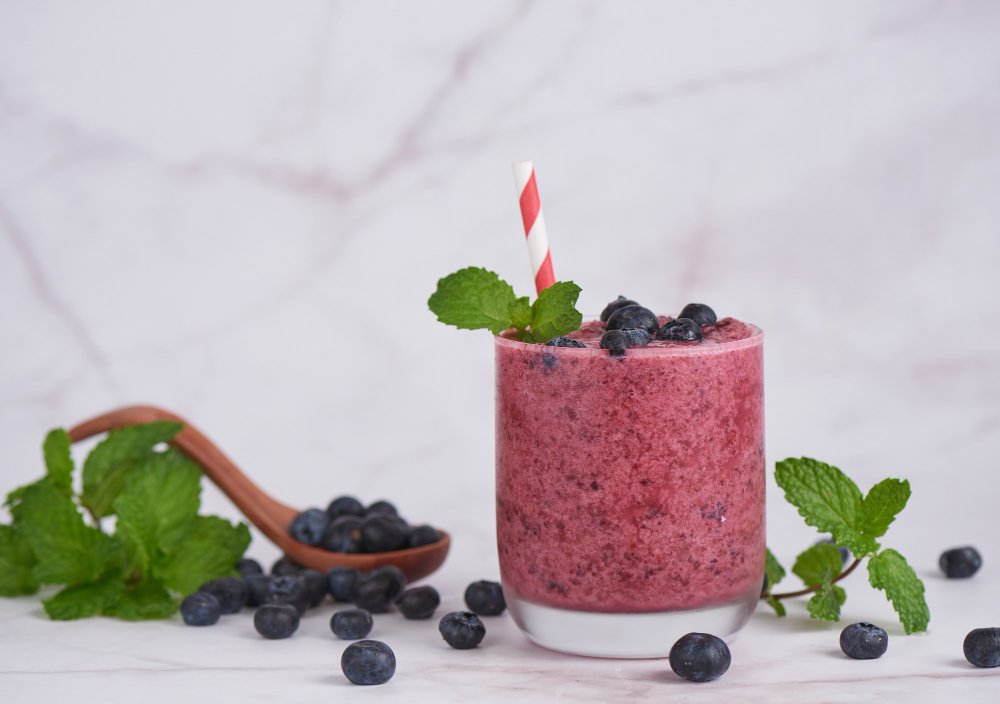
6. Blueberry Smoothie
Blueberries contain fibre and antioxidant compounds called anthocyanins. Smoothies still contain natural sugars, so pairing fruit with protein and fibre (such as unsweetened milk, yogurt or chia seeds) and keeping portions modest matters.
- Recipe: Blend ½ cup blueberries, ½ banana, 1 cup unsweetened soy or almond beverage, 1 tbsp chia seeds and a pinch of cinnamon.
- Note: Whole fruit is generally more filling than blended fruit.
Tip: Smoothies should replace a meal or snack — not accompany one — to avoid extra calories.
7. Black Coffee (in Moderation)
Large observational studies link regular coffee drinking with a lower risk of developing type 2 diabetes. A meta-analysis of 28 prospective studies found that both caffeinated and decaffeinated coffee were associated with lower risk. These studies show an association, not proof that coffee prevents diabetes, and people respond differently to caffeine.
- Best use: 1–2 small cups per day, without sugar or sweet syrups.
- What we know: Because decaffeinated coffee showed a similar association, researchers think compounds other than caffeine may be involved.
Tip: Avoid flavored creamers or sugary additives that can reverse these benefits.
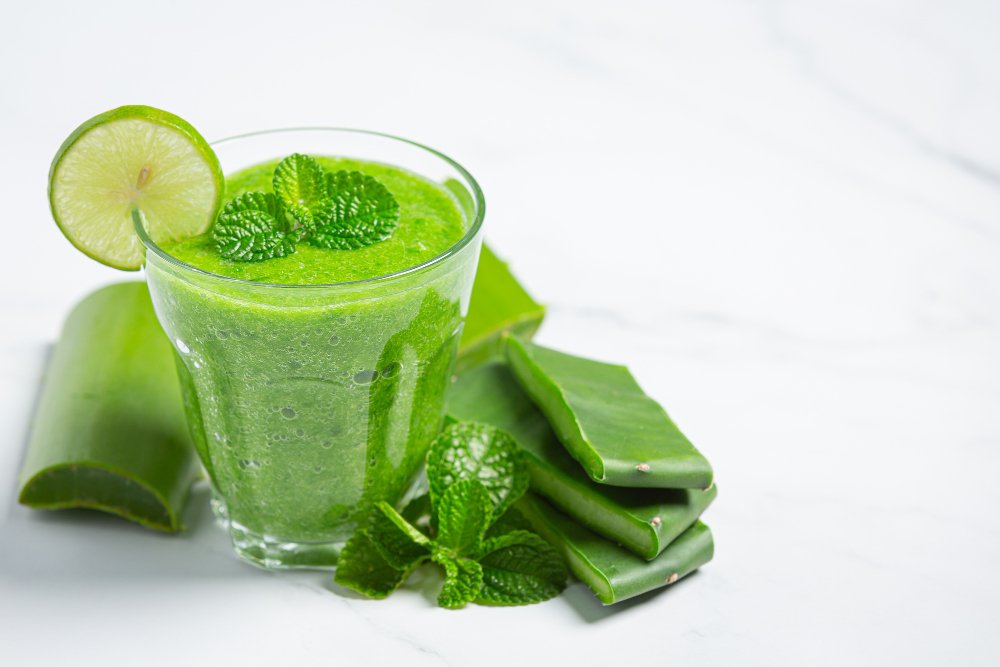
8. Aloe Vera Juice: Use Caution
Aloe vera juice is popular for its soothing reputation. Some small studies suggest aloe vera products may lower fasting blood sugar, but the evidence is limited and product quality varies. Products containing aloe latex (the yellow layer under the leaf skin) can act as a strong laxative.
- How to prepare: Mix 2 tbsp. pure Aloe Vera gel in a glass of water or coconut water.
- Caution: Choose food-grade aloe vera without latex, avoid it during pregnancy, and talk to your health care provider before using it if you take diabetes medications.
9. Hibiscus Tea
Hibiscus tea (also known as roselle tea) is naturally caffeine-free and rich in polyphenols. Most research on hibiscus has focused on blood pressure rather than blood sugar.
- Evidence: Some studies suggest it may modestly lower blood pressure; evidence for blood sugar is limited.
- How to prepare: Steep dried hibiscus petals in boiling water for 5–7 minutes. Serve hot or cold.
- Flavor tip: Add lemon and stevia for a tart, healthy beverage.
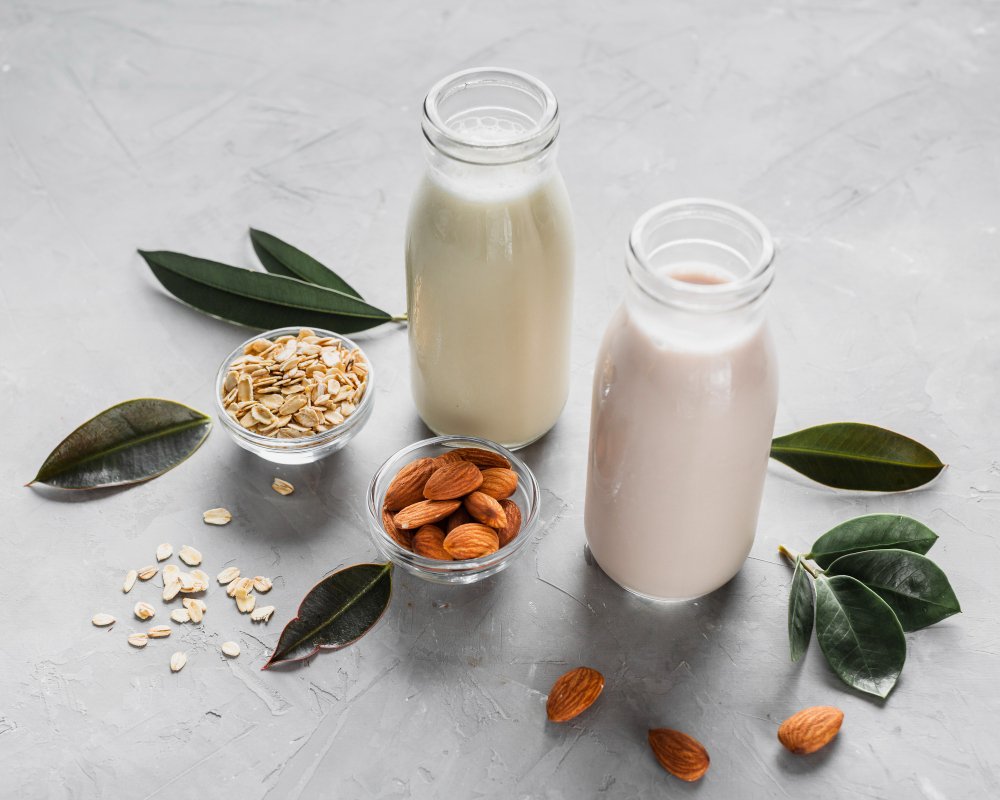
10. Protein Drinks or Plant-Based Milk
Including protein with carbohydrates can slow how quickly blood sugar rises after eating. Unsweetened milk, unsweetened fortified soy beverage or low-sugar protein drinks can be good choices.
- Smart combo: Blend plant milk with cinnamon, cocoa, or chia seeds.
- Avoid: Sugary flavored milks or protein powders with added sweeteners.
How to Fit These Drinks Into Your Day
If you enjoy these drinks, you might spread them through the day like this:
- Morning: Water or warm lemon water, then green tea or coffee (unsweetened)
- Afternoon: Water, hibiscus or another unsweetened herbal tea
- Evening: A diluted vinegar drink with dinner if it suits you, or a small blueberry smoothie as part of a meal
This keeps you hydrated with little or no added sugar. Water should still be your main drink.
Tips for Maximizing Blood Sugar Control
- Stay consistent: Regular habits work better than occasional “detox” drinks.
- Avoid sugary juices and drinks: Even 100% fruit juice can raise blood sugar quickly.
- Hydrate often: Water is the best everyday choice.
- Pair drinks with healthy meals: Combine fibre, protein and healthy fats.
- Limit alcohol and sugary soft drinks: Sugary drinks raise blood sugar quickly, and alcohol can cause low blood sugar in people taking insulin or certain diabetes medications.
Who Should Be Careful
“Natural” does not always mean safe. These drinks may not suit everyone:
| Condition | Recommendation |
| Diabetes (on insulin or other medications) | Talk to your health care provider before using vinegar, cinnamon, fenugreek or aloe regularly, and watch for low blood sugar. |
| Low blood sugar (hypoglycemia) | Avoid combining several remedies at once, and follow your hypoglycemia plan. |
| Kidney disease | Ask your health care team before using herbal products or high-potassium drinks such as fruit smoothies. |
| Pregnancy | Use herbal teas cautiously; avoid aloe and large amounts of cinnamon or fenugreek. |
Sample Daily Drink Plan for Balanced Glucose
| Time | Drink | Purpose |
| 7 AM | Water or warm lemon water | Hydration |
| 9 AM | Unsweetened green tea or coffee | Sugar-free alternative to sweetened drinks |
| 1 PM | Water with lunch (or a diluted vinegar drink, if it suits you) | May reduce the rise in blood sugar after the meal |
| 4 PM | Hibiscus or another herbal tea | Hydration |
| 7 PM | Unsweetened milk or fortified soy beverage with dinner | Adds protein |
What the Research Shows: Summary
- Water: the best everyday drink; replacing sugary drinks reduces sugar intake (Canada’s food guide).
- Vinegar: may reduce the rise in blood sugar after meals in short-term trials (Shishehbor et al., 2017).
- Coffee: associated with a lower risk of type 2 diabetes in observational studies (Ding et al., 2014).
- Cinnamon: conflicting effects on A1C in trials (Diabetes Canada, 2018).
- Green tea, fenugreek, aloe and hibiscus: limited or mixed evidence for blood sugar.
None of these drinks replaces healthy eating, regular physical activity or prescribed diabetes treatment. Keep your health care team informed about any remedies you use.
Conclusion
Managing blood sugar isn’t just about food; what you drink matters too. The most proven step is choosing water and other unsweetened drinks instead of sugary ones. Some drinks, such as vinegar with meals or coffee, have interesting research behind them, but their effects are modest or uncertain.
To recap:
- Make water your main drink.
- Enjoy unsweetened tea or coffee if they suit you.
- If you try vinegar, dilute it and take it with meals.
- Talk to your health care team before using remedies alongside diabetes medication.
With consistent habits, smart drink choices can support your overall blood sugar management and long-term health.

Is there a drink that lowers blood sugar quickly?
No drink is a safe or reliable way to quickly lower high blood sugar. Water is the best everyday choice. If your blood sugar is high, follow the plan from your health care team. Vinegar taken with a meal may reduce the rise in blood sugar after eating, but it is not a treatment for high blood sugar.
Does green tea lower blood sugar?
Some studies suggest green tea may modestly improve fasting blood sugar, but results are mixed and effects are small. Unsweetened green tea is a good alternative to sugary drinks.
Can I drink lemon water daily for blood sugar?
Yes, lemon water is a safe, low-calorie drink for most people, but it does not directly lower blood sugar. Its main benefit is helping you stay hydrated without added sugar.
Are smoothies good for people with diabetes?
They can be, in modest portions. Use whole fruit with protein and fibre (such as unsweetened milk, yogurt or chia seeds), avoid added sugar, honey or juice, and count the smoothie as part of a meal or snack.
When should I drink apple cider vinegar, if I try it?
Studies have looked at vinegar taken with or just before a meal. Always dilute it in water, and talk to your health care provider first if you take insulin or other diabetes medications.
References:
- Health Canada. Canada’s food guide: Sugary drinks
- Diabetes Canada. Plain language summary: sugar and diabetes
- Diabetes Canada (2018). Clinical Practice Guidelines, Chapter 22: Complementary and Alternative Medicine for Diabetes
- Shishehbor F, et al. (2017). Vinegar consumption can attenuate postprandial glucose and insulin responses: a systematic review and meta-analysis. Diabetes Research and Clinical Practice
- Ding M, et al. (2014). Caffeinated and decaffeinated coffee consumption and risk of type 2 diabetes: a systematic review and dose-response meta-analysis. Diabetes Care
Leave a Reply