

Losing weight isn’t about following extreme diets or eliminating your favorite foods. The most effective approach is to build healthy eating habits that you can maintain for the long term. Research consistently shows that sustainable weight loss comes from balanced nutrition, portion control, regular physical activity, quality sleep, and healthy lifestyle choices, not quick fixes.
Whether your goal is to lose a few pounds, improve your energy levels, or reduce your risk of chronic diseases, these 25 science-backed diet tips to lose weight fast and can help you create lasting habits and achieve healthier results.
Lose Weight Fast: What Really Works?
Many people search online for ways to lose weight fast, hoping for quick results. While rapid weight loss may sound appealing, most experts agree that sustainable weight loss is healthier and easier to maintain than extreme dieting.
If you want to lose weight fast, focus on habits that have been consistently supported by scientific research:
- Increase your protein intake to help control hunger.
- Fill your plate with vegetables and fiber-rich foods.
- Eliminate sugary drinks and limit ultra-processed foods.
- Stay physically active with both cardio and strength training.
- Get 7–9 hours of quality sleep each night.
- Drink plenty of water throughout the day.
- Practice portion control instead of completely restricting foods.
Although some people may experience rapid weight loss at the beginning of a healthy eating plan, lasting success comes from building habits you can maintain for life, not following crash diets or detox programs. The healthiest approach is to lose weight gradually while improving your overall health, energy levels, and metabolic function.

1. Eat More Protein
Protein helps you feel full longer, supports muscle mass, and may reduce cravings. Include lean meats, fish, eggs, dairy, beans, tofu, or lentils in your meals.
2. Fill Half Your Plate with Vegetables
Vegetables are rich in fiber, vitamins, and minerals while being naturally low in calories, making them ideal for weight management.
3. Choose Whole Grains
Replace refined grains with whole grains like oats, quinoa, brown rice, and whole-wheat bread to improve satiety and blood sugar control.
4. Drink More Water
Sometimes thirst is mistaken for hunger. Drinking water before meals may help reduce calorie intake and support metabolism.
5. Avoid Sugary Drinks
Soft drinks, sweetened coffees, and fruit juices can add hundreds of extra calories without making you feel full.

6. Eat Slowly
It takes about 20 minutes for your brain to recognize fullness. Eating slowly can help prevent overeating.
7. Control Portion Sizes
Even healthy foods can contribute to weight gain if eaten in excessive amounts. Using smaller plates may help.
8. Don’t Skip Breakfast
A balanced breakfast containing protein and fiber can help reduce hunger later in the day.
9. Increase Your Fiber Intake
Fiber promotes fullness, supports digestion, and may improve blood sugar levels. Fruits, vegetables, legumes, and whole grains are excellent sources.
10. Plan Your Meals
Meal planning reduces the temptation to order fast food or choose unhealthy snacks when you’re busy.
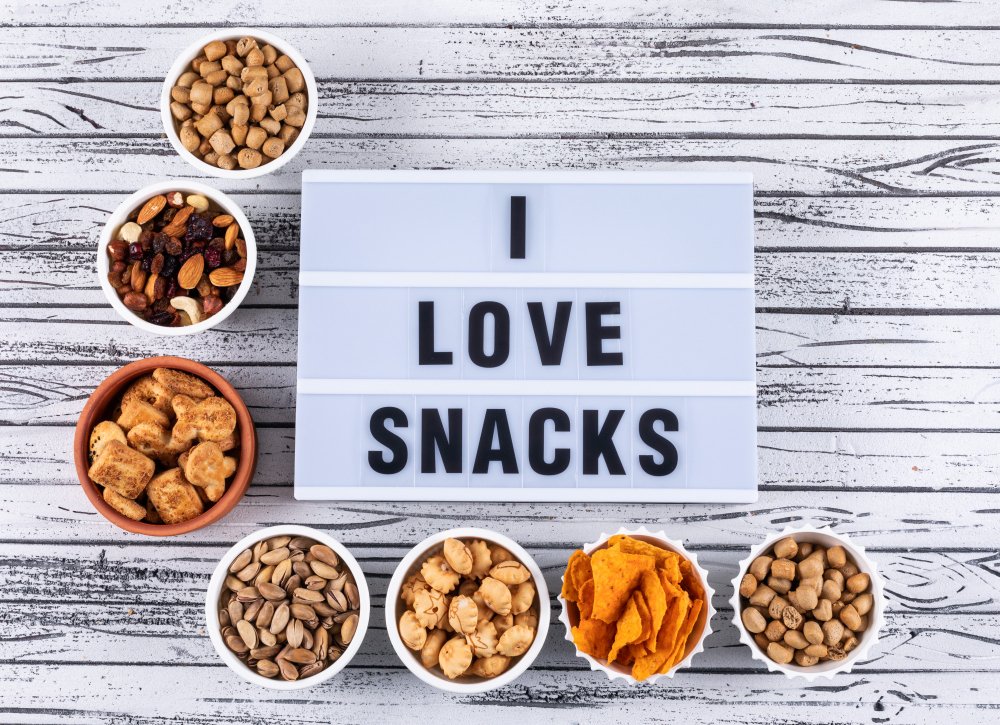
11. Snack Smart
Choose healthy snacks like Greek yogurt, nuts, fruit, or vegetables instead of processed snack foods.
12. Limit Ultra-Processed Foods
Highly processed foods are often high in sugar, unhealthy fats, and calories while providing little nutritional value.
13. Read Nutrition Labels
Checking food labels helps you identify hidden sugars, unhealthy fats, and excessive sodium.
14. Cook More Meals at Home
Preparing meals yourself gives you greater control over ingredients and portion sizes.
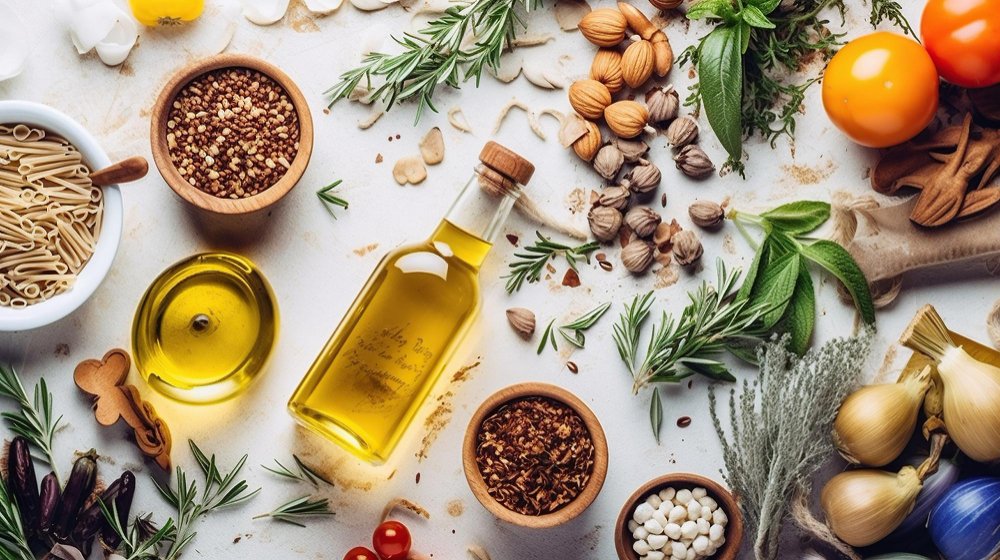
15. Include Healthy Fats
Healthy fats from olive oil, avocado, nuts, and seeds can increase satisfaction and support heart health.
16. Reduce Added Sugar
Cutting back on added sugars can lower calorie intake and reduce the risk of obesity and type 2 diabetes.
17. Practice Mindful Eating
Avoid distractions like TV or smartphones while eating. Paying attention to your meals can help prevent overeating.
18. Sleep 7–9 Hours Every Night
Poor sleep affects hunger hormones and increases cravings for high-calorie foods.
19. Manage Stress
Chronic stress may lead to emotional eating and weight gain. Relaxation techniques and regular exercise can help.
20. Stay Physically Active
Healthy eating works best when combined with regular physical activity. Aim for at least 150 minutes of moderate exercise each week.
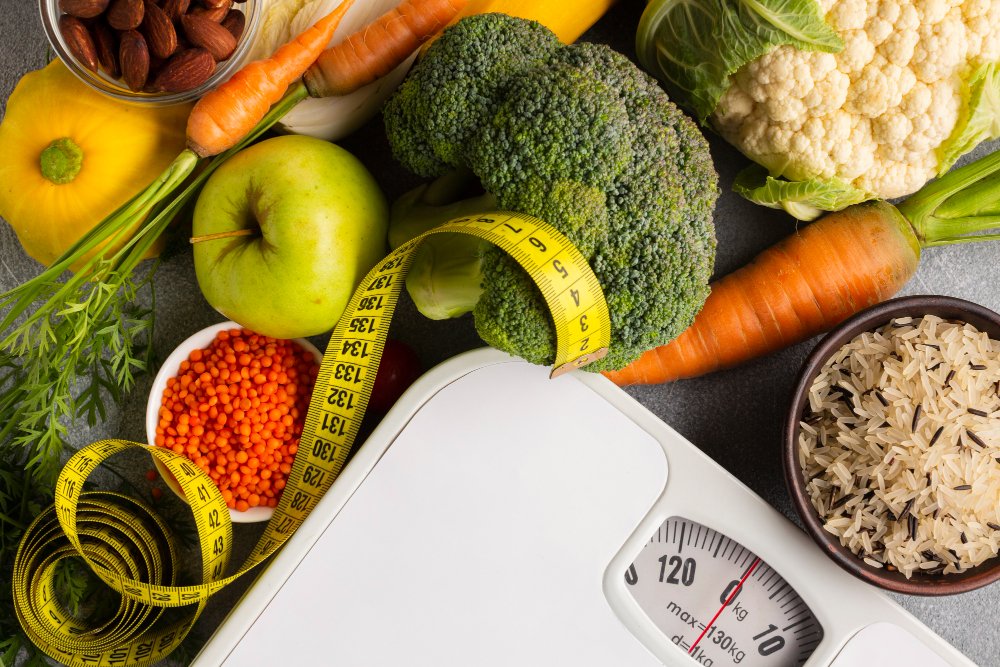
21. Don’t Follow Crash Diets
Very restrictive diets often result in temporary weight loss followed by weight regain.
22. Eat More Fruits
Whole fruits provide fiber, antioxidants, and natural sweetness without the added sugars found in many desserts.
23. Keep Healthy Foods Visible
Store nutritious foods where you can easily see them and keep unhealthy snacks out of sight.
24. Be Patient
Healthy weight loss is usually gradual. Losing 0.5–1 kg (1–2 pounds) per week is considered a realistic and sustainable goal.
25. Focus on Long-Term Lifestyle Changes
The best diet is one you can maintain. Building healthy habits is more effective than chasing quick results.
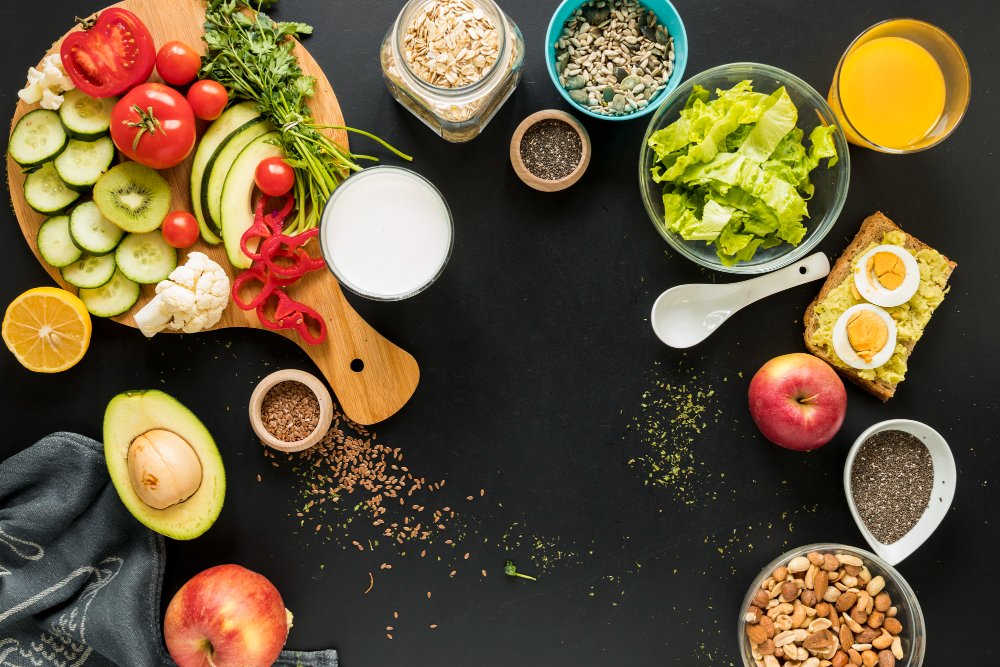
Healthy Diet Habits That Support Weight Loss
Besides choosing nutritious foods, lifestyle habits also play an important role in successful weight management.
Try to:
- Eat regular meals
- Stay hydrated
- Exercise consistently
- Get enough sleep
- Manage stress
- Avoid smoking
- Limit alcohol consumption
These habits work together to improve your overall health while supporting gradual, sustainable weight loss.
Healthy Weight Loss Support in Calgary
At WiserHealth, we believe successful weight management starts with understanding the whole person, not just the number on the scale. Our lifestyle medicine approach helps individuals develop practical, evidence-based strategies that support healthy weight loss while improving overall well-being.
Whether you’re beginning your weight-loss journey or looking for long-term support in Calgary, WiserHealth provides education and personalized guidance designed to help you build healthier habits that last. Instead of focusing on quick fixes, we emphasize sustainable lifestyle changes that can improve metabolic health, increase energy, and reduce the risk of chronic diseases.
Conclusion
Successful weight loss isn’t about perfection, it’s about consistency. Small changes, such as eating more vegetables, drinking more water, controlling portions, and staying active, can lead to meaningful improvements over time.
Instead of looking for a quick fix, focus on building healthy habits that you can maintain for life. Sustainable nutrition, combined with regular exercise, quality sleep, and stress management, offers the best path to lasting weight loss and better overall health.
FAQ
1. What is the best diet for losing weight?
There isn’t one perfect diet. The best eating plan is balanced, nutritious, and sustainable for your lifestyle.
2. How much weight can I safely lose each week?
Most experts recommend losing about 0.5–1 kg (1–2 pounds) per week.
3. Should I avoid carbohydrates to lose weight?
Not necessarily. Choosing whole grains and limiting refined carbohydrates is often a healthier approach.
4. Does drinking more water help with weight loss?
Yes. Water may help control appetite and reduce calorie intake when consumed before meals.
5. Are healthy fats good for weight loss?
Yes. Healthy fats promote fullness and support heart health when eaten in moderation.
6. Can I lose weight without exercising?
Diet plays a major role, but combining healthy eating with physical activity generally produces better results.
Leave a Reply