

When it comes to foods that pack a powerful nutritional punch, few can compete with leafy greens. From spinach and kale to Swiss chard, these vibrant vegetables are bursting with vitamins, minerals, antioxidants, and fiber. The benefits of leafy greens go far beyond simple nutrition they support heart health, balance blood sugar, and boost overall energy. Whether you’re a health-conscious eater, managing diabetes, or a nutrition professional helping others improve their diets, understanding the full benefits of leafy greens can transform how you see your plate and your health.
What Are Leafy Greens?
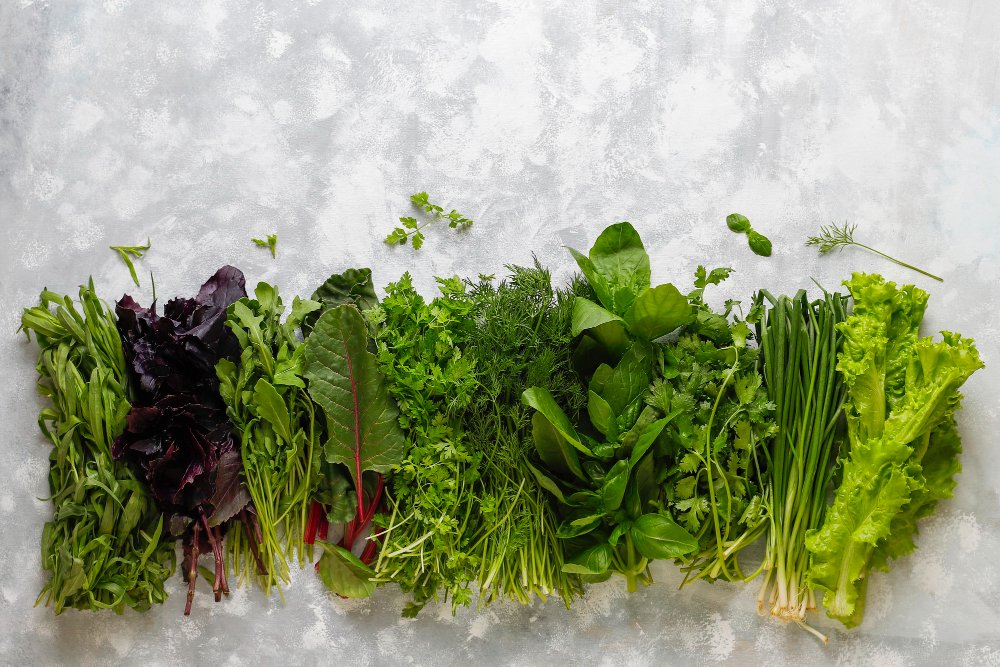
Leafy greens are the edible leaves of plants that are typically low in calories but high in nutrients. Common examples include:
- Spinach: soft, tender leaves with a mild flavor.
- Kale: hearty, curly, and slightly bitter, rich in nutrients.
- Swiss chard: colorful stems and dark green leaves, mildly earthy taste.
- Others: collard greens, romaine lettuce, mustard greens, beet greens, and arugula.
These greens are incredibly versatile, you can eat them raw, steamed, sautéed, blended into smoothies, or baked into chips.
Nutritional Profile of Leafy Greens
Leafy greens are nutritional powerhouses. They contain:
- Vitamins: A, C, K, E, and folate
- Minerals: Magnesium, calcium, potassium, iron
- Phytonutrients: Lutein, zeaxanthin, beta-carotene
- Fiber: Soluble and insoluble types that aid digestion and blood sugar control
- Low carbohydrates and calories: Ideal for weight management and diabetes control
For example:
- One cup of raw spinach has only about 7 calories but provides nearly 30% of your daily vitamin A needs.
- Kale is one of the most nutrient-dense foods on Earth, rich in vitamin K and antioxidants.
- Swiss chard offers a beautiful balance of magnesium, potassium, and iron — key minerals for heart and muscle health.
Health Benefits of Leafy Greens
1. Improve Blood Sugar Control
Leafy greens are rich in magnesium and fiber, two nutrients that improve insulin sensitivity and stabilize blood sugar levels. The fiber slows down glucose absorption, preventing sudden spikes. This makes greens a smart choice for people with type 2 diabetes or prediabetes.
A 2020 study published in BMJ found that regular consumption of leafy greens was linked to a lower risk of developing type 2 diabetes. Magnesium helps regulate insulin secretion, while antioxidants reduce inflammation both key factors in glucose balance.
Tip: Add spinach or kale to your morning smoothie or omelet for an easy blood-sugar-friendly boost.

2. Support Heart Health
Leafy greens contain nitrates, natural compounds that help relax blood vessels and improve circulation. They’re also rich in potassium, which helps regulate blood pressure. Regular consumption of greens like kale and spinach has been shown to lower LDL (bad) cholesterol and increase HDL (good) cholesterol.
Fact: Just one cup of raw kale provides more than 100% of your daily vitamin K, which supports healthy blood clotting and vascular function.
3. Boost Brain Function
The antioxidants and B vitamins in leafy greens help protect the brain from oxidative stress and support cognitive health. Studies show that people who eat one to two servings of leafy greens daily may experience slower cognitive decline as they age.
Nutrients involved: Folate, lutein, beta-carotene, and vitamin K all found in abundance in spinach and kale play key roles in maintaining brain cell communication and protecting neurons.

4. Promote Eye Health
Leafy greens are high in lutein and zeaxanthin, two carotenoids that protect the eyes from damage caused by blue light and oxidative stress. They help prevent macular degeneration and cataracts two leading causes of vision loss in older adults.
Eating spinach or Swiss chard regularly can keep your eyes sharp and your vision clear.
5. Enhance Digestive Health
Thanks to their high fiber content, leafy greens promote a healthy digestive system by feeding beneficial gut bacteria. Fiber adds bulk to stool and supports regular bowel movements, reducing constipation and bloating.
Spinach and Swiss chard are also natural sources of chlorophyll, a compound that may support detoxification by helping the body remove toxins more efficiently.

6. Strengthen Bones
Leafy greens are rich in vitamin K, calcium, and magnesium all crucial for maintaining strong bones. Vitamin K helps the body utilize calcium properly, directing it to the bones instead of arteries.
Note: While spinach contains calcium, it also has oxalates that can reduce calcium absorption. To maximize bone health, mix spinach with low-oxalate greens like kale and bok choy.
7. Support Weight Management
Because they’re low in calories but high in fiber and water, leafy greens promote satiety helping you feel full longer. Adding a handful of greens to each meal can help reduce calorie intake naturally without feeling deprived.
Try sautéed kale as a side dish, or toss spinach into soups and stews for a filling, nutrient-dense meal.

Benefits Leafy Greens and Diabetes: A Deeper Look
For people with diabetes, leafy greens are among the most beneficial foods you can eat. They:
- Help stabilize blood sugar due to fiber and low carbohydrate content.
- Improve insulin sensitivity with magnesium and antioxidants.
- Reduce inflammation, which is linked to insulin resistance.
- Support weight control, a key factor in managing diabetes.
How to Include Them in a Diabetic Diet
- Breakfast: Spinach and mushroom omelet
- Lunch: Kale salad with grilled chicken and olive oil
- Snack: Green smoothie with kale, cucumber, and a few berries
- Dinner: Sautéed Swiss chard with garlic and lemon
Tip: Always pair greens with a healthy fat (like olive oil or avocado) to boost absorption of fat-soluble vitamins (A, D, E, K).
Who Should Be Cautious with Leafy Greens?
While leafy greens are generally safe for most people, a few individuals should be mindful:
- People on Blood Thinners (like Warfarin):
Leafy greens are high in vitamin K, which can interfere with blood-thinning medications. These individuals don’t need to avoid greens but should keep intake consistent and consult their healthcare provider. - Those with Kidney Stones or High Oxalate Sensitivity:
Spinach and beet greens are high in oxalates, compounds that can contribute to kidney stone formation in sensitive individuals. Choose low-oxalate greens such as kale, arugula, or mustard greens instead. - Thyroid Disorders (Hypothyroidism):
Raw kale and other cruciferous greens contain goitrogens, which may interfere with thyroid hormone production if consumed in very large quantities. Cooking greens significantly reduces this effect.
How to Use Leafy Greens in Everyday Meals
1. Smoothies
Blend spinach or kale with banana, apple, and almond milk for a refreshing, nutrient-packed smoothie.
2. Salads
Mix different greens like kale, romaine, and Swiss chard with colorful veggies, seeds, and olive oil for a vibrant salad.
3. Soups and Stews
Add chopped greens toward the end of cooking they’ll wilt beautifully and add depth to the flavor.

4. Sautéed or Steamed
Quickly sauté spinach or chard with olive oil, garlic, and lemon juice for a simple yet satisfying side.
5. Baked Snacks
Make kale chips by baking kale leaves with a drizzle of olive oil and a pinch of salt until crispy.
6. Stuffed Wraps or Omelets
Use steamed greens as a filling for wraps or mix them into omelets for a hearty breakfast.
Tips for Buying and Storing Leafy Greens
Choose fresh, crisp leaves without yellowing or wilting.
Store in the refrigerator wrapped in a damp paper towel inside a perforated plastic bag.
Wash before use to remove dirt and potential pesticide residue.
Use within 3–5 days for maximum freshness.
Freeze extra greens: Blanch them first to preserve nutrients and color.

Fun Facts About Leafy Greens
- Ancient Greeks considered spinach a medicinal plant.
- Kale was one of the most popular foods during World War II because it grew easily and provided essential nutrients.
- Swiss chard isn’t Swiss at all it’s native to the Mediterranean!
- The darker the leaf, the higher the nutrient content.
Expert Tip: Pairing for Maximum Nutrition
To get the most from leafy greens:
- Combine them with healthy fats (olive oil, nuts, avocado) for better vitamin absorption.
- Add vitamin C-rich foods (like lemon or bell peppers) to increase iron absorption from plant-based sources.
- Mix different types of greens to diversify your nutrient intake.
Conclusion: A Simple Way to Transform Your Health
Leafy greens are nature’s multivitamins rich in nutrients, antioxidants, and fiber, yet light on calories. Whether you want to control blood sugar, strengthen your heart, boost your brain, or simply feel more energetic, adding more greens like spinach, kale, and Swiss chard to your daily meals can make a world of difference.
From smoothies to salads, soups to sautéed sides, these humble leaves deserve a permanent place in your kitchen. They’re simple, affordable, and profoundly effective for long-term health.
So next time you plan your grocery list think green. Your body will thank you.
What are the main benefits of leafy greens?
The benefits of leafy greens include improved heart health, better digestion, stronger bones, and balanced blood sugar levels. They are rich in essential nutrients like vitamins A, C, and K, magnesium, calcium, and antioxidants that help the body fight inflammation and boost overall wellness.
Are leafy greens good for people with diabetes?
Absolutely. Leafy greens like spinach, kale, and Swiss chard are among the best foods for people with diabetes. They are low in carbohydrates and calories but high in fiber and magnesium two nutrients that improve insulin sensitivity and stabilize blood sugar. Eating more greens can help reduce glucose spikes and improve long-term blood sugar control.
What is the best way to eat leafy greens to get the most benefits?
To maximize the health benefits of leafy greens, eat a mix of raw and cooked greens.
Raw: Use spinach or kale in salads and smoothies.
Cooked: Lightly sauté or steam Swiss chard or kale to enhance nutrient absorption.
Adding a small amount of healthy fat (like olive oil or avocado) also helps your body absorb fat-soluble vitamins A, E, and K.
Can leafy greens help with weight loss?
Yes! One of the key benefits of leafy greens is their ability to promote satiety without adding many calories. Their high fiber and water content help you feel full for longer, which naturally reduces calorie intake and supports healthy weight management.
Which leafy green is the healthiest: spinach, kale, or Swiss chard?
Each has unique benefits:
Spinach: High in iron, folate, and vitamin C; great for energy and red blood cell health.
Kale: Extremely nutrient-dense with high vitamin K and antioxidants for heart and brain health.
Swiss chard: Rich in magnesium and potassium, supporting blood pressure and muscle function.
The best approach is to rotate and mix them that way, you enjoy the full benefits of leafy greens.
Are there any risks or side effects of eating too many leafy greens?
Generally, leafy greens are very safe, but moderation is key.
People taking blood thinners like warfarin should keep their vitamin K intake consistent.
Those prone to kidney stones may want to limit high-oxalate greens like spinach.
Cooking greens and varying your choices can help reduce these risks while preserving the benefits of leafy greens.
Leave a Reply