
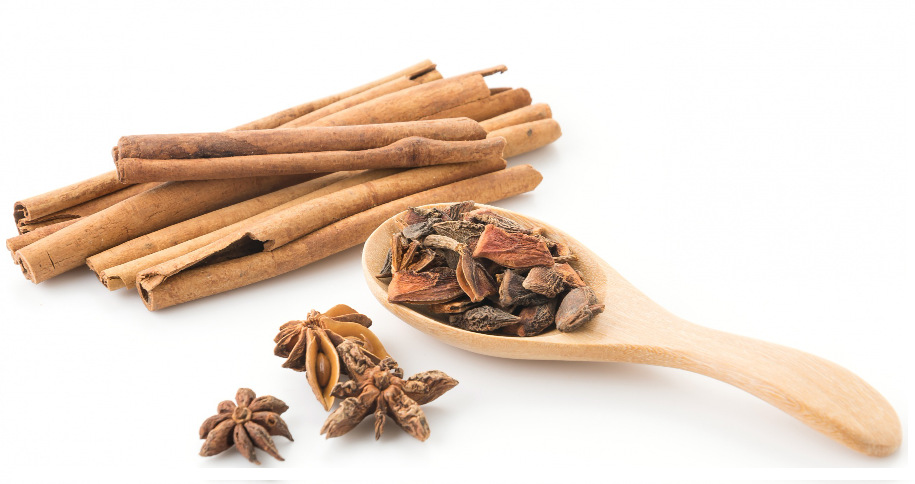
Cinnamon is one of the world’s most beloved spices, cherished for its warm aroma, rich flavor, and remarkable health benefits. Derived from the bark of trees from the Cinnamomum genus, cinnamon has been used for thousands of years in both cooking and traditional medicine.
While most people use it to flavor desserts or coffee, modern science shows that cinnamon may do much more from helping balance blood sugar to reducing inflammation and supporting heart health.
However, like any natural remedy, cinnamon isn’t risk-free. Different types contain varying chemical compounds, and dosage matters greatly. This guide explains everything you need to know about cinnamon: its scientifically proven benefits, possible side effects, ideal ways to use it, and even how to add it to your meals.
Types of Cinnamon
Not all cinnamon is created equal. There are two main types commonly sold worldwide:
- Cassia Cinnamon (Cinnamomum cassia):
The most common and inexpensive variety. It has a strong, spicy flavor but also contains higher levels of coumarin, a natural compound that can be harmful to the liver in large doses. - Ceylon Cinnamon (Cinnamomum verum):
Also called “true cinnamon.” It has a lighter, sweeter taste and much lower coumarin levels, making it the preferred choice for daily or medicinal use.
Knowing which type you’re using is important if you plan to consume cinnamon regularly for health purposes.

Nutritional and Active Compounds
Cinnamon isn’t just flavorful, it’s nutritionally active. It contains several beneficial compounds that make it powerful:
- Cinnamaldehyde:
The main compound responsible for cinnamon’s signature scent and many of its therapeutic effects, including anti-inflammatory and antioxidant activity. - Polyphenol Antioxidants:
Help combat oxidative stress and protect cells from damage. - Volatile Oils and Fiber:
Support digestion, metabolism, and general well-being.
These compounds explain why cinnamon has earned its reputation as a functional food and natural supplement.

Health Benefits of Cinnamon
1. Helps Lower Blood Sugar and Improve Insulin Sensitivity
Cinnamon is widely recognized for its potential to help people with type 2 diabetes or insulin resistance.
Several studies have shown that cinnamon can reduce fasting blood sugar levels and improve HbA1c a marker of long-term glucose control.
Meta-analyses also suggest that daily cinnamon supplementation may improve lipid profiles (cholesterol, triglycerides) and insulin sensitivity. However, results vary depending on the type of cinnamon and dosage used.
In short: cinnamon can support blood sugar management, but it should never replace prescribed diabetes medications.
2. Powerful Antioxidant and Anti-Inflammatory Properties
Cinnamon is packed with antioxidants that help the body fight oxidative stress and chronic inflammation, both major factors in aging and disease.
Research shows that cinnamaldehyde and other phenolic compounds can help protect heart tissue and lower markers of inflammation.
Regular consumption of antioxidant-rich foods like cinnamon may support cardiovascular and immune health.
3. Supports Heart Health
Cinnamon may help lower blood pressure and improve cholesterol levels.
Some studies found that cinnamon supplementation can reduce LDL (“bad”) cholesterol and triglycerides while maintaining or slightly increasing HDL (“good”) cholesterol.
Although effects can be moderate, cinnamon can still be a helpful addition to an overall heart-healthy diet.
4. May Support Weight Management
Cinnamon may help regulate appetite and improve metabolism.
It can slow the rate at which food leaves your stomach, keeping you fuller for longer. By stabilizing blood sugar, it may also prevent energy crashes that lead to sugar cravings.
Combining cinnamon with a balanced diet and regular exercise can enhance weight management results.
5. Antimicrobial and Digestive Benefits
Cinnamon’s essential oils have antimicrobial properties that may help fight bacteria, fungi, and even certain viruses.
Traditionally, cinnamon tea has been used to soothe digestion and relieve mild bloating or nausea.
It can also act as a natural preservative when added to foods.
6. Potential Brain and Cognitive Support
Early research suggests that cinnamon may protect brain cells from oxidative stress, possibly helping prevent neurodegenerative conditions like Alzheimer’s or Parkinson’s.
However, more human studies are needed to confirm these effects.

Possible Side Effects and Who Should Avoid It
Cinnamon is generally safe in culinary amounts, but too much can cause problems.
1. Coumarin and Liver Risk
Cassia cinnamon contains significant amounts of coumarin, a compound that can be toxic to the liver or kidneys in high doses.
People with liver disease or those taking medications that affect the liver should use Ceylon cinnamon instead.
Experts recommend keeping Cassia intake under 1 teaspoon (about 2–3 grams) per day to stay safe.
2. Allergic or Digestive Reactions
Some people may experience allergic reactions or mild irritation in the mouth or stomach, especially when consuming large amounts of cinnamon powder.
3. Interaction with Medications
Cinnamon can enhance the effects of certain medications, particularly those for diabetes and blood thinning.
If you take such medicines, consult your doctor before using cinnamon supplements regularly.
4. Pregnancy and Children
Culinary use during pregnancy and in children is generally safe, but supplements should be avoided unless recommended by a healthcare provider.
5. The “Cinnamon Challenge” Warning
The viral “Cinnamon Challenge” swallowing a spoonful of dry cinnamon is dangerous.
It can cause choking, lung irritation, and even hospitalization. Always mix cinnamon with food or liquids before consumption.

How Much Cinnamon to Use (Dosage Guidelines)
Most studies showing benefits used between 1–3 grams (about ½ to 1 teaspoon) of cinnamon per day.
If you’re using Cassia, limit intake to stay within safe coumarin levels.
Ceylon cinnamon, on the other hand, is safer for daily use due to its lower coumarin content.
Supplements are available, but doses vary widely. Always read labels carefully and start low to assess tolerance.
How to Use Cinnamon in Daily Life
1. Cinnamon Tea
Boil a cinnamon stick in hot water for 10 minutes, or steep ground cinnamon in hot water with lemon or honey.
This soothing tea helps digestion and may support blood sugar control.
2. As a Natural Sweetener
Add a sprinkle of cinnamon to oatmeal, yogurt, or smoothies to add sweetness without sugar.
It pairs beautifully with apples, bananas, and nuts.
3. In Cooking and Baking
Use cinnamon in both sweet and savory recipes from apple pie and banana bread to curries, stews, and roasted vegetables.
It enhances flavor while adding antioxidants.
4. Combine with Healthy Foods
Mix cinnamon into Greek yogurt, chia pudding, or overnight oats.
Add it to spice rubs for chicken or roasted vegetables for a warm, aromatic twist.
5. Cinnamon Supplements
Capsules or liquid extracts offer convenience, but quality varies.
Choose products made from Ceylon cinnamon and follow the dosage on the label. Consult your healthcare provider if you’re on medication.

Cinnamon in Recipes : Easy Ideas
| Meal | Example | Description |
| Breakfast | Oatmeal with apples, nuts, and cinnamon | Balances blood sugar and adds natural sweetness |
| Snack | Greek yogurt with berries and cinnamon | Boosts antioxidants and flavor |
| Drink | Cinnamon-spiced coffee or tea | Warms the body and stabilizes glucose |
| Dessert | Baked pear with honey and cinnamon | A light, healthy treat |
| Savory dish | Roasted nuts with cinnamon and olive oil | Crunchy, aromatic, and nutritious |
Who Should Use Cinnamon (and Who Should Avoid It)
| Group | Recommendation |
| People with Type 2 Diabetes or Prediabetes | May benefit from small daily doses (1–3 g) consult your doctor first |
| People with High Blood Pressure or Cholesterol | Cinnamon can support heart health as part of a balanced diet |
| People with Liver Issues | Avoid Cassia; use Ceylon cinnamon instead |
| Pregnant Women & Children | Safe in food, avoid supplements |
| People on Blood-Thinning or Diabetes Medication | Use cautiously and under medical supervision |
Conclusion
Cinnamon is far more than a kitchen spice — it’s a natural powerhouse with scientifically backed benefits.
It can support blood sugar balance, heart health, and weight management while fighting inflammation and oxidation.
But moderation and quality matter:
- Prefer Ceylon cinnamon for long-term use.
- Limit Cassia cinnamon to small amounts if used daily.
- Always combine it with a healthy diet, regular exercise, and professional medical advice.
By using cinnamon wisely, you can enjoy its sweet, warm flavor and its remarkable health benefits safely and effectively.
FAQ
Does cinnamon really lower blood sugar?
Yes. Studies show that cinnamon may help improve insulin sensitivity and reduce fasting glucose, but it should not replace prescribed diabetes medications.
Which type of cinnamon is best?
Ceylon cinnamon, also called “true cinnamon,” has much lower coumarin levels than Cassia cinnamon, making it safer for daily use.
Is too much cinnamon harmful?
Excessive intake of Cassia cinnamon may cause liver damage due to high coumarin content. Stick to small daily amounts or use Ceylon cinnamon.
When is the best time to take cinnamon?
Morning or before main meals is ideal for blood sugar balance especially when combined with fiber or protein-rich foods.
How can I add cinnamon to my diet?
Mix it into oatmeal, yogurt, coffee, or smoothies, or sprinkle it on fruits like apples or pears for a natural, healthy sweetness.
Leave a Reply