
Green tea is one of the most consumed and celebrated beverages in the world. From Japan and China to Europe and the Middle East, this ancient drink has built a reputation for supporting overall wellness, providing natural energy, and offering a rich source of antioxidants. Today, green tea is more popular than ever not only as a drink, but also in capsules, powders, skincare products, and even foods. This article explain benefits of green tea.
But what exactly makes green tea so special? What benefits does it offer, who should drink it, how is it different from other teas, and how can you include it safely in your daily routine? This complete, reader-friendly, science-based guide explains everything you need to know.
What Is Green Tea?
Green tea comes from the leaves of the Camellia sinensis plant the same plant used to make black tea, oolong tea, and white tea. The difference lies in how the leaves are processed.
Green tea is produced by steaming or pan-frying the leaves immediately after harvest, preventing oxidation. This helps the leaves retain:
- Natural antioxidants
- Chlorophyll
- Polyphenols
- Catechins
- A fresh, grassy flavor
The most famous compound in green tea is EGCG (Epigallocatechin gallate), a powerful catechin that contributes to many of green tea’s wellness benefits.
Types of Green Tea
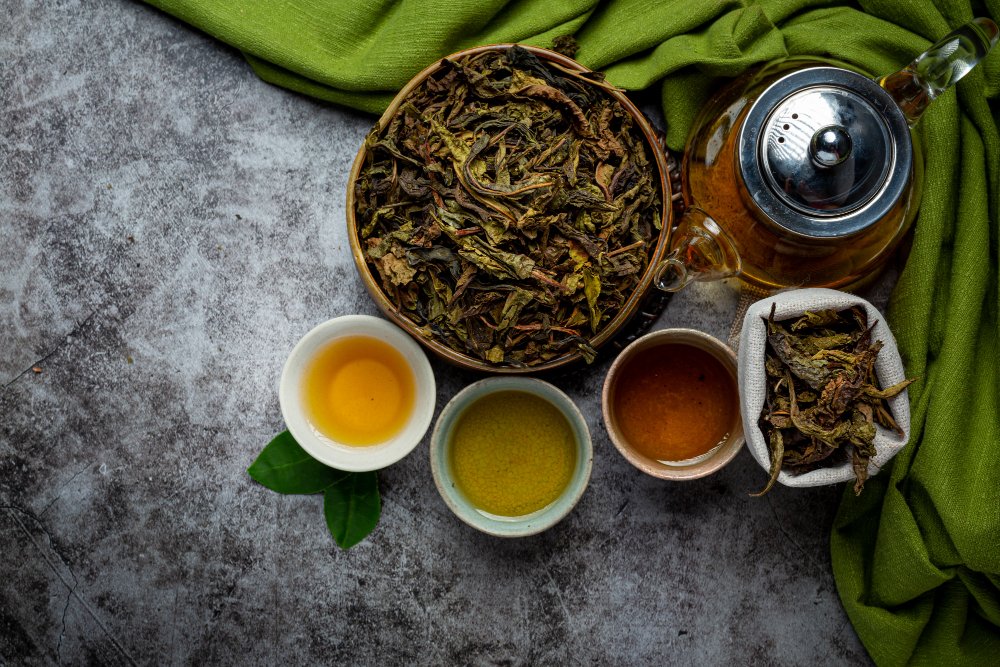
Green tea comes in many forms. Here are the most common:
1. Japanese Green Tea
- Matcha – powdered green tea, whisked into water
- Sencha – the most popular daily-drinking tea
- Gyokuro – shade-grown, sweet, and rich
- Bancha – lower caffeine, earthy flavor
2. Chinese Green Tea
- Longjing (Dragon Well) – smooth, nutty flavor
- Gunpowder – rolled pellets, strong taste
- Bi Luo Chun – floral, aromatic
3. Green Tea Extracts
Used in:
- Supplements
- Energy drinks
- Skincare products
Each type has a distinct flavor and strength, but all share similar core benefits. Nutritional Profile of Green Tea
Although low in calories, green tea contains a unique mix of natural compounds:
- Catechins (EGCG, EGC, ECG)
- Polyphenols
- Caffeine
- Amino acid L-theanine
- Flavonoids
- Small amounts of minerals
This combination especially caffeine + L-theanine is what gives green tea its balanced energy effect without the jitteriness of coffee.
Health Benefits of Green Tea
Below are the most commonly discussed, science-supported general wellness benefits of green tea. These are not medical treatments but supportive lifestyle benefits.
1. High in Antioxidants
Green tea is rich in antioxidant compounds called catechins, especially EGCG. Antioxidants help protect cells from everyday oxidative stress caused by:
- Pollution
- UV exposure
- Metabolic processes
- General aging
This protective effect is part of why green tea is associated with long-term wellness.
2. Supports Healthy Brain Function
Green tea contains caffeine, but much less than coffee. On average, a cup of green tea has:
- 20–45 mg caffeine (coffee has 80–120 mg)
Caffeine supports alertness, focus, and concentration. But green tea also contains L-theanine, an amino acid that promotes calmness and relaxation.
Together, caffeine + L-theanine can:
- Improve focus
- Support calm mental clarity
- Reduce jittery feelings
This is why many people feel more balanced energy from green tea compared to coffee.

3. Supports Natural Metabolism and Energy Balance
Green tea is often included in wellness and weight-management routines because:
- Caffeine helps boost energy
- Catechins support natural metabolic processes
- EGCG may promote fat oxidation during exercise
While green tea is not a weight-loss product, it can be a helpful part of a healthy lifestyle.
4. Helps Maintain Healthy Blood Sugar Levels
Green tea is frequently discussed in relation to healthy glucose metabolism. Its polyphenols may support:
- Balanced insulin activity
- Slower carbohydrate absorption
- More stable energy levels
This can reduce sudden energy crashes after meals.
5. Supports Heart Health Naturally
Green tea’s antioxidants and polyphenols play a role in supporting:
- Healthy cholesterol levels
- Circulatory function
- Normal blood pressure
People who regularly drink green tea as part of a balanced diet often experience general cardiovascular wellness benefits.
6. Promotes Healthy Digestion
Warm green tea can:
- Soothe the stomach
- Support digestion after meals
- Encourage hydration
- Help reduce bloating
Matcha, in particular, contains fiber and chlorophyll that may support overall digestive health.
7. May Support Skin Health
Green tea is often used in skincare because of its antioxidant and soothing properties. It may help:
- Reduce everyday skin irritation
- Protect against environmental stress
- Support smoother, healthier-looking skin
Green tea extracts are used in many creams, serums, and toners.
8. Supports Immune System Strength
Thanks to its antioxidants, green tea may support the body’s natural immune responses.
It contains:
- Vitamin C (small amounts)
- Catechins
- Polyphenols
- Antimicrobial properties
This makes it a supportive beverage during seasonal changes.
How to Use Green Tea for the Best Results
Green tea can be enjoyed in many ways. Here’s how to get the most out of it.
1. Drinking Green Tea
The simplest and most popular method.
How to Brew Green Tea Properly
- Water temperature: 70°C–80°C (160°F–180°F)
- Steep time: 1–3 minutes
Using boiling water can make green tea bitter.
Best Times to Drink
- Morning (gentle caffeine boost)
- Before or after meals
- Afternoon for focus
Avoid drinking late at night if you’re sensitive to caffeine.
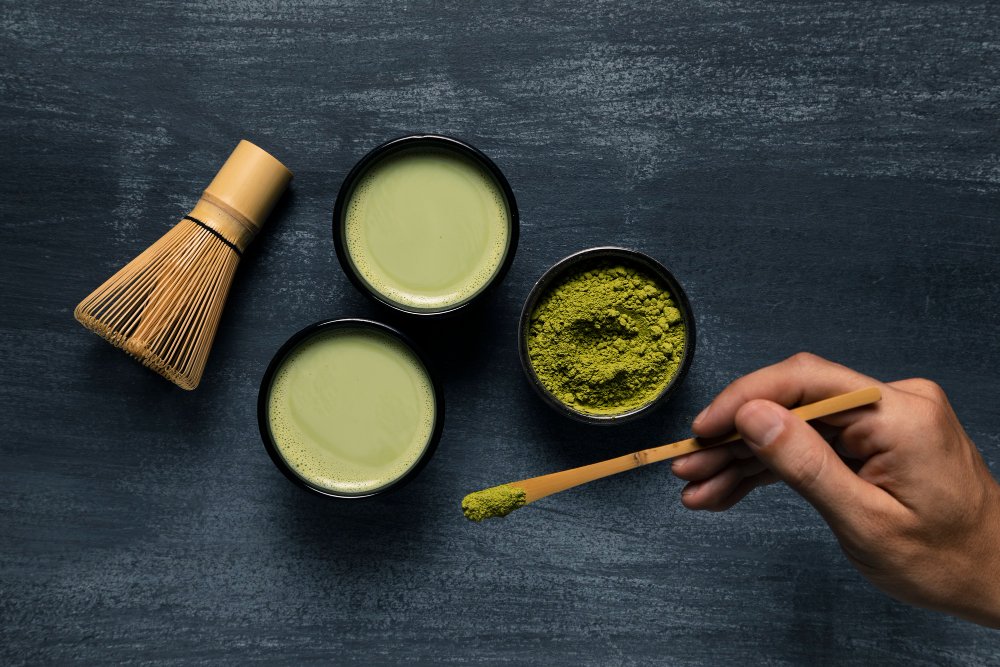
2. Drinking Matcha
Matcha is powdered green tea and offers stronger benefits because you consume the whole leaf.
How to Prepare Matcha
- 1 teaspoon matcha
- Whisk in warm water using a bamboo whisk
- Optional: add milk for a matcha latte
Matcha contains more caffeine and antioxidants than regular green tea.
3. Green Tea Supplements
Available as:
- Capsules
- Tablets
- Liquid extracts
- Powders
These are convenient for people who don’t enjoy the flavor of tea.
4. Green Tea in Skincare
Common products include:
- Green tea toners
- Serums
- Eye creams
- Face masks
Green tea extract helps calm, hydrate, and protect the skin.
5. Iced Green Tea and Cold Brew
Cold brewing reduces bitterness and increases smoothness.
How to Make Cold Brew Green Tea
- Add 2 teaspoons tea leaves to cold water
- Refrigerate 6–8 hours
- Strain and enjoy
Who Should Drink Green Tea?
Green tea is generally suitable for:
1. People Who Want Gentle, Clean Energy
Its caffeine + L-theanine combination provides alertness without jitteriness.
2. Individuals Interested in Antioxidant Support
Green tea is one of the richest natural sources of antioxidants.
3. People Seeking Healthy Weight Management
Green tea supports metabolism and natural energy.
4. Those Who Want Better Focus
Students, office workers, and anyone who needs concentration often benefit.
5. People Looking for a Healthy Beverage Alternative
Green tea is calorie-free and hydrating.
Who Should NOT Drink Green Tea?
Some individuals should be cautious.
1. People Sensitive to Caffeine
Even though green tea has less caffeine than coffee, it can still cause:
- Restlessness
- Increased heart rate
- Sleep problems
2. Pregnant or Breastfeeding Individuals
Green tea contains caffeine. High amounts should be avoided.
3. People with Stomach Sensitivities
Green tea may cause discomfort if consumed on an empty stomach.
4. Anyone Taking Certain Medications
High doses of green tea extract may interact with medications.
People with medical conditions should consult a professional before using supplements.
Possible Side Effects of Green Tea
While generally safe, excessive consumption may lead to:
- Nervousness
- Insomnia
- Headaches
- Acid reflux
- Upset stomach
- Iron absorption interference (drink between meals)
Moderation is key.
Green Tea vs. Black Tea
| Feature | Green Tea | Black Tea |
| Processing | Not oxidized | Fully oxidized |
| Flavor | Fresh, grassy | Bold, malty |
| Caffeine | Low to moderate | Moderate |
| Antioxidants | Higher in catechins | Higher in theaflavins |
| Color | Light green/yellow | Dark brown/black |
Both are healthy; the better choice depends on personal preference.
Green Tea and Weight Management
Green tea supports natural weight management in several ways:
- Boosts energy
- Supports fat oxidation during exercise
- Helps balance metabolism
- Provides a low-calorie beverage option
- Reduces cravings when used regularly
Matcha is especially helpful due to its higher antioxidant and caffeine levels.
Green Tea and Brain Function
The caffeine and L-theanine combination supports:
- Alertness
- Mental clarity
- Focus
- Calmness
- Productivity
This effect makes green tea a favorite for students and professionals.
Green Tea and Heart Health
Green tea’s polyphenols may contribute to:
- Balanced cholesterol levels
- Healthy circulation
- Reduced oxidative stress
These effects support long-term cardiovascular wellness.
Should You Add Green Tea to Your Daily Routine?
Absolutely. Green tea is a simple, affordable, and naturally powerful beverage that supports daily wellness. With its unique blend of antioxidants, gentle caffeine, and soothing L-theanine, green tea provides balanced energy, supports brain function, helps digestion, and fits beautifully into a healthy lifestyle.
Whether you prefer a smooth cup of sencha, a bold Chinese green tea, or a vibrant bowl of matcha, green tea offers benefits that extend far beyond flavor. As long as you enjoy it in moderation and stay mindful of caffeine, it can become one of the smartest additions to your everyday habits.
FAQ
How much green tea should I drink daily?
Most people drink 2–4 cups per day.
Does green tea contain caffeine?
Yes, but less than coffee.
Is matcha stronger than green tea?
Yes, matcha has more caffeine and antioxidants.
Can I drink green tea at night?
If you’re sensitive to caffeine, it may disrupt sleep.
Can green tea help with stress?
L-theanine may support calmness and relaxation.
Leave a Reply