
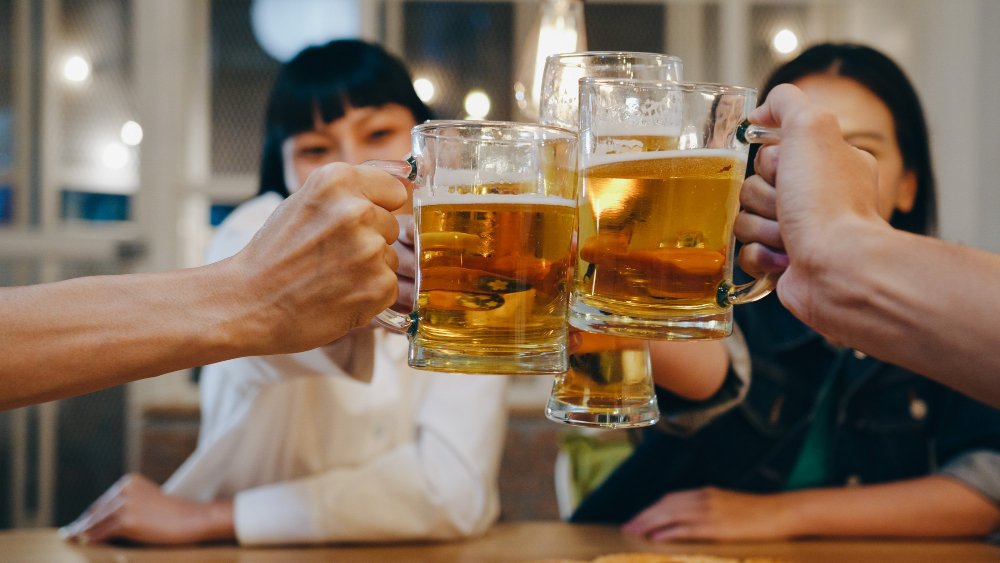
For many people, social life and alcohol seem deeply connected. From dinners and parties to celebrations and networking events, drinking is often seen as the “normal” way to relax, connect, and have fun.
But what if you want to drink less, without feeling isolated, awkward, or left out?
The good news is that reducing alcohol doesn’t mean giving up your social life. In fact, many people discover that drinking less improves their energy, confidence, sleep, mood, and relationships while still allowing them to enjoy meaningful social experiences.
Why More People Are Choosing to Drink Less
In recent years, more people have become aware of how alcohol affects:
- Sleep quality
- Mental health
- Weight and metabolism
- Energy levels
- Anxiety and stress
- Long-term health risks
As a result, the “sober curious” movement has grown rapidly. Many individuals are not necessarily quitting alcohol completely, they simply want a healthier relationship with it.
Reducing alcohol can lead to:
- Better mornings
- Improved focus
- More stable mood
- Reduced anxiety
- Better physical health
And importantly, it doesn’t require giving up social connection.
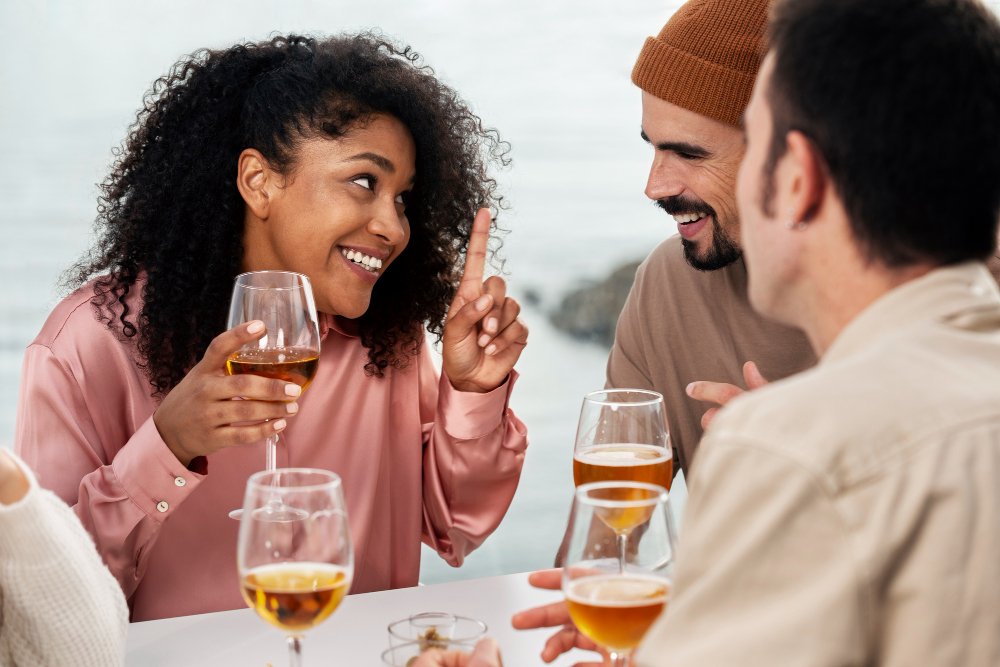
1. Change the Goal: Focus on Connection, Not Alcohol
Many people assume alcohol creates fun, but often, what actually matters is:
- Conversation
- Shared experiences
- Laughter
- Feeling included
When you shift your focus from drinking to connecting, social situations feel less dependent on alcohol.
Ask yourself:
- Am I here to drink, or to enjoy people?
- What part of socializing do I truly value?
This mindset shift can make drinking less feel empowering rather than restrictive.
2. Start with Small Changes Instead of Extreme Rules
You do not have to suddenly become completely alcohol-free unless you want to.
Small, realistic changes are often more sustainable:
- Drink one less drink than usual
- Alternate alcohol with water
- Delay your first drink
- Choose alcohol-free days during the week
These strategies help reduce intake without dramatically changing your routine.
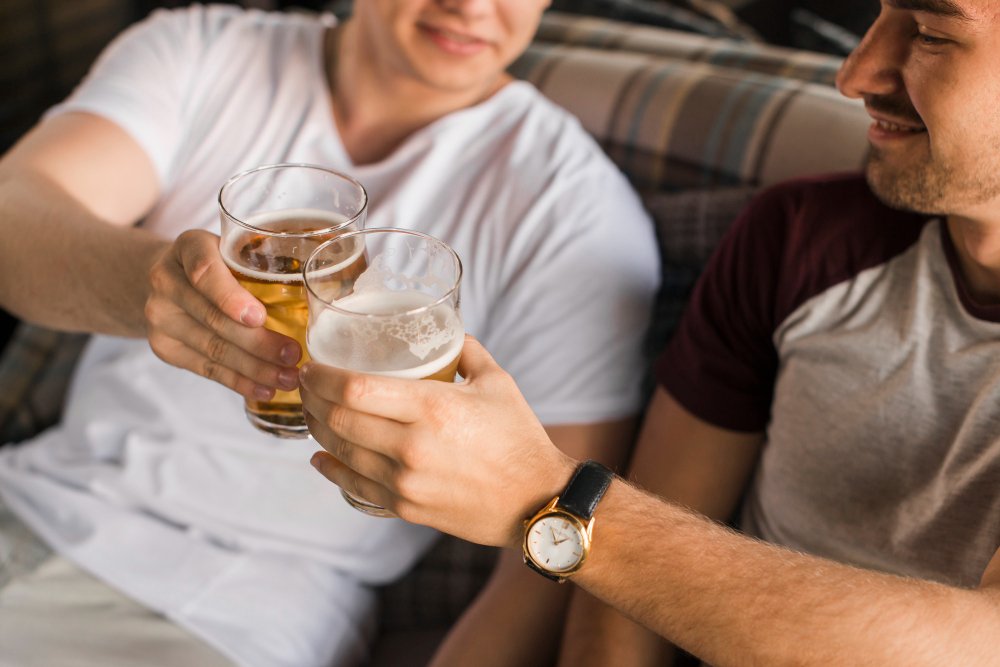
3. Try Alcohol-Free Alternatives
Non-alcoholic options have improved significantly in recent years.
You can now find:
- Alcohol-free beer
- Mocktails
- Sparkling water with citrus
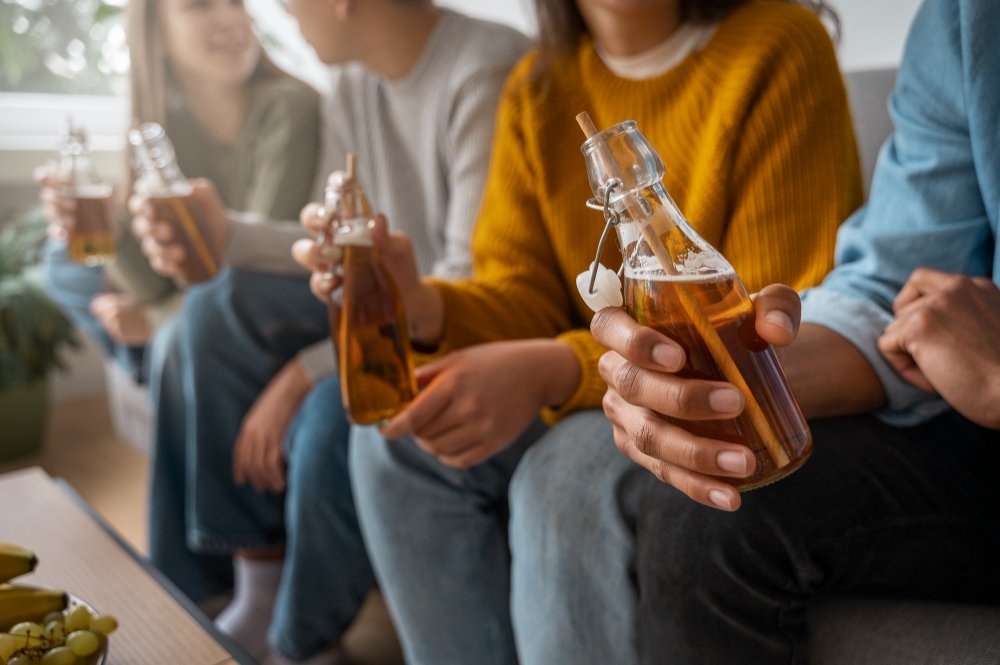
- Kombucha
- Non-alcoholic wine
Holding a drink can also reduce social pressure because people are less likely to ask questions.
4. Learn to Handle Social Pressure with Confidence
One of the hardest parts of drinking less is fear of judgment.
But in reality, most people pay far less attention than we think.
Simple responses work well:
- “I’m taking it easy tonight.”
- “I’m focusing on my health.”
- “I feel better when I drink less.”
You do not owe anyone a long explanation.
Confidence reduces awkwardness.
5. Notice How Alcohol Actually Makes You Feel
Many people drink automatically without reflecting on the aftermath.
Ask yourself:
- How do I feel the next morning?
- Does alcohol reduce stress, or increase anxiety later?
- Do I actually enjoy it every time?
Becoming more mindful helps you make intentional choices rather than habitual ones.
6. Protect Your Sleep and Mental Health
Alcohol may feel relaxing initially, but it often:
- Disrupts deep sleep
- Increases nighttime awakenings
- Worsens anxiety the next day
- Reduces emotional resilience
Many people are surprised how much better they feel emotionally after reducing alcohol.
Better sleep alone can improve:
- Mood
- Energy
- Focus
- Cravings
- Stress management
7. Suggest Social Activities That Don’t Revolve Around Drinking
Social connection does not have to center around bars or heavy drinking.
Ideas include:
- Coffee meetups
- Walks or hikes
- Brunch
- Fitness classes
- Game nights
- Outdoor activities
- Movie nights
Creating different types of social experiences helps normalize connection without alcohol.
8. Be Prepared for Emotional Triggers
Sometimes alcohol becomes linked with:
- Stress relief
- Loneliness
- Social anxiety
- Emotional escape
If drinking less feels emotionally difficult, it’s important to explore what alcohol has been helping you cope with.
Healthier coping tools may include:
- Therapy
- Exercise
- Journaling
- Meditation
- Supportive friendships
Reducing alcohol is not just behavioral, it can also be emotional growth.
9. Celebrate the Benefits You Notice
When people drink less, they often experience:
- Better skin
- Improved energy
- Reduced bloating
- Better workouts
- More emotional stability
- Increased productivity
Tracking these positive changes reinforces motivation and helps make the habit sustainable.
10. Remember: You Can Still Have Fun
One of the biggest fears people have is:
“Will I still enjoy social life if I drink less?”
The answer is yes.
Fun comes from:
- Presence
- Confidence
- Genuine connection
- Shared experiences
Not from alcohol itself.
Many people eventually discover they enjoy social events more when they feel healthier, more aware, and more authentic.
Conclusion
Drinking less does not mean losing your social life, it means redefining it in a healthier and more intentional way.
You don’t need extreme rules or perfection. Small changes, self-awareness, and confidence can help you reduce alcohol while still enjoying meaningful relationships and social experiences.
The goal is not isolation. The goal is balance.
And often, the people who truly care about you will support choices that improve your well-being.
FAQ
1. Can I drink less without quitting alcohol completely?
Yes. Many people improve their health simply by reducing alcohol intake rather than eliminating it entirely.
2. How can I socialize without drinking?
Focus on conversation, activities, and connection rather than alcohol itself.
3. Will my friends judge me for drinking less?
Most people are more accepting than expected, especially when you respond confidently.
4. Does drinking less improve sleep?
Yes. Alcohol disrupts deep sleep and reducing it often improves sleep quality significantly.
5. What are good non-alcoholic alternatives?
Mocktails, sparkling water, kombucha, and alcohol-free beers are popular options.
6. Why do I crave alcohol during stress?
Alcohol temporarily affects stress chemicals in the brain, which can create emotional reliance over time.
A thoughtful and informative read! ❤️ It’s great to see the focus on both emotional connection and overall well-being. Healthy…
Hi, Great tips I’ve found that combining healthy eating habits with GLP-1 support has made staying on track much easier.…
Less Alcohol is good
I have registered in pilates class. really energetic
I have ever thought about it. great


Leave a Reply