
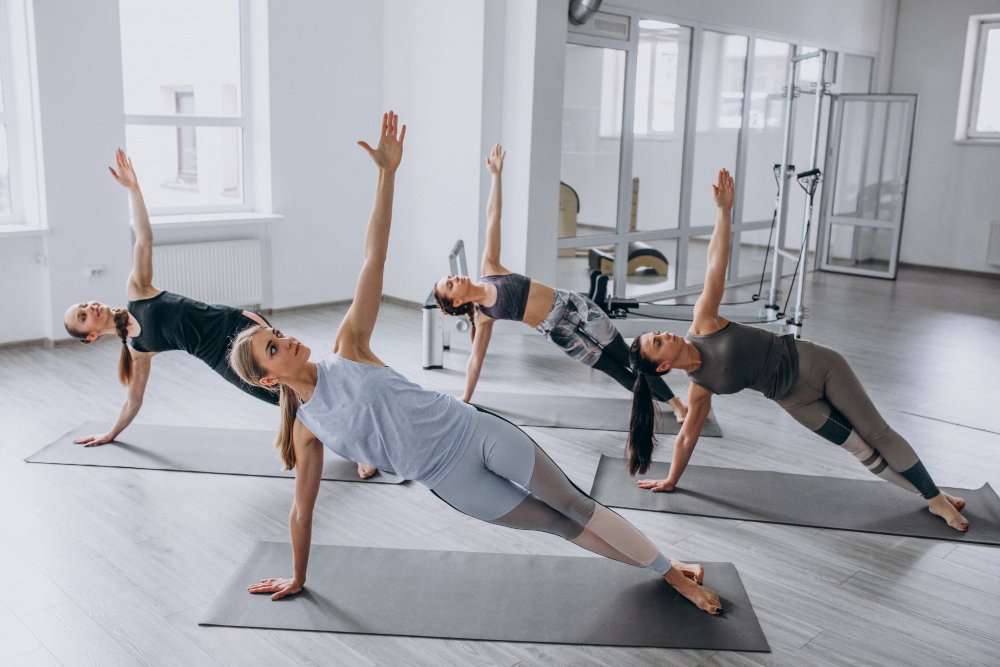
In a world where many people spend long hours sitting, dealing with stress, and struggling to maintain consistent exercise habits, Pilates offers a sustainable, low-impact solution. Designed to strengthen the body, improve flexibility, and connect movement with breath, Pilates is especially effective when practiced as a daily routine.
This article explains what Pilates Routine is, how it works, its benefits for physical and mental health, and how to build a simple daily practice that fits real life.
What Is Pilates?
Pilates is a system of exercise developed by Joseph Pilates in the early 20th century. Originally called “Contrology,” it emphasizes controlled movements, alignment, breathing, and core strength.
Unlike high-intensity workouts, Pilates focuses on quality over quantity, slow, precise movements that build strength from the inside out, particularly in the deep stabilizing muscles of the abdomen, back, and pelvis.
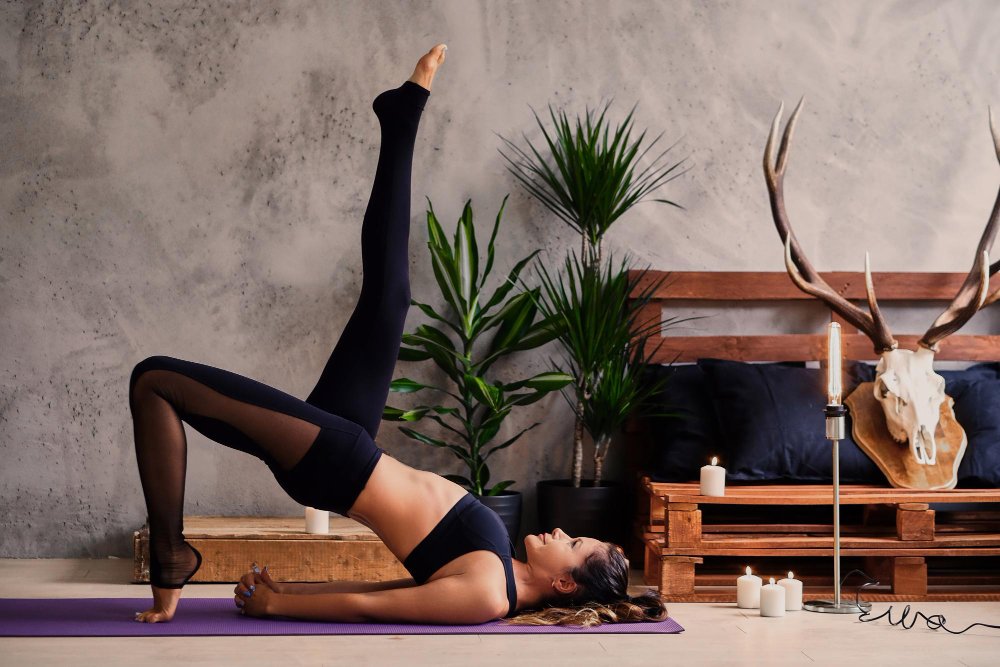
Why Pilates Works Well as a Daily Routine
Not all forms of exercise are suitable for daily practice. High-intensity workouts often require rest days, while Pilates is:
- Low-impact (gentle on joints)
- Scalable (adjustable for beginners to advanced)
- Time-efficient (effective even in short sessions)
- Restorative (supports recovery and mobility)
Because of these characteristics, Pilates can be practiced daily without overloading the body, making it ideal for building long-term habits.
Types of Pilates
1. Mat Pilates
- Performed on a mat using body weight
- Accessible and cost-effective
- Ideal for daily home routines
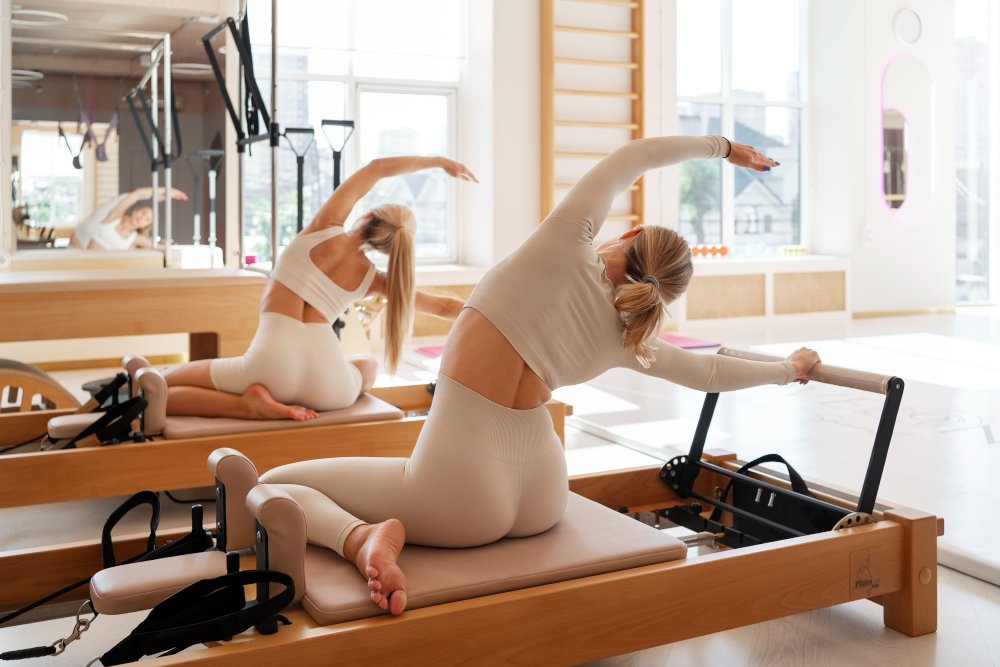
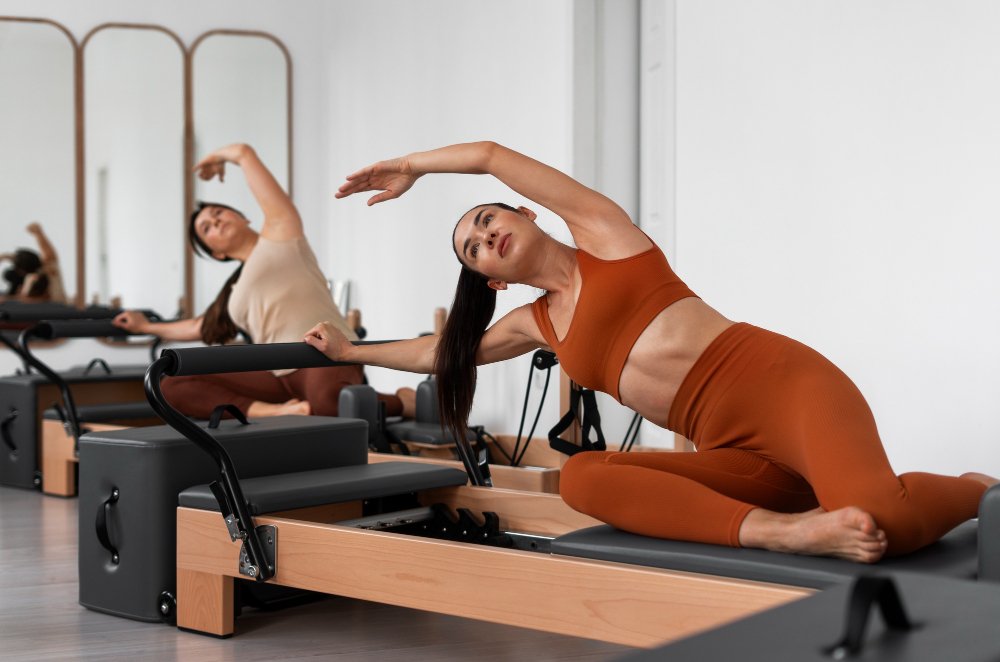
2. Reformer Pilates
- Uses a machine with springs for resistance
- Offers more variety and support
- Often guided in studios
3. Clinical or Rehab Pilates
- Designed for injury recovery and rehabilitation
- Supervised by trained professionals
For a daily routine, mat Pilates is usually the most practical starting point.
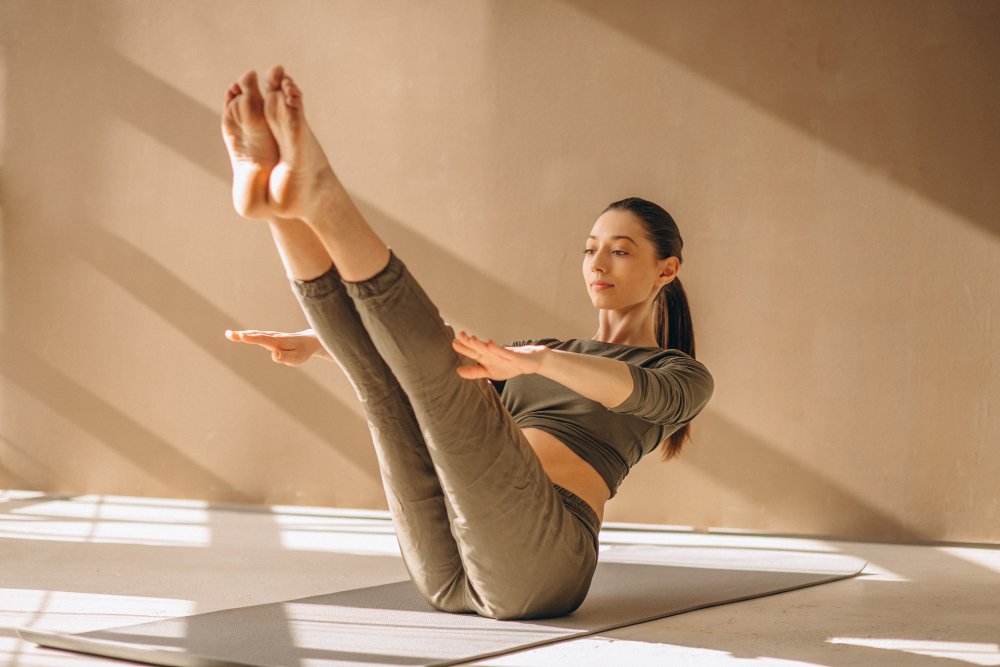
Key Benefits of Daily Pilates Practice
1. Core Strength and Stability
Pilates is well known for strengthening the “core,” but this goes beyond visible abdominal muscles. It targets:
- Deep abdominal muscles
- Lower back stabilizers
- Pelvic floor
A strong core improves posture, balance, and overall movement efficiency.
2. Improved Posture
Modern lifestyles often lead to poor posture due to prolonged sitting and screen use.
Daily Pilates helps:
- Align the spine
- Strengthen postural muscles
- Reduce neck and back strain
Over time, this can significantly improve how you sit, stand, and move.
3. Increased Flexibility and Mobility
Pilates combines strength with stretching, helping to:
- Improve joint mobility
- Reduce stiffness
- Enhance range of motion
Unlike static stretching alone, Pilates builds functional flexibility, the ability to move well in daily life.
4. Better Mental Health and Stress Reduction
Pilates integrates breathing and mindful movement, which supports mental well-being.
Benefits include:
- Reduced stress and anxiety
- Improved focus and clarity
- Greater mind-body awareness
This makes Pilates not just a physical exercise, but also a mental reset.
5. Injury Prevention and Pain Reduction
Because Pilates emphasizes alignment and controlled movement, it can help:
- Reduce lower back pain
- Improve joint stability
- Prevent overuse injuries
It is commonly recommended for people recovering from injuries or managing chronic pain.
6. Support for Habit Building
Pilates is particularly effective for building consistent exercise habits because:
- It can be done at home
- Sessions can be short (10–20 minutes)
- It doesn’t require heavy equipment
- It feels rewarding without exhaustion
This lowers the barrier to consistency, which is the key to long-term success.
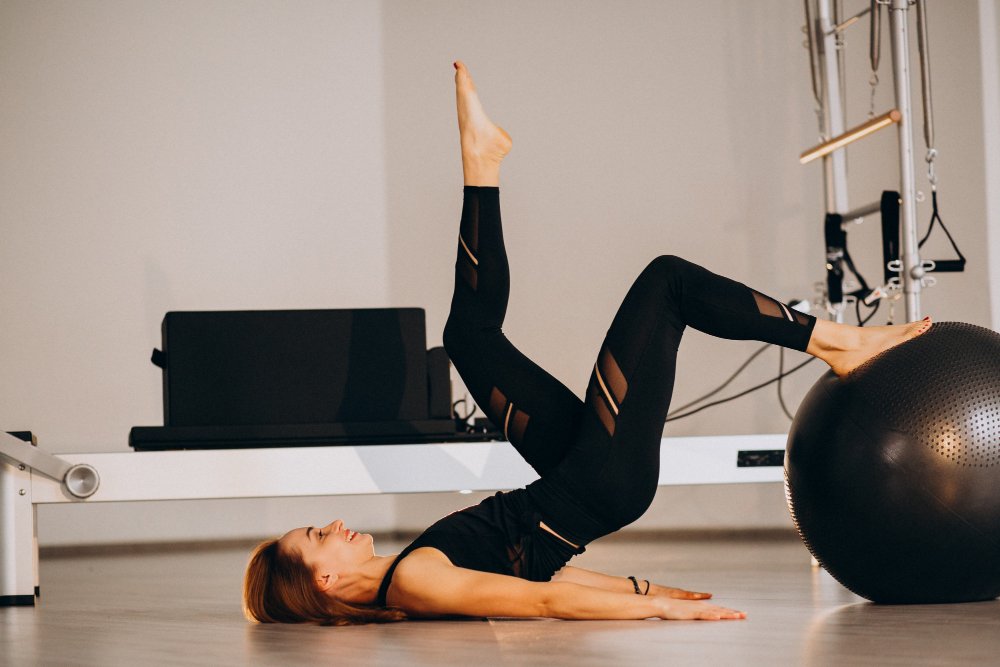
Mental Health and Daily Consistency
One of the most overlooked benefits of Pilates is its impact on routine and emotional stability.
Starting your day with Pilates can:
- Create a sense of control
- Reduce morning stress
- Improve mood and energy
Unlike intense workouts that may feel overwhelming, Pilates offers a calm and sustainable entry into the day.
How to Build a Daily Pilates Routine
You don’t need a complicated program to get started. A simple structure works best.
Step 1: Start Small
Begin with 10–15 minutes per day. Consistency is more important than duration.
Step 2: Focus on Key Movements
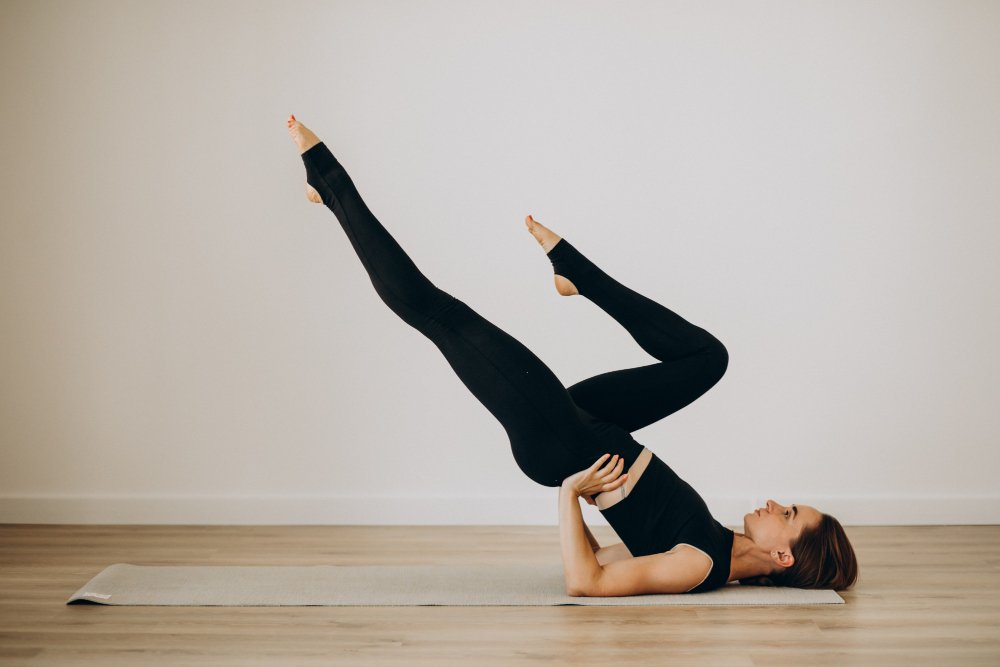
A balanced routine may include:
- Core activation (e.g., pelvic tilts)
- Gentle stretching (spine, hips)
- Controlled strength movements (leg lifts, bridges)
- Breathing exercises
Step 3: Choose the Right Time
Common options:
- Morning (energizing and grounding)
- Midday (break from sitting)
- Evening (relaxation and recovery)
The best time is the one you can maintain consistently.
Step 4: Create a Dedicated Space
Even a small, quiet area at home can help reinforce the habit.
- Keep your mat visible
- Remove distractions
- Make it easy to start
Step 5: Progress Gradually
As your strength and confidence grow:
- Increase session time
- Add new exercises
- Explore guided programs
Avoid rushing, progress should feel steady and sustainable.
Common Mistakes to Avoid
1. Prioritizing Speed Over Control
Pilates is about precision, not speed. Rushing reduces effectiveness.
2. Inconsistent Practice
Skipping days breaks the habit loop. Aim for regular, even short sessions.
3. Ignoring Breathing
Breath is central to Pilates. It supports movement and reduces tension.
4. Expecting Immediate Results
Like any habit, results come with consistency over time.
Who Can Benefit from Daily Pilates?
Pilates is suitable for:
- Beginners starting a fitness journey
- Office workers with sedentary lifestyles
- Individuals with back or joint discomfort
- Older adults seeking low-impact exercise
- Anyone looking to improve posture and flexibility
However, individuals with medical conditions should consult a healthcare professional before starting.
Pilates and Lifestyle Medicine
Pilates aligns closely with the principles of lifestyle medicine, which emphasizes prevention through daily habits.
It supports:
- Physical activity
- Stress management
- Body awareness
- Long-term health
As part of a balanced lifestyle, including nutrition, sleep, and mental well-being, Pilates can contribute to overall health improvement.
Conclusion: A Sustainable Path to Better Health
Pilates is not just an exercise, it is a daily practice of mindful movement that strengthens the body and calms the mind.
Its low-impact nature, adaptability, and focus on consistency make it one of the most practical forms of exercise for long-term health.
You don’t need long sessions or complex routines.
You just need to start small and stay consistent.
Over time, these daily movements can lead to:
- Better posture
- Stronger core
- Reduced stress
- Improved quality of life
In a busy world, Pilates offers something rare:
a simple, effective, and sustainable way to take care of your body, every day.
FAQ
1. Can Pilates be done every day?
Yes, Pilates is low-impact and can be safely practiced daily, especially at moderate intensity.
2. How long should a daily Pilates session be?
Even 10–20 minutes per day can provide significant benefits if done consistently.
3. Is Pilates good for beginners?
Yes, Pilates is beginner-friendly and can be adapted to all fitness levels.
4. Does Pilates help with mental health?
Yes, it reduces stress, improves focus, and promotes mind-body connection.
5. Do I need equipment for Pilates?
No, mat Pilates requires minimal equipment and can be done at home.
Leave a Reply