

When people struggle with weight loss, they often focus only on diet and exercise. However, there is another powerful factor that is frequently overlooked: cortisol, commonly known as the “stress hormone.” And we can know about benefits of cortisol in weight loss.
Cortisol plays an essential role in the body, but when it becomes chronically elevated, it can significantly interfere with weight loss efforts. Understanding how cortisol works, and how to manage it, can help you take a more complete, science-based approach to achieving a healthy weight.
What Is Cortisol?
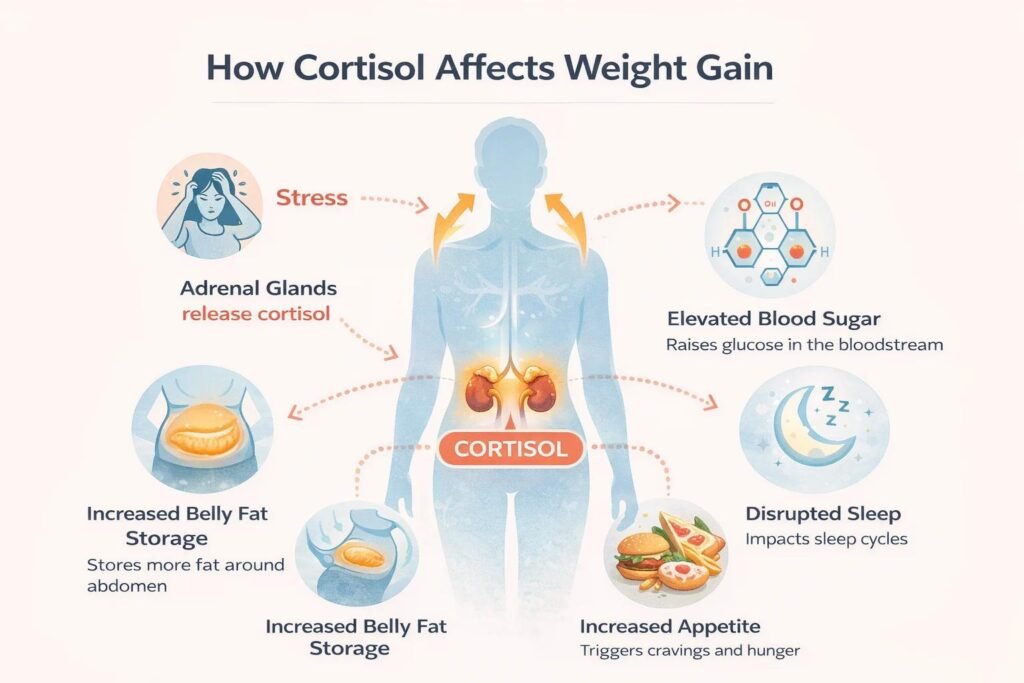
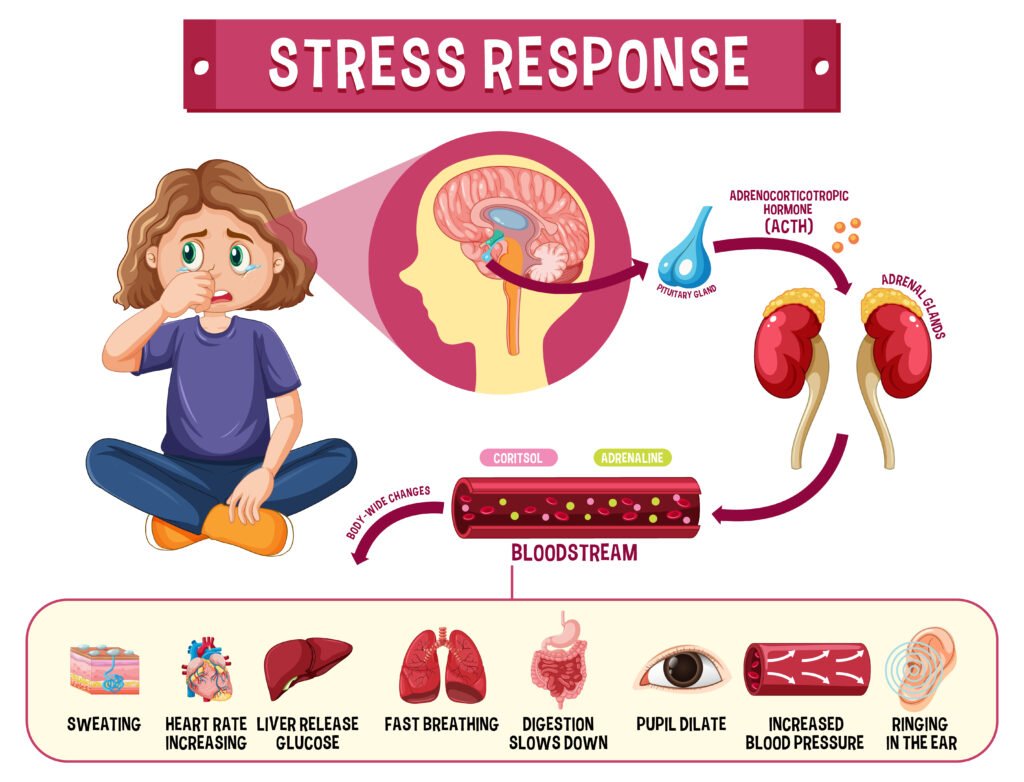
Cortisol is a hormone produced by the adrenal glands in response to stress. It is part of the body’s fight-or-flight system, designed to help you respond to challenges.
In the short term, cortisol is beneficial. It helps:
- Increase energy availability
- Regulate blood sugar
- Support alertness and focus
However, problems arise when cortisol levels remain consistently elevated, often due to chronic stress, poor sleep, or unhealthy lifestyle habits.
What is Benefits of Cortisol in Weight Loss?
Cortisol influences several processes in the body that are directly related to weight management.
1. Increased Appetite and Cravings
High cortisol levels can increase hunger and lead to cravings, especially for:
- Sugary foods
- Processed carbohydrates
- High-fat comfort foods
This happens because the body seeks quick energy sources during stress.
2. Fat Storage (Especially Around the Abdomen)
Chronic cortisol elevation is associated with increased fat storage, particularly visceral fat (fat around the abdominal area).
This type of fat is not only harder to lose but is also linked to higher health risks, including metabolic diseases.
3. Blood Sugar Imbalance
Cortisol raises blood glucose levels to provide immediate energy.
Over time, this can:
- Reduce insulin sensitivity
- Increase the risk of weight gain
- Make fat loss more difficult
4. Muscle Breakdown
In prolonged stress conditions, cortisol can lead to muscle breakdown.
Since muscle mass is important for metabolism, losing muscle can slow down calorie burning and make weight loss harder.
5. Disrupted Sleep
High cortisol levels can interfere with sleep quality.
Poor sleep is strongly linked to:
- Increased appetite
- Reduced energy
- Hormonal imbalance
This creates a cycle where stress and poor sleep reinforce each other.
The Connection Between Stress and Weight Gain
Modern life often exposes people to chronic, low-level stress:
- Work pressure
- Financial concerns
- Lack of time
- Digital overload
Unlike short-term stress, chronic stress keeps cortisol levels elevated for long periods.
This leads to:
- Emotional eating
- Reduced motivation for exercise
- Hormonal imbalance
As a result, even with a healthy diet, weight loss can become more challenging.
Signs Your Cortisol May Be Affecting Your Weight
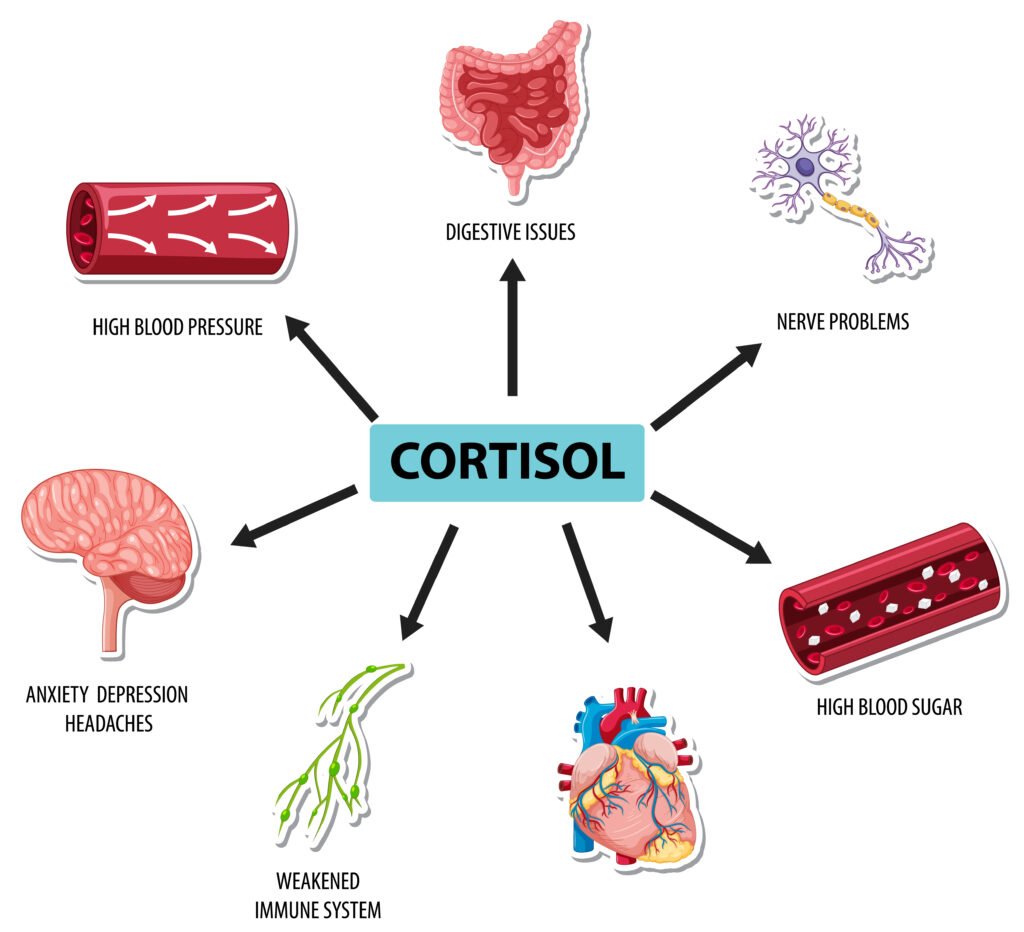
While cortisol levels require medical testing for confirmation, some common signs include:
- Difficulty losing weight despite effort
- Increased belly fat
- Frequent cravings for sugar or snacks
- Poor sleep quality
- Feeling constantly tired or stressed
If these patterns are persistent, it may be helpful to look beyond diet and exercise alone.
How to Manage Cortisol for Better Weight Loss
Managing cortisol is not about eliminating stress completely, it’s about improving how your body responds to it.
1. Prioritize Quality Sleep
Sleep is one of the most effective ways to regulate cortisol.
Tips:
- Maintain a consistent sleep schedule
- Avoid screens before bed
- Create a relaxing bedtime routine
Aim for 7–9 hours of quality sleep per night.
2. Practice Stress Management
Simple daily practices can significantly reduce cortisol levels:
- Deep breathing
- Meditation
- Yoga or gentle movement
- Spending time in nature
Even 10–15 minutes per day can make a difference.

3. Exercise Smartly
Exercise helps regulate cortisol, but too much intense exercise can increase it.
Best approach:
- Combine strength training with moderate activity
- Include low-intensity movement (walking, stretching)
- Avoid overtraining
Balance is key.
4. Eat Balanced, Nutrient-Dense Meals
Diet plays an important role in stabilizing cortisol.
Focus on:
- Whole foods
- Adequate protein
- Healthy fats
- Fiber-rich carbohydrates
Avoid:
- Excess caffeine
- Highly processed foods
- Skipping meals
Balanced nutrition helps regulate blood sugar and reduce stress responses.
5. Build Consistent Daily Routines
Routine creates predictability, which reduces stress on the body.
Examples:
- Regular meal times
- Consistent sleep schedule
- Planned work and rest periods
This supports hormonal balance and overall well-being.
6. Limit Stimulants
High intake of caffeine and energy drinks can increase cortisol levels.
Try:
- Reducing caffeine intake
- Avoiding caffeine late in the day

Cortisol and Lifestyle Medicine
Cortisol management is a key part of lifestyle medicine, which focuses on addressing root causes of health issues rather than just symptoms.
By improving:
- Sleep
- Stress management
- Nutrition
- Physical activity
You can create an internal environment that supports both weight loss and long-term health.
Common Myths About Cortisol and Weight Loss
“Cortisol is bad”
Not true. Cortisol is essential for survival, it becomes problematic only when chronically elevated.
“Stress alone causes weight gain”
Stress is one factor among many, but it interacts with diet, sleep, and activity levels.
“You need supplements to control cortisol”
In most cases, lifestyle changes are more effective and sustainable than supplements.

A Balanced Perspective
Cortisol is not the enemy, it is a natural part of your body’s response system.
The goal is not to eliminate stress but to:
- Improve resilience
- Support recovery
- Maintain balance
When cortisol is managed properly, it supports energy, focus, and overall health.
Conclusion: A Missing Piece in Weight Loss
If you’ve been focusing only on calories and exercise but not seeing results, cortisol may be an important missing piece.
Weight loss is not just about what you eat or how much you move, it is also about how your body responds to stress.
By addressing cortisol through better sleep, stress management, balanced nutrition, and consistent routines, you can create a more supportive environment for sustainable weight loss.
In the end, lasting results come from working with your body, not against it.
FAQ
1. Does cortisol cause weight gain?
High cortisol levels can contribute to weight gain, especially around the abdomen, by increasing appetite and fat storage.
2. Can reducing stress help with weight loss?
Yes, managing stress can improve hormonal balance, reduce cravings, and support better weight loss outcomes.
3. How can I lower cortisol naturally?
You can reduce cortisol through better sleep, stress management, balanced nutrition, and regular physical activity.
4. Is exercise good for lowering cortisol?
Yes, moderate exercise helps reduce cortisol, but excessive intense exercise may increase it.
5. Why is belly fat linked to stress?
Cortisol promotes fat storage in the abdominal area, which is why chronic stress is often associated with belly fat.
Leave a Reply