
Are Grapes Good for Healthy Aging?
Grapes for healthy aging by providing fiber, vitamins, and plant compounds called polyphenols, including resveratrol. These compounds have attracted scientific interest because of their potential roles in cardiovascular health, cellular stress responses, and other processes associated with aging. However, human research has not established that eating grapes or taking resveratrol supplements slows aging or extends lifespan.
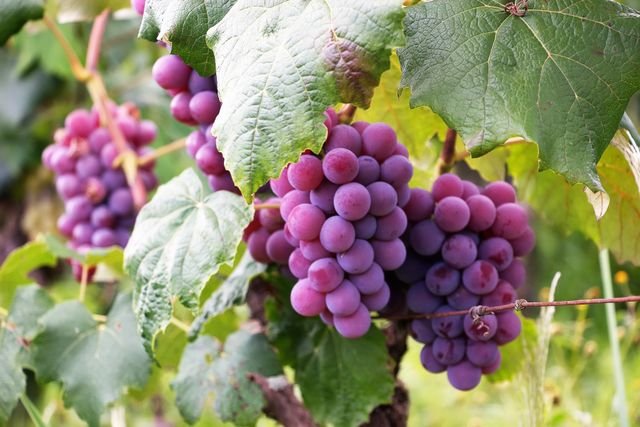
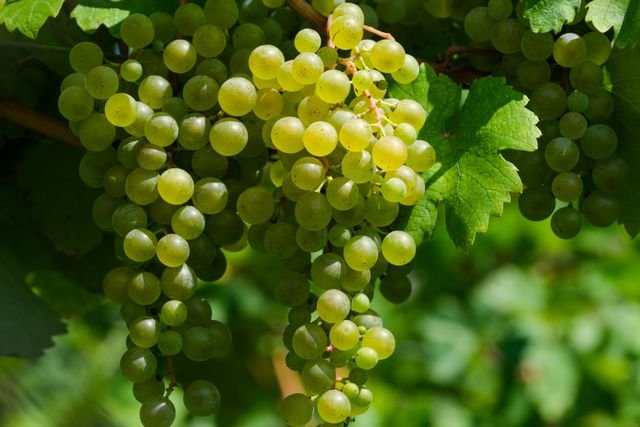
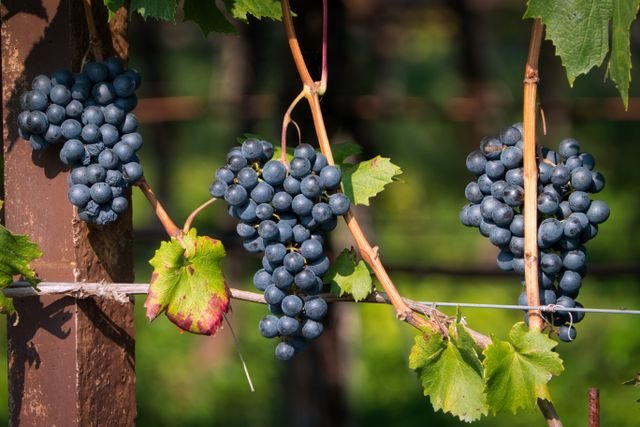
Red and purple grapes contain a range of polyphenols, particularly in their skins. Green grapes also provide beneficial nutrients and plant compounds, although their composition differs.
The best way to include grapes in a healthy-aging diet is to enjoy them as whole fruit alongside a varied, nutrient-rich eating pattern. Concentrated resveratrol supplements are not equivalent to eating grapes, and their long-term benefits remain uncertain.
What Makes Grapes Interesting for Healthy Aging?
Grapes contain several naturally occurring compounds that researchers are investigating for their potential health effects.
1. Resveratrol
Resveratrol is a polyphenol found in grape skins and certain other plant foods. Plants produce it in response to environmental stress, injury, and some infections.
Resveratrol became widely known because experiments in cells and animals suggested that it could influence biological pathways involved in inflammation, metabolism, and cellular stress responses.
One area of interest is its interaction with proteins and pathways associated with cellular maintenance, including sirtuins. These pathways are involved in several biological processes that researchers study in relation to aging.
However, a compound that affects a pathway in laboratory experiments does not necessarily produce the same effect in humans. Resveratrol is also metabolized relatively quickly, and its absorption and biological availability can vary.
The key takeaway: Resveratrol is scientifically interesting, but it has not been established as a proven anti-aging treatment for humans.
2. Anthocyanins
Anthocyanins are pigments that give many red, purple, and blue fruits their characteristic colors. They belong to the polyphenol family and are present in the skins of many dark-colored grapes.
Researchers study anthocyanins for their possible effects on blood vessel function, inflammation, and oxidative stress.
Grapes contain a mixture of polyphenols, and their potential effects should not be attributed to one compound alone. The composition varies with grape variety, ripeness, growing conditions, and processing.
3. Flavanols and other polyphenols
Grapes contain other polyphenols, including flavanols and proanthocyanidins. These compounds have been studied for their possible roles in vascular health and other physiological processes.
The amount and type of polyphenols differ between grape varieties and products. Whole grapes, grape juice, grape extracts, and wine therefore cannot be assumed to provide identical effects.
4. Fiber, water, and essential nutrients
Grapes also provide water, carbohydrates, and small amounts of dietary fiber, along with vitamins and minerals.
Although polyphenols attract attention in anti-aging research, the nutritional value of whole grapes is not limited to these compounds. Their water content and natural sweetness make them a convenient fruit to include in everyday meals and snacks.
How Might Grapes Support Healthy Aging?
Researchers have investigated grape-derived compounds in relation to several aspects of health. The evidence varies considerably by outcome, and findings from supplement studies should not automatically be applied to whole grapes.
1. Cardiovascular health
Cardiovascular health is an important component of healthy aging. Blood pressure, cholesterol levels, blood vessel function, physical activity, and dietary habits can all influence cardiovascular risk.
Grapes contain polyphenols that researchers have studied for their potential effects on blood vessel function and other cardiovascular markers.
Some clinical studies of grape-derived products have reported changes in selected measures, but results depend on the product used, its composition, the dose, and the participants’ health.
Evidence about resveratrol supplements is also mixed. A 2024 systematic review of clinical trials concluded that more high-quality studies are needed before resveratrol can be recommended for specific health conditions. Researchers have observed potential benefits in some settings, but these findings have not established a consistent treatment effect.
What this means: Whole grapes can be part of a heart-healthy diet, but they should not be considered a treatment for high blood pressure, elevated cholesterol, or cardiovascular disease.
2. Oxidative stress and cellular health
Oxidative stress occurs when reactive molecules accumulate beyond the body’s ability to manage them. This process is studied in relation to several chronic conditions and biological changes associated with aging.
Resveratrol and other grape polyphenols have demonstrated biological activity in laboratory experiments. Researchers have investigated whether these compounds influence cellular defense mechanisms and pathways involved in the body’s response to stress.
However, it is important to distinguish between laboratory findings and clinical outcomes.
A compound may show antioxidant activity in a test tube without producing a meaningful improvement in human health when consumed as food or a supplement. The human body absorbs, transforms, and eliminates plant compounds through complex processes.
What this means: Grapes provide useful nutrients and polyphenols, but there is insufficient evidence to claim that eating grapes reverses cellular aging or prevents age-related disease.
3. Brain health and cognitive function
Age-related changes in memory and cognitive function are another area of interest in resveratrol research.
Scientists have investigated whether resveratrol could influence processes related to brain metabolism, inflammation, and cellular function. Some small clinical studies have reported improvements in selected cognitive measures, while other studies have produced less conclusive results.
A systematic review published in 2024 examined clinical trials of resveratrol in older adults. It found promising results in some specific populations and outcomes, but the studies differed in dosage, duration, and participant characteristics. The authors also highlighted the need for more research on long-term effects and medication interactions.
These findings do not prove that eating grapes improves memory or prevents dementia. Studies using isolated resveratrol supplements also cannot be used as direct evidence that whole grapes produce the same effects.
What this means: Grapes can contribute to a varied diet that supports general health, but they should not be used as a treatment for cognitive decline or as a proven way to prevent dementia.
4. Metabolic health
Researchers have explored whether resveratrol affects glucose regulation, insulin sensitivity, and other metabolic measures.
Some studies have reported improvements in selected outcomes, particularly in certain groups of people with metabolic conditions. Other studies have found little or no benefit.
These inconsistencies may reflect differences in participants, doses, treatment duration, and study design. Importantly, the effects of concentrated supplements do not establish that eating grapes will produce the same changes.
Whole grapes contain naturally occurring sugars. For most people, they can fit into a balanced diet, but individuals managing diabetes may need to consider portion size and their overall carbohydrate intake.
What this means: Grapes can be included in a balanced eating pattern, but resveratrol supplements and grapes themselves should not replace evidence-based diabetes care.
Are Red Grapes Better Than Green Grapes for Anti-Aging?
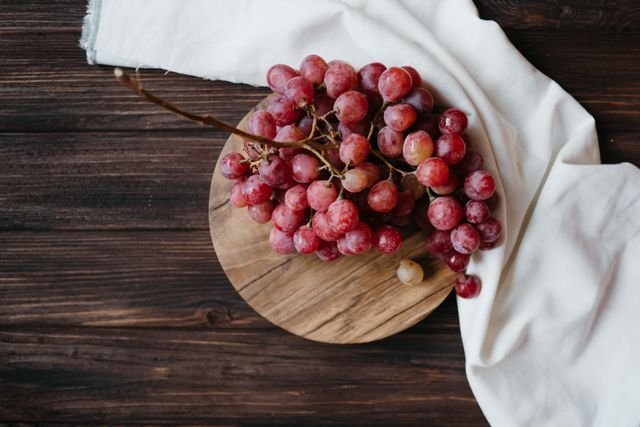
Red and purple grapes are often highlighted in discussions of resveratrol because their skins contain various polyphenols, including resveratrol and anthocyanins.
However, it is not possible to conclude that red grapes are universally better than green grapes for healthy aging.
Polyphenol concentrations vary by grape variety, growing conditions, ripeness, and storage. The amount of resveratrol in a serving of grapes is also much lower than the concentrated doses commonly used in supplement research.
A practical approach is to choose grapes you enjoy and vary your fruit intake rather than relying on a single variety for a specific anti-aging effect.
| Grape type | Notable characteristics | Practical consideration |
|---|---|---|
| Red grapes | Contain various polyphenols, including resveratrol | A convenient whole-fruit option |
| Purple grapes | Often contain anthocyanins in their skins | Provide naturally occurring pigments and other plant compounds |
| Green grapes | Provide water, carbohydrates, and other nutrients | Can also fit into a balanced diet |
| Seeded grapes | May provide additional seed-associated polyphenols when the seeds are consumed or processed | Benefits depend on the product and how it is consumed |
This comparison describes general characteristics, not proven differences in lifespan or anti-aging effects.
Whole Grapes, Grape Juice, Wine, or Resveratrol Supplements?
These products differ in composition, and evidence about one should not automatically be applied to another.
Whole grapes
Whole grapes provide water, natural carbohydrates, and some fiber alongside their plant compounds. They are an easy option for snacks or meals.
Wash grapes under running water before eating. If serving them to young children, cut them lengthwise into appropriate small pieces because whole grapes are a choking hazard.
Grape juice
Grape juice contains some grape-derived compounds, but juicing changes the food matrix and generally provides less fiber per serving than whole fruit.
Juice can also be easy to consume in larger quantities, increasing the amount of sugar consumed at one time. If you enjoy grape juice, consider the portion size and choose products without added sugar when possible.
Red wine
Resveratrol is also found in red wine because it originates partly from grape skins. However, the presence of resveratrol does not make wine a recommended anti-aging strategy.
Alcohol carries health risks, and there is no need to drink alcohol to obtain polyphenols. People who do not drink should not start drinking for potential resveratrol benefits.
Resveratrol supplements
Resveratrol supplements may contain concentrated amounts that differ substantially from the quantities found in ordinary foods.
Although research has examined these supplements in a variety of health conditions, there is no universally accepted dose for healthy aging, and the long-term benefits remain uncertain.
Supplement use also raises safety considerations, especially for people taking medications or managing chronic conditions.
For most people, whole grapes are a reasonable food choice. Concentrated resveratrol supplements should not be treated as proven longevity products.
Are Resveratrol Supplements Safe?
Resveratrol supplements are not risk-free simply because resveratrol occurs naturally in plants.
Reported side effects can include gastrointestinal discomfort. The risk may vary with the dose, product formulation, and duration of use.
Resveratrol may also affect blood clotting and the way certain medications are metabolized. People taking anticoagulants or antiplatelet medicines, or those preparing for surgery, should discuss supplementation with a healthcare professional.
People with chronic medical conditions, those taking multiple medications, and anyone considering high-dose or long-term supplementation should seek individualized medical advice before starting a product.
Pregnant or breastfeeding individuals should not assume that concentrated supplements are safe based on the presence of the compound in food.
The evidence from short-term clinical trials does not establish the safety or effectiveness of long-term resveratrol use for preventing aging-related conditions.
How Can You Include Grapes in a Healthy-Aging Diet?
You do not need a special supplement routine to benefit from the nutritional value of grapes.
Here are some practical ways to include them in your meals:
- Eat a serving of washed grapes as a snack.
- Add sliced grapes to a salad with leafy greens, nuts, and a source of protein.
- Combine grapes with plain yogurt and oats for breakfast.
- Serve grapes alongside other fruits to increase dietary variety.
- Keep washed grapes refrigerated for a convenient snack.
There is no established serving of grapes specifically for anti-aging. Choose an amount that fits your nutritional needs, preferences, and overall diet.
If you have diabetes or another condition that requires individualized dietary planning, follow the advice of your healthcare professional.
What Is the Best Way to Support Healthy Aging?
Grapes can contribute to a healthy eating pattern, but no single food has been shown to prevent aging.
A broader approach to healthy aging includes:
- Eating a variety of fruits, vegetables, whole grains, legumes, nuts, and other nutrient-rich foods.
- Engaging in regular physical activity suited to your abilities.
- Getting adequate and consistent sleep.
- Avoiding smoking and limiting harmful exposures.
- Monitoring and managing blood pressure, cholesterol, and blood glucose when needed.
- Maintaining social connections and addressing persistent health concerns with qualified healthcare professionals.
These habits support multiple aspects of health rather than relying on a single compound.
For a broader explanation of plant compounds and healthy aging, read our main guide, Natural Anti-Aging: Plant-Based Compounds for Healthy Aging. You can also explore our related articles on berries and anthocyanins, turmeric and curcumin, and garlic and cardiovascular health.
Conclusion
Grapes are nutritious fruits that provide water, carbohydrates, and a range of plant compounds, including resveratrol and other polyphenols. These compounds are of scientific interest because of their potential roles in cardiovascular, metabolic, and cellular health.
However, promising laboratory findings do not prove that grapes or resveratrol supplements slow aging in humans. Clinical evidence remains mixed, and the long-term benefits of supplementation are uncertain.
The practical takeaway is straightforward: enjoy grapes as part of a varied, balanced diet, but do not rely on them, or on concentrated resveratrol products, as a shortcut to longevity. Healthy aging is supported by consistent habits over time, not by a single food or supplement.
FAQs:
1. Do grapes slow down aging?
Grapes contain polyphenols, including resveratrol, that are being studied for their biological effects. However, current evidence does not establish that eating grapes slows the overall aging process or extends human lifespan.
2. Which grapes contain the most resveratrol?
Resveratrol is found mainly in grape skins, and concentrations vary by variety and growing conditions. Red and purple grapes are often discussed in this context, but there is no established grape variety proven to provide superior anti-aging benefits.
3. Can resveratrol help you live longer?
Resveratrol has shown promising effects in some laboratory and animal studies. However, human evidence remains insufficient to conclude that resveratrol supplements extend lifespan or reliably slow aging.
4. Are grapes good for heart health?
Grapes provide nutrients and plant compounds that can fit into a heart-healthy dietary pattern. However, grapes are not a treatment for cardiovascular disease, and evidence about specific grape-derived products is mixed.
5. Is red wine a good source of resveratrol for healthy aging?
Although red wine contains resveratrol, alcohol carries health risks. Drinking wine is not a recommended way to obtain resveratrol, and people who do not drink should not start for potential health benefits.
6. Are resveratrol supplements better than eating grapes?
Not necessarily. Supplements can contain much higher concentrations of resveratrol than food, but higher doses do not guarantee better health outcomes. Long-term benefits and optimal doses for healthy aging have not been established.
7. Can grapes improve memory or prevent dementia?
There is not enough evidence to conclude that eating grapes prevents dementia or reliably improves memory. Research into resveratrol supplements is ongoing, but the results cannot be directly applied to whole grapes.
Leave a Reply