
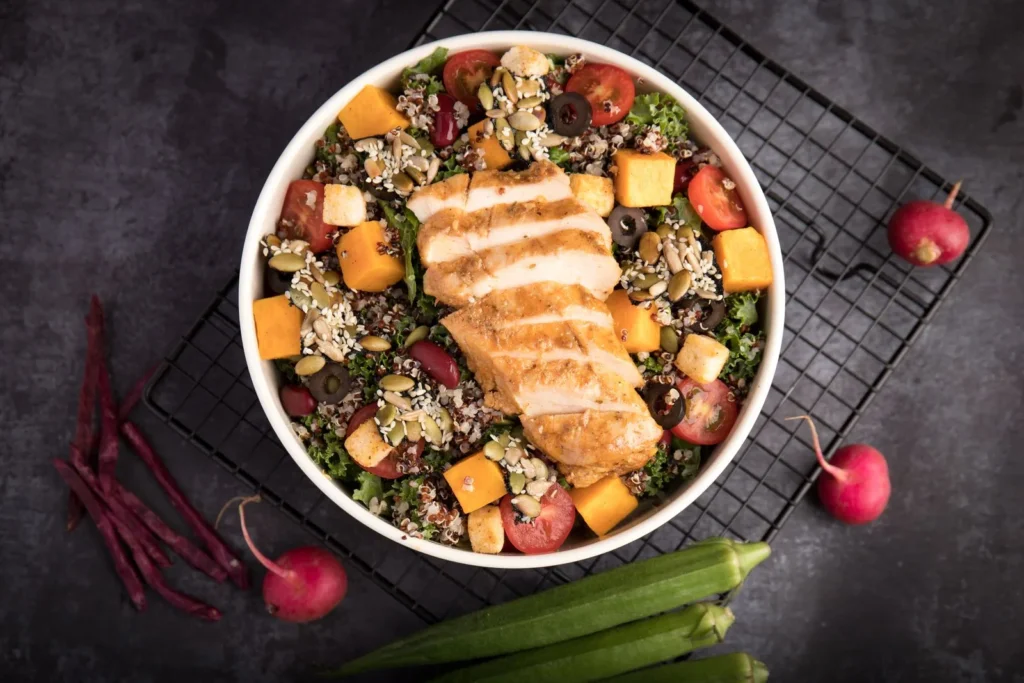
Eating well does not have to involve complicated meal plans, strict food rules, or expensive ingredients. In many cases, building healthier eating habits starts with a simple question: What does a balanced meal look like?
A balanced plate is a practical way to include a variety of foods that provide important nutrients and support your everyday nutritional needs. Instead of focusing on individual foods or following restrictive diets, this approach encourages you to combine vegetables and fruits, whole grain foods, and protein foods in a flexible and enjoyable way.
Canada’s Food Guide offers a useful visual model for building balanced meals. It can help you make everyday food choices without needing to count every calorie or measure every ingredient.
In this guide, you will learn how to build a balanced plate, choose foods from different food groups, and apply these principles to meals you already enjoy.
What Is a Balanced Plate?
A balanced plate is a simple visual guide that helps you include different types of nutritious foods in a meal.
According to Canada’s Food Guide, a balanced plate can be divided into three main sections:
- Half the plate: Vegetables and fruits
- One-quarter of the plate: Whole grain foods
- One-quarter of the plate: Protein foods
Water is also recommended as the beverage of choice.
This model encourages variety and helps make nutritious food choices easier to understand. It is a flexible guide rather than a strict rule about the exact amount everyone must eat at every meal.
The foods and proportions can be adapted to your preferences, cultural traditions, appetite, and daily routine.
The Three Main Parts of a Balanced Plate
1. Fill Half Your Plate with Vegetables and Fruits
Vegetables and fruits provide important nutrients, including fibre, vitamins, and minerals. They also add different colours, flavours, and textures to meals.
Including a variety of vegetables and fruits throughout the day can help support a healthy eating pattern.
Some practical choices include:
Vegetables:
- Broccoli
- Spinach
- Carrots
- Tomatoes
- Bell peppers
- Cabbage
- Zucchini
- Sweet potatoes
Fruits:
- Apples
- Berries
- Oranges
- Bananas
- Pears
- Peaches
- Grapes
Try including different colours and types rather than relying on only one or two favourites.
Fresh produce is not your only option. Frozen, canned, and dried vegetables and fruits can also be convenient choices. When selecting canned products, look for options with little or no added sodium or sugar.
Practical tip: Add vegetables to omelettes, soups, sandwiches, rice dishes, or pasta. Keep fruit available for breakfast and snacks.
2. Include Whole Grain Foods in One-Quarter of Your Plate
Whole grain foods provide carbohydrates, fibre, and other nutrients that contribute to a balanced eating pattern.
Unlike refined grains, whole grains retain all three parts of the grain: the bran, germ, and endosperm.
Examples include:
- Oatmeal
- Brown rice
- Whole wheat bread
- Whole grain pasta
- Barley
- Quinoa
- Bulgur
- Wild rice
Whole grains can be included in different meals throughout the day.
For example, you could choose oatmeal for breakfast, whole grain bread for lunch, or brown rice with vegetables and protein at dinner.
When buying packaged grain products, check the ingredient list. Look for whole grain ingredients near the beginning of the list rather than relying only on words such as “multigrain” or “made with whole grains.”
Practical tip: If you usually eat white rice or regular pasta, try replacing some of it with brown rice or whole grain pasta. You can make gradual changes based on your taste and preferences.
3. Add Protein Foods to One-Quarter of Your Plate
Protein is an important nutrient that helps build and maintain muscles and other body tissues. Protein foods also provide other nutrients, depending on the source.
Canada’s Food Guide encourages choosing plant-based protein foods more often.
Examples include:
Plant-based protein foods:
- Lentils
- Chickpeas
- Kidney beans
- Tofu
- Nuts
- Seeds
- Other legumes
Animal-based protein foods:
- Eggs
- Fish
- Chicken
- Lean meats
- Milk
- Yogurt
- Cheese
You do not need to rely on meat at every meal to include protein. Plant-based options such as beans, lentils, and tofu can be practical and nutritious alternatives.
Practical tip: Add chickpeas to salads, prepare lentil soup, include eggs at breakfast, or serve fish with vegetables and whole grains.
What About Healthy Fats?
Although fats are not shown as a separate section on Canada’s Food Guide plate, they are part of a balanced eating pattern.
The type of fat you choose matters. Canada’s dietary guidelines recommend replacing foods that contain mostly saturated fat with foods that contain mostly unsaturated fat.
Sources of unsaturated fats include:
- Olive oil
- Avocados
- Nuts
- Seeds
- Fatty fish
For example, you could add a small amount of olive oil to a salad, include walnuts in oatmeal, or use avocado in a sandwich.
These foods can contribute to a varied eating pattern, but portion needs depend on individual energy requirements and overall dietary intake.
Why Is Water an Important Part of Everyday Nutrition?
Water is essential for normal body functions, including regulating body temperature, transporting nutrients, and supporting digestion.
Canada’s Food Guide recommends making water your drink of choice.
You can make water easier to include in your daily routine by:
- Keeping a reusable water bottle nearby
- Drinking water with meals
- Choosing water instead of sugary drinks more often
- Adding lemon, cucumber, or mint for flavour if desired
Fluid needs vary depending on factors such as activity level, climate, age, and health conditions. There is no single amount that is appropriate for everyone.

How to Build a Balanced Plate with Everyday Foods
You do not need special ingredients or complicated recipes to apply the balanced plate approach.
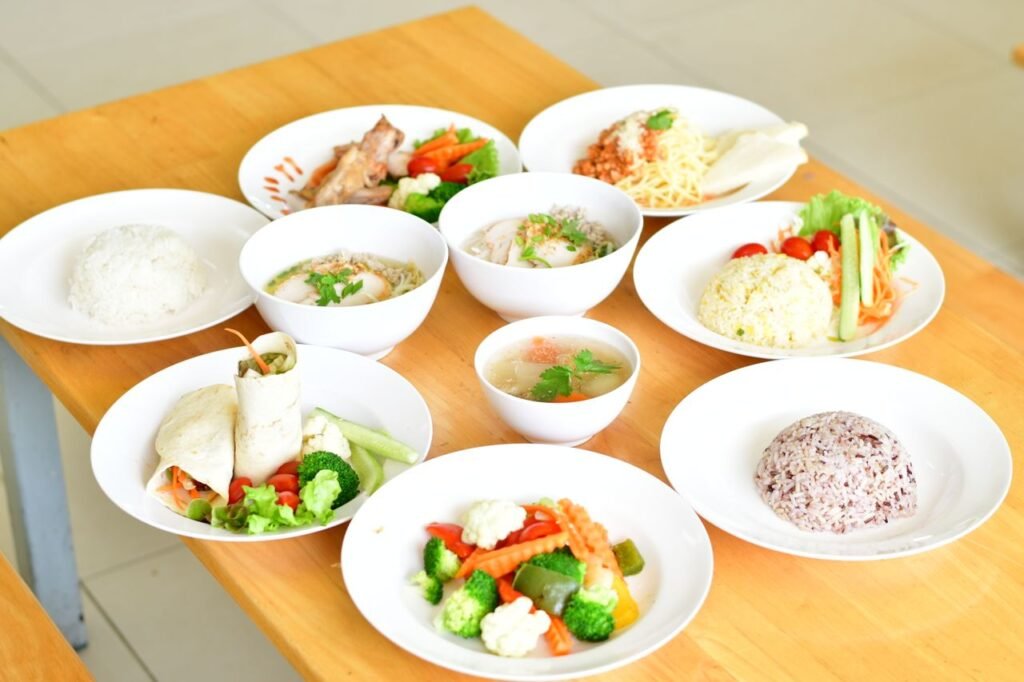
Here are some examples of how familiar foods can fit into a balanced meal.
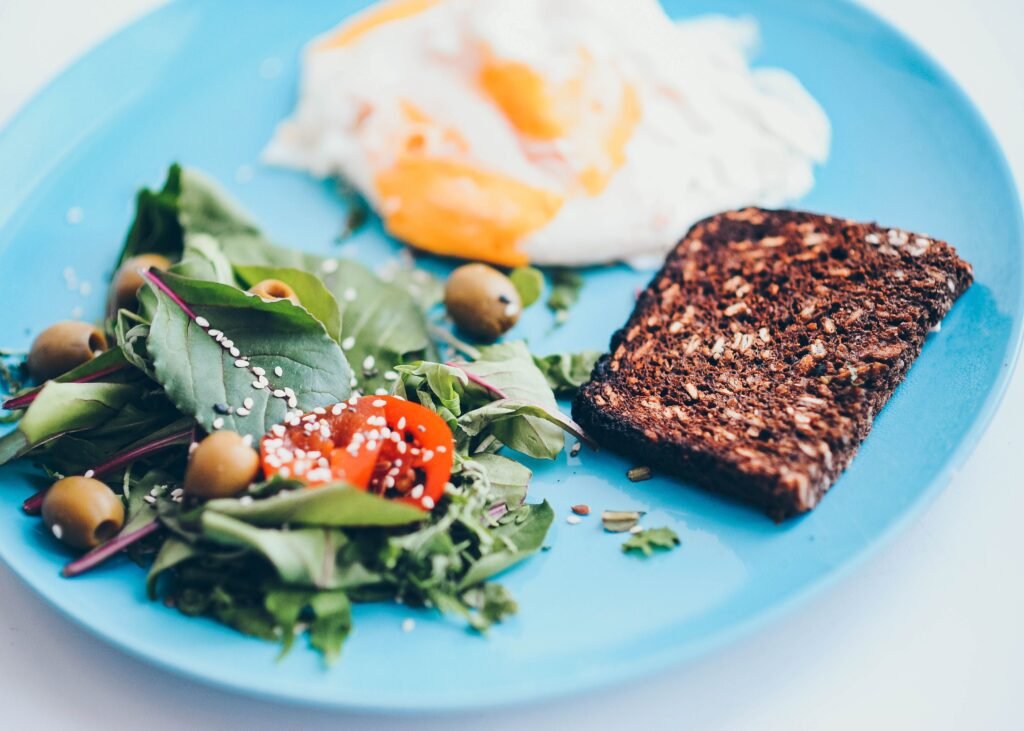
Breakfast: Vegetable Omelette with Whole Grain Toast
A simple breakfast could include:
- An omelette with spinach, tomatoes, and peppers
- Whole grain toast
- A serving of fresh fruit
- Water or an unsweetened beverage
This combination includes vegetables and fruit, protein foods, and whole grains.
Lunch: Chickpea and Vegetable Bowl
Try combining:
- Chickpeas
- Brown rice or quinoa
- Cucumber, tomatoes, carrots, and leafy greens
- A dressing made with olive oil and lemon
This meal provides plant-based protein, whole grains, and a variety of vegetables.
Dinner: Fish with Vegetables and Whole Grains
A balanced dinner could include:
- Baked salmon or another protein food
- Brown rice or barley
- Steamed broccoli and roasted carrots
- Water
You can also replace fish with tofu, beans, lentils, chicken, or another protein source you enjoy.
Vegetarian Option: Lentil and Vegetable Stew
A lentil-based stew can include:
- Lentils
- Tomatoes
- Carrots
- Spinach
- Onions
- Other vegetables you enjoy
Serve it with whole grain bread or brown rice.
This is an example of how a familiar one-pot meal can include several components of a balanced plate.
6 Practical Tips for Building Balanced Meals Consistently
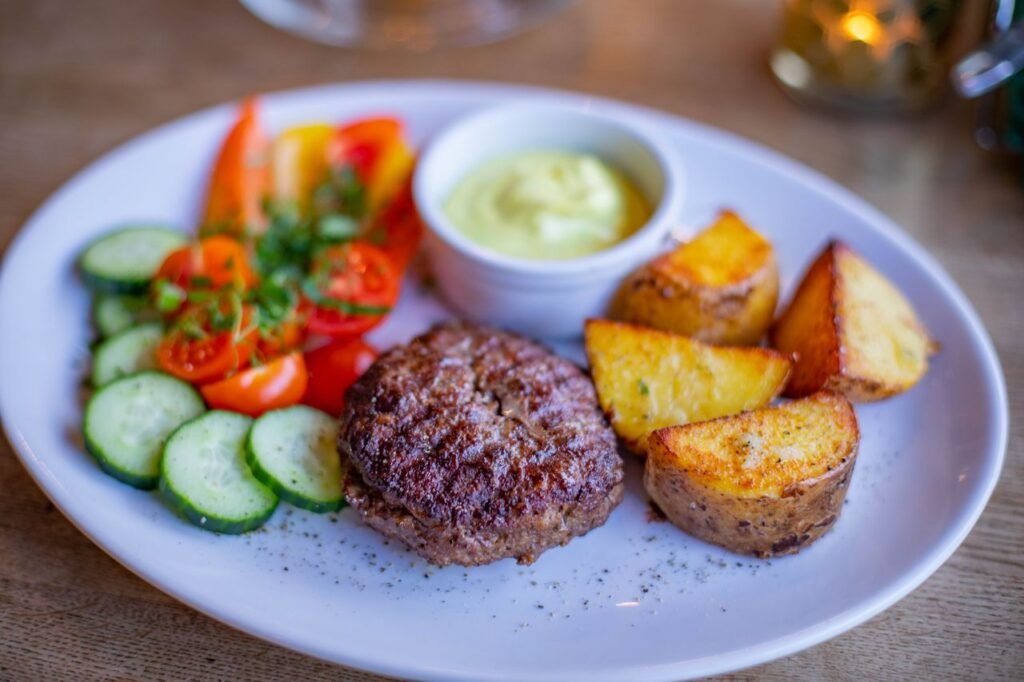
Understanding the balanced plate model is useful, but applying it consistently is what makes it part of everyday life.
1. Plan a Few Meals in Advance
You do not need to plan every meal for the entire week.
Start by deciding on a few lunches or dinners and making a short shopping list. Planning ahead can make it easier to include a variety of foods and reduce last-minute decisions.
2. Use Foods You Already Enjoy
Healthy eating does not require giving up your favourite meals.
You can adapt familiar recipes by adding vegetables, including a source of protein, or choosing whole grain alternatives.
For example, add beans and vegetables to rice dishes or serve a salad alongside pasta.
3. Keep Convenient Ingredients Available
Busy schedules can make meal preparation challenging.
Frozen vegetables, canned beans, canned fish, eggs, oats, and whole grain bread can help you prepare meals with less time and effort.
Choose products with little or no added sodium, sugars, or saturated fat when possible.
4. Choose Plant-Based Protein More Often
Try including beans, lentils, chickpeas, tofu, nuts, or seeds regularly.
You do not need to become vegetarian to benefit from including more plant-based protein foods in your meals.
5. Pay Attention to Hunger and Fullness
Healthy eating involves more than the foods on your plate. It also includes how and when you eat.
Try to eat without unnecessary distractions when possible. Take your time, notice your hunger and fullness signals, and allow yourself to enjoy your meals.
Individual appetite and food needs can change from day to day.
6. Make Changes Gradually
Changing your eating habits does not have to happen all at once.
You could start by adding one serving of vegetables to lunch, choosing whole grain bread, or preparing a bean-based meal once a week.
Small, realistic changes can help you develop habits that are easier to maintain.
Does Every Meal Need to Follow the Balanced Plate Model?
No. The balanced plate is a visual guide, not a strict requirement for every meal.
Some meals may contain mixed ingredients, while others may be smaller or include foods from different groups. Breakfast, snacks, soups, sandwiches, and shared meals do not always look like a traditional plate.
What matters more is the overall pattern of foods you eat regularly.
You can apply the same principles to bowls, lunch boxes, soups, sandwiches, and family-style meals. For example, a vegetable and lentil soup served with whole grain bread can include several components of the balanced plate.
Is the Balanced Plate Right for Everyone?
The balanced plate is a general educational tool for healthy eating. However, individual nutritional needs can vary.
Factors such as age, activity level, pregnancy, health conditions, allergies, food intolerances, and personal dietary requirements may affect what and how much a person needs to eat.
Some people may need a modified meal plan or guidance from a registered dietitian or another qualified healthcare professional.
If you have a medical condition that affects your diet, use general food guidance alongside advice tailored to your individual needs.
Building Healthier Lifestyle Habits with Wiser Health
Based in Calgary, Alberta, Canada, Wiser Health is a lifestyle and wellness app designed to help adults better understand their everyday habits and make informed choices that support long-term well-being. Building a balanced plate is one practical step within a broader approach to healthy living. Through its six connected lifestyle pillars: nutrition, physical activity, restorative sleep, stress management, social connections, and avoiding risky substances, Wiser Health helps users explore how different daily habits relate to one another. With simple check-ins, habit tracking, and personalized wellness insights based on the information users provide, the app supports greater awareness of everyday routines and encourages small, sustainable changes. Whether you are improving your food choices or working on other areas of your lifestyle, Wiser Health offers a way to look at your overall well-being, one step at a time.
Final Thoughts
Building a balanced plate is a simple way to make everyday food choices more intentional without following complicated diets or restrictive rules.
Start with vegetables and fruits, include whole grain foods, add a source of protein, and make water your usual beverage. Choose foods that fit your preferences, culture, budget, and lifestyle.
Remember that healthy eating is not about making every meal perfect. It is about developing a varied and sustainable eating pattern over time.
At WiserHealth, we believe that everyday lifestyle choices are an important part of long-term well-being. Building balanced meals is one practical step toward a healthier and more sustainable routine
FAQs
What is the ideal ratio for a balanced plate?
Canada’s Food Guide suggests filling half your plate with vegetables and fruits, one-quarter with whole grain foods, and one-quarter with protein foods. Water is recommended as the beverage of choice. These proportions are a flexible visual guide rather than fixed requirements for every meal.
What foods should be included in a balanced meal?
A balanced meal can include vegetables or fruits, a whole grain food, and a protein food. Examples include fish with brown rice and broccoli, or lentils with whole grain bread and a side salad.
Can I build a balanced plate without eating meat?
Yes. Plant-based foods such as lentils, beans, chickpeas, tofu, nuts, and seeds can provide protein. Canada’s Food Guide encourages choosing plant-based protein foods more often.
Are frozen and canned vegetables as useful as fresh vegetables?
Yes. Fresh, frozen, and canned vegetables can all be part of a healthy eating pattern. When choosing canned vegetables, look for options with little or no added sodium.
Do I need to follow the balanced plate at every meal?
No. It is not necessary for every meal to look exactly the same. Use the plate as a reference to support variety and balance across your regular eating pattern.
What should I drink with a balanced meal?
Water is Canada’s Food Guide’s recommended beverage of choice. Other drinks may be part of an individual’s diet, but choosing water instead of sugary drinks more often is a practical habit.
Can a balanced plate help with healthy aging?
A varied eating pattern that includes vegetables, fruits, whole grains, and protein foods can help meet nutritional needs throughout adulthood. These foods provide nutrients such as fibre, vitamins, minerals, and protein that support normal body functions. However, no single meal or food guarantees healthy aging.
Leave a Reply