
Benefits of vitamin C is the most well-known nutrients in the world, often associated with immune health and protection against colds. However, emerging research suggests that vitamin C may play a much larger role in the body, particularly when it comes to brain health, memory, cognitive function, and healthy aging.
A recent study involving more than 2,000 older adults in Japan found that individuals with higher blood levels of vitamin C had greater gray matter volume and stronger connectivity within the brain’s Default Mode Network (DMN), an important network involved in memory, attention, emotional processing, and future planning.
Scientists believe these findings add to growing evidence that vitamin C may help support brain health as we age. Although the study does not prove that vitamin C directly prevents cognitive decline, it highlights the importance of maintaining adequate vitamin C intake throughout life.
In this article, we’ll explore benefits of vitamin C, its potential role in brain function, and the many health benefits that make it one of the most important nutrients for overall wellness.

What Is Vitamin C?
Vitamin C, also known as ascorbic acid, is a water-soluble vitamin that the body cannot produce on its own.
It plays a critical role in:
- Immune function
- Collagen production
- Antioxidant protection
- Wound healing
- Iron absorption
- Brain health
Because the body does not store large amounts of vitamin C, regular dietary intake is essential.
What Is Benefits of Vitamin C for the Brain?
The brain is highly metabolically active and particularly vulnerable to oxidative stress.
Oxidative stress occurs when harmful molecules called free radicals damage cells and tissues over time.
Researchers believe oxidative stress contributes to:
- Cognitive decline
- Memory loss
- Alzheimer’s disease
- Parkinson’s disease
- Age-related brain changes
Vitamin C acts as a powerful antioxidant, helping protect brain cells from oxidative damage.
1. Vitamin C May Support Memory Function
Memory is one of the most important cognitive functions affected by aging.
Research suggests that adequate vitamin C levels may help support:
- Learning
- Memory formation
- Information processing
- Cognitive performance
Some studies have found that people with lower vitamin C levels are more likely to experience poorer cognitive performance compared to those with adequate levels.

2. Vitamin C May Help Protect the Brain During Aging
Aging naturally affects brain structure and function.
The Japanese study found that individuals with higher vitamin C levels had greater gray matter volume, which is important because gray matter contains many of the brain’s neurons responsible for processing information.
Maintaining healthy brain structure may help support long-term cognitive health and independence in later life.
3. Vitamin C and the Default Mode Network (DMN)
One of the most exciting findings from recent research involves the brain’s Default Mode Network.The DMN is involved in:
- Self-reflection
- Memory retrieval
- Emotional regulation
- Planning for the future
Disruptions in this network have been linked to:
- Alzheimer’s disease
- Depression
- Parkinson’s disease
Researchers observed stronger connectivity within the DMN among individuals with higher vitamin C levels, suggesting a possible protective role.
4. Vitamin C Is a Powerful Antioxidant
One of vitamin C’s most important functions is neutralizing free radicals.
This antioxidant protection may help reduce cellular damage associated with:
- Aging
- Chronic inflammation
- Environmental stressors
- Metabolic disorders
By helping defend cells against oxidative stress, vitamin C supports overall health far beyond the brain.
5. Vitamin C Supports Immune Health
Vitamin C is perhaps best known for supporting the immune system.
It helps:
- Support immune cell function
- Enhance the body’s defense mechanisms
- Reduce oxidative stress during infections
- Support recovery processes
While vitamin C does not prevent every illness, maintaining adequate levels is important for optimal immune function.
6. Vitamin C Helps Produce Collagen
Collagen is the most abundant protein in the body.
Vitamin C is essential for collagen synthesis, which supports:
- Skin health
- Blood vessels
- Bones
- Cartilage
- Connective tissue
Without sufficient vitamin C, collagen production becomes impaired.
7. Vitamin C May Promote Healthier Skin
Healthy collagen production contributes to:
- Skin elasticity
- Skin hydration
- Wound healing
- Reduced appearance of aging
Because oxidative stress contributes to premature skin aging, vitamin C’s antioxidant properties may also help protect skin from environmental damage.

8. Vitamin C Improves Iron Absorption
Iron deficiency remains one of the most common nutritional deficiencies worldwide.
Vitamin C helps improve the absorption of non-heme iron found in plant foods.
Better iron absorption may help support:
- Energy levels
- Oxygen transport
- Physical performance
- Cognitive function
9. Vitamin C May Support Long-Term Wellness and Longevity
Healthy aging involves protecting multiple systems in the body, including:
- The brain
- The cardiovascular system
- The immune system
- The musculoskeletal system
Because vitamin C contributes to all of these areas, maintaining adequate intake may be an important component of long-term wellness and healthy aging.
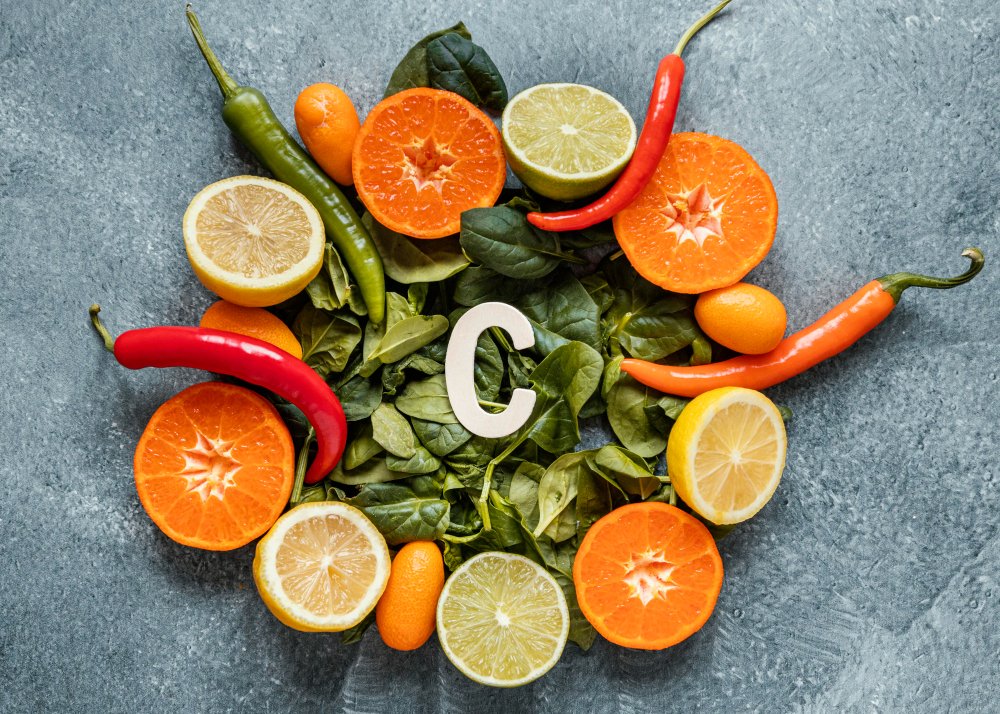
Best Food Sources of Vitamin C
Excellent sources include:
Fruits
- Oranges
- Grapefruit
- Kiwi
- Strawberrie
- Pineapple
Vegetables
- Bell peppers
- Broccoli
- Brussels sprouts
- Tomatoes
- Kale
A colorful, plant-rich diet is one of the best ways to ensure adequate vitamin C intake.
Can You Take Too Much Vitamin C?
Vitamin C is generally considered safe.
However, excessive supplementation may cause:
- Stomach discomfort
- Diarrhea
- Nausea
Most people can meet their needs through a balanced diet rich in fruits and vegetables.
Lifestyle Habits for Better Brain Health
Vitamin C is only one piece of the healthy aging puzzle.
To support long-term brain health:
- Exercise regularly
- Prioritize quality sleep
- Manage stress
- Stay socially connected
- Eat a nutrient-dense diet
- Continue learning throughout life
Together, these habits help support cognitive function and overall well-being.
Supporting Healthy Aging in Calgary
As awareness of healthy aging grows in Calgary, more individuals are turning toward lifestyle medicine approaches that focus on prevention rather than simply treating disease.
At WiserHealth, evidence-based lifestyle strategies emphasize nutrition, physical activity, sleep optimization, stress management, and sustainable healthy habits that support both cognitive and overall health throughout the aging process.
Conclusion
Vitamin C is far more than an immune-support nutrient.
Emerging research suggests it may play an important role in supporting brain health, preserving memory, protecting against oxidative stress, and promoting healthy aging.
While no single nutrient can prevent Alzheimer’s disease or cognitive decline, maintaining adequate vitamin C intake through a balanced diet may help support long-term brain function and overall wellness.
Combined with healthy lifestyle habits, vitamin C remains one of the most valuable nutrients for lifelong health.
FAQ
1. Is vitamin C good for brain health?
Yes. Research suggests vitamin C may help protect brain cells from oxidative stress and support memory and cognitive function.
2. Can vitamin C improve memory?
Some studies have found that people with adequate vitamin C levels tend to have better cognitive performance and memory function.
3. Does vitamin C help prevent Alzheimer’s disease?
There is no evidence that vitamin C prevents Alzheimer’s disease, but it may support brain health and healthy aging.
4. What are the best foods rich in vitamin C?
Oranges, kiwi, strawberries, bell peppers, broccoli, and Brussels sprouts are excellent sources.
5. How much vitamin C do adults need daily?
Most adults need between 75–90 mg per day, although requirements may vary.
6. Can vitamin C reduce brain aging?
Its antioxidant properties may help reduce oxidative stress, which is linked to age-related cognitive decline.
7. Does vitamin C help with energy?
Indirectly, yes. Vitamin C improves iron absorption, which helps support healthy energy production.
8. Should I take vitamin C supplements every day?
Many people obtain enough vitamin C through food, but supplementation may be appropriate in certain situations under professional guidance.
Leave a Reply