
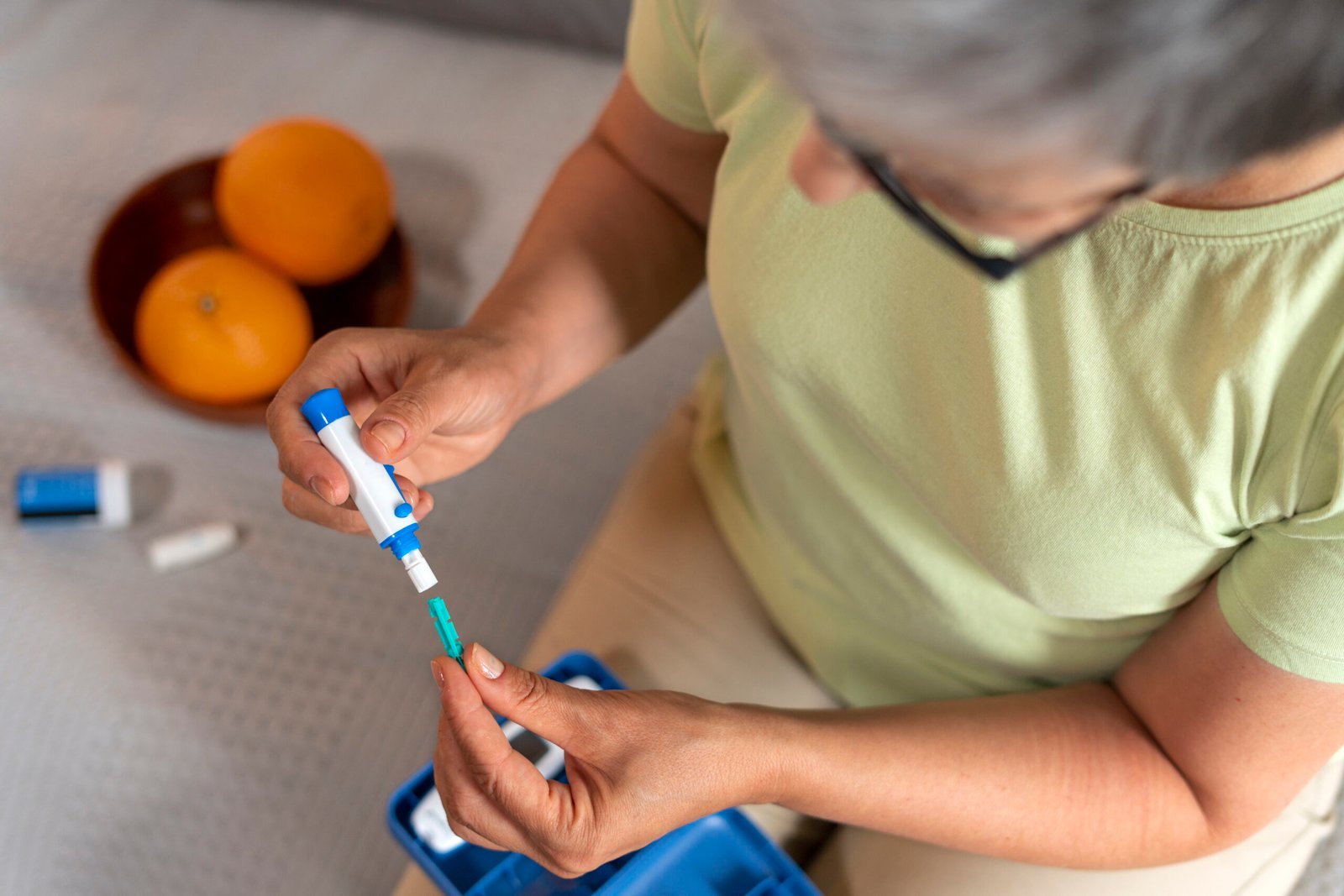
Maintaining healthy blood sugar levels is crucial for overall health, sustained energy, and long-term wellness. High blood glucose increases the risk of chronic conditions such as type 2 diabetes, heart disease, kidney problems, and nerve damage. Many individuals may not realize their blood sugar is elevated because early signs, such as fatigue, mild thirst, or occasional blurred vision, are often subtle and easily overlooked until lab tests reveal an issue.
The good news is that you can lower blood sugar naturally through a combination of proper diet, regular exercise, lifestyle adjustments, and targeted supplements. This guide offers a comprehensive, science-backed approach to lowering blood sugar naturally, helping you stabilize energy, improve mood, reduce the risk of chronic diseases, and support long-term metabolic health..
Understanding High Blood Sugar and How to Lower It Naturally
High blood sugar, also called hyperglycemia, occurs when your body does not produce enough insulin or cannot use it effectively. Insulin is a hormone that helps cells absorb glucose from the bloodstream for energy. When cells become resistant to insulin, blood sugar rises, which can eventually lead to type 2 diabetes.
Causes of High Blood Sugar
Dietary choices: Diets rich in refined carbohydrates, sugary beverages, and processed foods cause rapid spikes in glucose. Over time, these spikes can strain the pancreas and reduce insulin efficiency.
Sedentary lifestyle: Physical inactivity reduces insulin sensitivity, making it harder for muscles to use glucose efficiently.
Stress and inadequate sleep: Chronic stress elevates cortisol, a hormone that triggers glucose release from the liver. Poor sleep also impairs insulin sensitivity, further contributing to high glucose.
Excess body weight: Fat tissue, particularly around the abdomen, increases inflammation and worsens insulin resistance.
Medications and health conditions: Certain medications like corticosteroids and some antidepressants can increase blood sugar. Additionally, conditions such as polycystic ovary syndrome (PCOS) can affect glucose regulation.
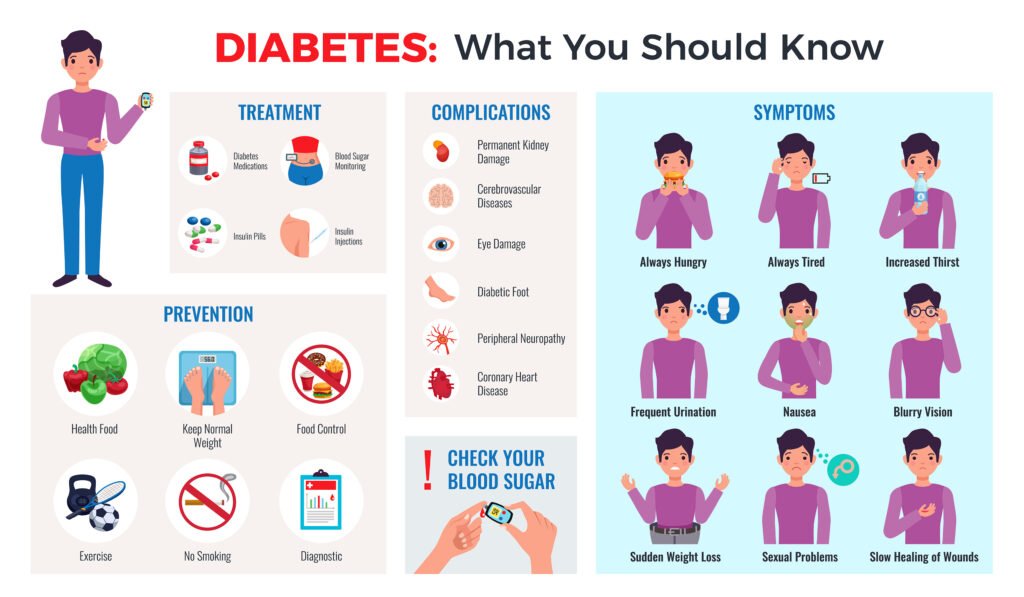
Symptoms of Elevated Blood Sugar
People with high blood sugar may experience:
- Persistent fatigue and lack of energy
- Increased thirst and frequent urination
- Blurred vision or eye strain
- Slow-healing wounds or recurrent infections
- Unexplained weight gain or loss
Recognizing these signs early is crucial because persistent hyperglycemia can silently damage organs over time. Regular monitoring and lifestyle changes can prevent progression to type 2 diabetes.
Diet Strategies to Lower Blood Sugar Naturally
Diet is the cornerstone of natural blood sugar management. Certain foods can stabilize glucose levels, reduce insulin spikes, and improve overall metabolic health. The focus should be on fiber-rich, low-glycemic foods combined with healthy fats and lean proteins.
Fiber-Rich and Low-Glycemic Foods
Fiber slows digestion, which helps prevent rapid increases in blood sugar after meals. Soluble fiber, in particular, forms a gel-like substance in the digestive tract that reduces carbohydrate absorption.
Examples of fiber-rich foods:
Oats and barley: Contain beta-glucan, which improves insulin sensitivity and reduces post-meal glucose spikes.
Legumes: Lentils, chickpeas, and black beans provide protein and fiber, stabilizing blood sugar for hours.
Leafy greens and cruciferous vegetables: Spinach, kale, broccoli, and Brussels sprouts are low in carbohydrates but high in vitamins and antioxidants.
Berries and low-glycemic fruits: Blueberries, raspberries, apples, and pears provide natural sweetness without large glucose spikes.
Nuts and seeds: Almonds, walnuts, chia, and flaxseeds add healthy fats, protein, and fiber to meals.
Healthy Fats and Proteins
Combining carbohydrates with protein or healthy fats can slow glucose absorption. Include foods like:
Lean meats like chicken and turkey
Avocado, olive oil, and fatty fish (salmon, mackerel, sardines)
Eggs and Greek yogurt
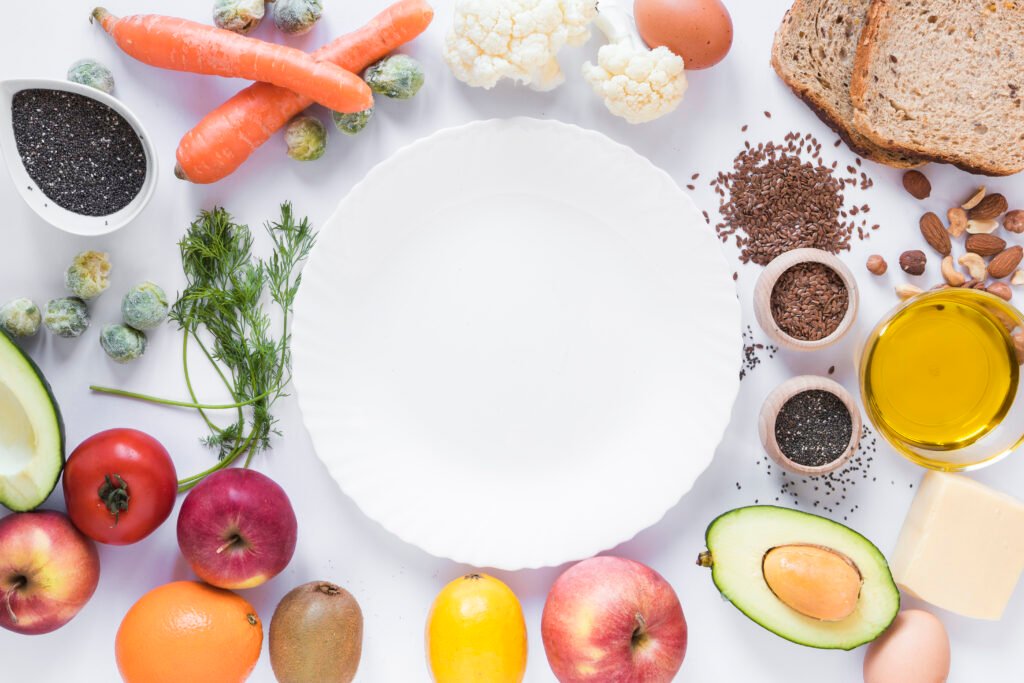
By building each meal around these foods, you can maintain steady glucose levels throughout the day.
Physical Activity to Improve Insulin Sensitivity
Regular exercise is one of the most effective ways to reduce blood sugar. Physical activity helps muscles use glucose for energy, improving insulin sensitivity both immediately and over time.
Recommended Exercise Types
- Brisk walking: Walking for 30 minutes daily, particularly after meals, can reduce post-meal glucose spikes significantly.
- Strength training: Lifting weights or resistance exercises 2–3 times per week increases muscle mass, which in turn improves glucose uptake.
- Yoga and stretching: Reduces stress hormones and improves circulation, indirectly supporting blood sugar control.
Studies show that even a 15-minute walk after meals can significantly reduce post-meal glucose spikes.
Mini case example:
John, a 52-year-old office worker, reduced his post-lunch blood sugar by 25 mg/dL consistently by taking a 15-minute walk after lunch every day for three months.

Even small, consistent activity changes can have a meaningful impact on long-term glucose management.
Hydration and Blood Sugar
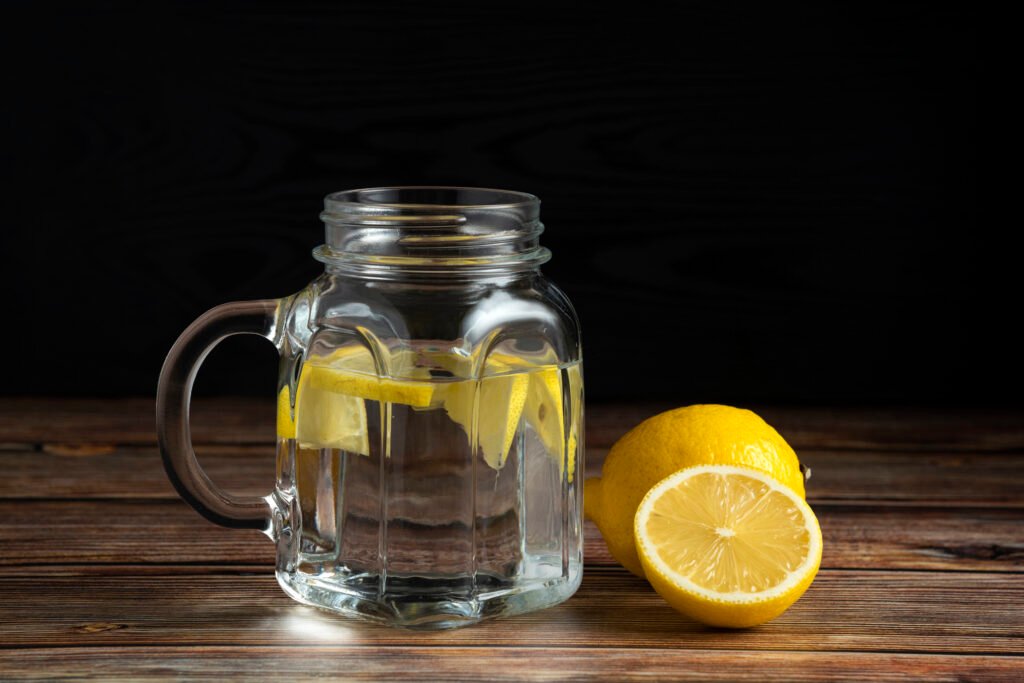
Proper hydration helps the kidneys flush out excess sugar through urine. Chronic dehydration can lead to higher blood sugar levels and fatigue. Drinking sufficient water is simple but often overlooked.
Tips for Staying Hydrated
- Drink a glass of water before each meal to reduce appetite and sugar intake.
- Replace sweetened beverages with unsweetened tea, infused water, or sparkling water.
- Monitor urine color as an indicator; pale yellow is optimal.
Managing Stress and Sleep
Chronic stress and poor sleep can dramatically affect blood sugar regulation. Cortisol, the stress hormone, increases glucose release from the liver. Insufficient sleep reduces insulin sensitivity and alters hunger hormones, making blood sugar harder to control.
Strategies to Reduce Stress
- Practice mindfulness or deep breathing for 10 minutes daily.
- Maintain a consistent sleep schedule of 7–8 hours per night.
- Limit caffeine and screen time before bedtime.
- Engage in relaxing activities such as reading, yoga, or light stretching.
Consistent stress management and quality sleep are essential components of long-term glucose control.
Natural Supplements
Some supplements may complement diet and exercise for lowering blood sugar. Always consult your healthcare provider before starting any supplement.
Evidence-based options include:
- Magnesium: Enhances insulin function and reduces resistance.
- Chromium: Supports cellular glucose uptake.
- Berberine: Shown in studies to improve insulin sensitivity and reduce fasting glucose.
- Cinnamon: May lower fasting blood sugar levels when consumed regularly.

Meal Timing and Portion Control
Eating smaller, balanced meals every 3–4 hours helps prevent large spikes in blood sugar. Avoid skipping meals, which can cause overeating and glucose spikes later. Pair carbohydrates with protein and healthy fats to slow digestion.
Morning Routine for Blood Sugar Control
Starting your day with healthy habits can stabilize glucose all day:
- Protein-rich breakfast (eggs, Greek yogurt, nuts)
- Short walk after breakfast to stimulate glucose uptake
- Avoid sugary coffee additives
- Drink water before consuming caffeine
Foods and Drinks to Avoid
- Sugary beverages: soda, energy drinks, sweetened coffee
- White bread, pastries, white rice
- Processed snacks high in refined sugar
- Excess alcohol
Refined carbs and sugary drinks cause rapid spikes in blood sugar and contribute to insulin resistance over time.
Quick Ways to Lower Blood Sugar Fast
If blood sugar spikes:
- Walk briskly for 10–15 minutes
- Drink a full glass of water
- Take 1 tablespoon of apple cider vinegar in water
- Eat a handful of nuts to slow sugar absorption
Long-Term Lifestyle Strategies
Consistency is key:
- Maintain healthy body weight
- Prioritize sleep and stress management
- Engage in daily physical activity
- Focus on whole, unprocessed foods
- Monitor blood sugar regularly
Conclusion
Lowering blood sugar naturally is achievable through consistent, science-backed strategies. Focusing on whole foods, physical activity, hydration, stress management, and proper sleep can stabilize glucose levels, improve energy, and reduce the risk of long-term health complications.
Small, consistent steps create lasting changes. Combine these strategies with regular monitoring and medical guidance to achieve optimal blood sugar control.
https://www.healthline.com/nutrition/14-ways-to-lower-blood-sugar
FAQ
Q: What is the fastest way to lower blood sugar naturally?
A: Light exercise, hydration, and avoiding refined carbs can reduce glucose within hours.
Q: Are fruits safe for high blood sugar?
A: Low-glycemic fruits like berries, apples, and pears are safe in moderation.
Q: Can I lower blood sugar without medication?
A: Yes, with diet, exercise, and lifestyle management under supervision.
Q: How often should I check blood sugar at home?
A: It varies, but typically before and after meals or per doctor recommendations.
Leave a Reply