
Losing weight is one of the best investments you can make in your health. It can lower the risk of type 2 diabetes, heart disease, high blood pressure, and many other chronic conditions. However, one concern prevents many people from starting, or continuing, their weight-loss journey:
loose skin.
If you’ve ever wondered, “Can I avoid loose skin when losing weight?”, you’re not alone. While loose skin is common, especially after significant weight loss, there are several lifestyle strategies that may help reduce its severity and improve your skin’s elasticity.
Although no method can guarantee completely tight skin, losing weight gradually, maintaining muscle mass, eating a nutrient-rich diet, and adopting healthy lifestyle habits can make a meaningful difference.
Let’s explore the science behind loose skin and what you can do to support healthier, firmer skin during your weight-loss journey.
Why Does Loose Skin Happen?
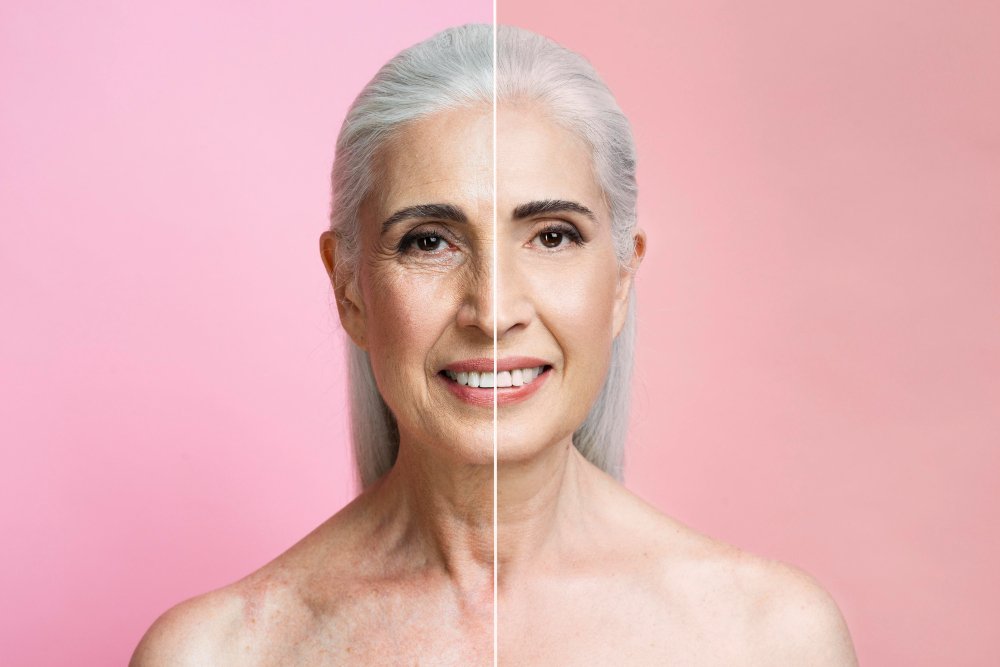
Your skin is the body’s largest organ. It stretches to accommodate weight gain and, over time, the collagen and elastin fibers that keep it firm may become damaged or lose elasticity.
Several factors influence whether loose skin develops, including:
- The amount of weight lost
- How quickly the weight is lost
- Age
- Genetics
- Sun exposure
- Smoking
- Nutrition
- Muscle mass
People who lose a large amount of weight rapidly are generally more likely to experience loose skin than those who lose weight gradually.

1. Lose Weight Gradually
Crash diets may produce quick results, but they often don’t give your skin enough time to adapt.
A gradual weight loss of approximately 1–2 pounds (0.5–1 kg) per week is generally recommended for sustainable fat loss and may help reduce the risk of loose skin.
Slow, consistent progress is also easier to maintain over the long term.
2. Build Muscle with Strength Training
One of the best ways to improve your appearance after weight loss is by preserving or building lean muscle.
Strength training helps:
- Improve body shape
- Increase metabolism
- Fill out areas where fat has been lost
- Enhance overall firmness
Aim for resistance training at least two or three times per week.
3. Eat Enough Protein
Protein is essential for maintaining muscle and supporting collagen production.
Include high-quality protein sources such as:
- Fish
- Eggs
- Greek yogurt
- Beans
- Lentils
- Chicken
- Tofu
Adequate protein also helps you feel full, making healthy weight
4. Support Collagen Naturally
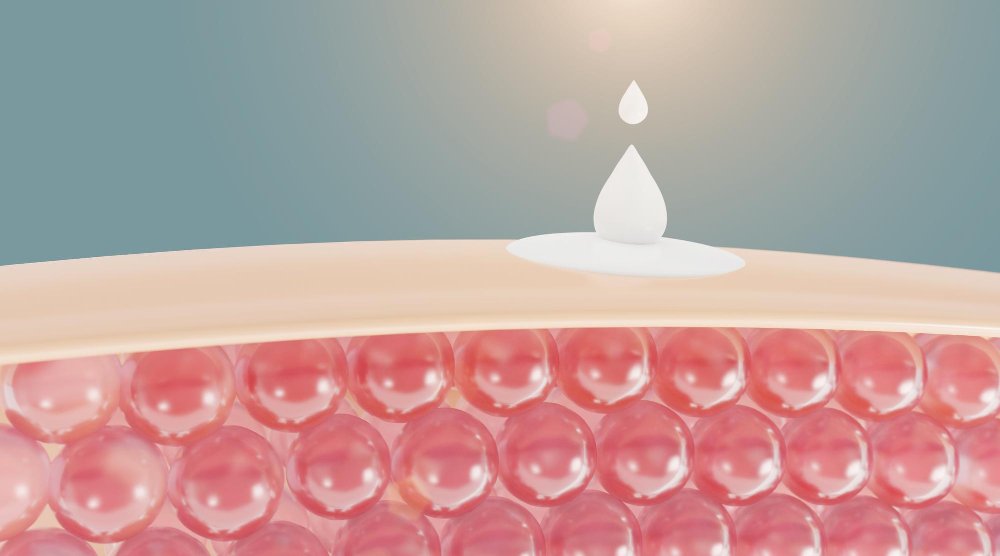
Collagen is one of the main structural proteins responsible for skin strength and elasticity.
Support natural collagen production by consuming foods rich in:
- Vitamin C
- Zinc
- Copper
- Protein
Colorful fruits, vegetables, nuts, seeds, and lean proteins all contribute to healthier skin.
5. Stay Hydrated
Hydrated skin functions better and appears healthier.
While drinking water won’t eliminate loose skin, staying well hydrated supports overall skin health and elasticity.
Make water your primary beverage throughout the day.
6. Protect Your Skin from Sun Damage
Ultraviolet (UV) radiation breaks down collagen and elastin, the very fibers that help skin remain firm.
Daily sunscreen, protective clothing, and limiting excessive sun exposure can help preserve your skin’s structure.
7. Avoid Smoking
Smoking accelerates skin aging by reducing blood flow and damaging collagen.
Quitting smoking benefits not only your heart and lungs but also your skin’s ability to heal and maintain elasticity.
8. Be Patient
Skin remodeling takes time.
Even after reaching your goal weight, your skin may continue adapting for 6 to 24 months, particularly after moderate weight loss.
Consistency is far more important than quick fixes.
9. Avoid Extreme Diets
Very-low-calorie diets often result in rapid weight loss and muscle loss.
A balanced eating pattern that includes adequate protein, healthy fats, fiber, vitamins, and minerals is far more beneficial for both your health and your skin.
10. Focus on Overall Healthy Living
Healthy skin reflects overall health.
Regular exercise, quality sleep, stress management, proper nutrition, and hydration all work together to support healthy aging and skin elasticity.
There is no miracle cream that replaces healthy daily habits.
Can I Avoid Loose Skin When Losing Weight?
In many cases, yes, but not completely.
If you lose a moderate amount of weight gradually, maintain muscle through strength training, eat enough protein, avoid smoking, and care for your skin, you may significantly reduce the likelihood or severity of loose skin.
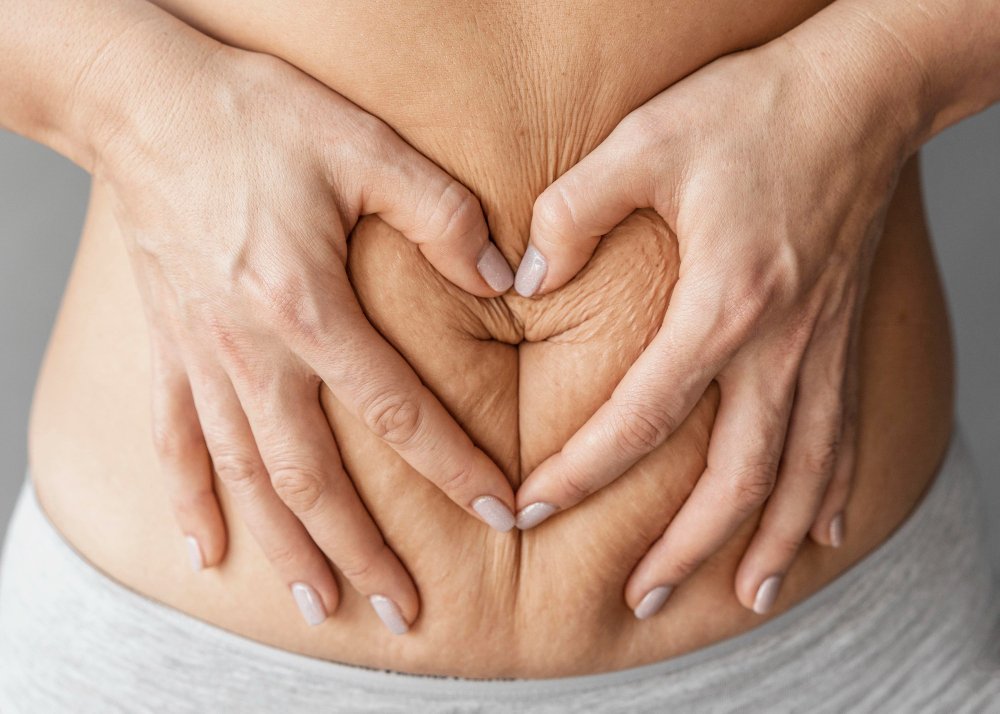
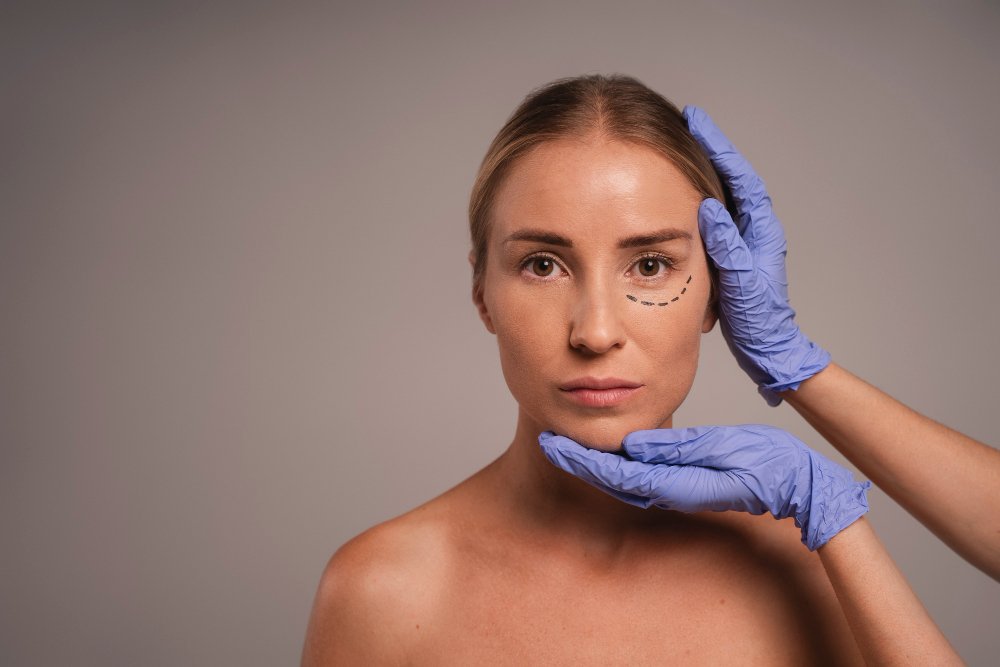
However, people who lose a very large amount of weight, especially after bariatric surgery, may still experience excess skin despite following healthy habits. In these situations, surgical body contouring may sometimes be considered after consultation with qualified healthcare professionals.

How to Tighten Face Skin After Weight Loss Naturally
Facial changes after weight loss are completely normal.
To naturally support firmer facial skin:
- Eat enough protein.
- Consume vitamin C-rich foods.
- Stay hydrated.
- Sleep 7–9 hours per night.
- Wear sunscreen every day.
- Avoid smoking.
- Perform regular strength training to maintain overall muscle mass.
- Follow a balanced diet rather than repeated crash dieting.
Although facial exercises are popular online, scientific evidence supporting their effectiveness remains limited.
How Do I Tone My Face After Losing Weight?
You cannot “spot reduce” fat or selectively tighten facial skin, but you can improve your overall facial appearance by supporting healthy skin and muscle.
Helpful strategies include:
- Maintaining a stable, healthy weight.
- Eating nutrient-dense foods.
- Staying physically active.
- Practicing good skincare.
- Protecting your skin from UV damage.
- Getting enough sleep and managing stress.
Healthy lifestyle habits often have a greater long-term impact than expensive cosmetic products.
Healthy Weight Loss with WiserHealth in Calgary
At WiserHealth in Calgary, we believe successful weight loss is about much more than the number on the scale. Lifestyle medicine focuses on sustainable nutrition, regular physical activity, quality sleep, stress management, and long-term healthy habits that support both metabolic health and skin health.
Rather than promoting rapid weight-loss solutions, WiserHealth encourages gradual, evidence-based approaches that help preserve muscle mass, improve overall well-being, and reduce the likelihood of unwanted effects such as loose skin.
Conclusion
Loose skin after weight loss is a common concern, but it shouldn’t discourage you from improving your health. While factors such as age, genetics, and the amount of weight lost cannot be controlled, many lifestyle choices can support healthier, more elastic skin.
Losing weight gradually, eating enough protein, strength training, protecting your skin from sun damage, staying hydrated, and maintaining healthy daily habits all contribute to better results.
Remember, the goal isn’t just to lose weight, it’s to build a healthier body that you can maintain for life.
1. Can I avoid loose skin when losing weight?
In many cases, gradual weight loss, strength training, and good nutrition can reduce the risk, although they may not prevent it completely.
2. How do I tighten face skin after weight loss naturally?
Focus on protein intake, vitamin C, hydration, sunscreen, sleep, and avoiding smoking. These habits support collagen production and healthy skin.
3. How do I tone my face after losing weight?
Maintain a healthy lifestyle, protect your skin, eat a balanced diet, and keep your weight stable. There is limited evidence that facial exercises significantly tighten loose skin.
4. Does losing weight slowly reduce loose skin?
Yes. Gradual weight loss gives your skin more time to adapt and may reduce the severity of loose skin.
5. Does drinking water tighten loose skin?
Water supports skin health and hydration but cannot tighten loose skin on its own.
6. Can exercise tighten loose skin?
Strength training builds muscle, which may improve body shape and reduce the appearance of loose skin.
7. Does collagen help with loose skin?
Collagen production is important for skin elasticity. Eating enough protein and vitamin C supports natural collagen formation.
8. When is surgery the only option?
After very large weight loss, particularly following bariatric surgery, excess skin may remain despite healthy habits. In some cases, body-contouring surgery may be appropriate after medical evaluation.
Leave a Reply