
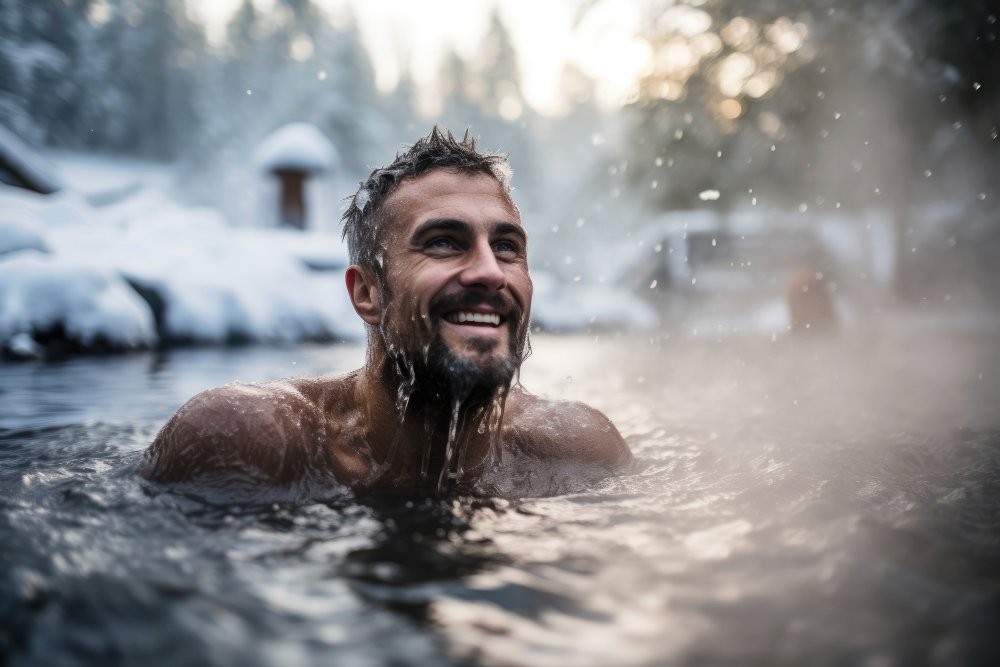
Cold showers, ice baths, and cooling vests have recently gained attention in the health and wellness world, not only for recovery and energy but also the ways cold exposure for weight loss.
A growing body of research suggests that regular exposure to cold temperatures may help the body burn more calories by activating something called brown fat, also known as brown adipose tissue (BAT).
Unlike regular body fat, brown fat burns energy to produce heat. This process, known as thermogenesis, may slightly increase calorie expenditure and support metabolic health.
In this article, we’ll explore:
- How cold exposure affects metabolism
- What brown fat actually does
- Whether cold showers help burn fat
- Potential benefits and risksSafe ways to try cold exposure
What Is Brown Fat?
Most people are familiar with white fat, the body fat that stores excess energy.
Brown fat is different.
Brown fat:
- Burns calories to produce heat
- Helps regulate body temperature
- Contains more mitochondria (“energy factories” in cells)
- Becomes activated during cold exposure
Scientists believe brown fat may play a role in:
- Metabolism
- Blood sugar regulation
- Energy balance
- Weight management
Brown fat is more active in:
- Colder environments
- Leaner individuals
- Younger people
Cold Exposure for Weight Loss
When your body gets cold, it works harder to maintain its internal temperature.
This process requires energy.
The body responds by:
- Activating brown fat
- Increasing thermogenesis
- Burning additional calories
Some studies suggest repeated cold exposure may modestly improve:
However, experts emphasize:
Cold exposure alone is unlikely to cause major weight loss without healthy lifestyle habits.
1. Cold Showers May Slightly Increase Calorie Burning
Cold showers force the body to work harder to stay warm.
Potential effects:
- Increased circulation
- Mild metabolic activation
- Temporary energy boost
While the calorie burn is relatively small, consistent exposure may contribute to overall metabolic stimulation.
Important note:
Cold showers are supportive, not replacements for exercise or nutrition.
2. Ice Vests and Cooling Garments
Some recent studies explored the use of cooling vests or ice vests worn daily for several weeks.
Findings suggested:
- Increased brown fat activity
- Slightly greater weight reduction compared to control groups
- Improved cold adaptation
Researchers believe prolonged mild cold exposure may be more sustainable than extreme cold methods.

3. Cold Exposure and Appetite Regulation
Some people report reduced appetite after cold exposure, though research findings remain mixed.
Cold exposure may affect:
- Hormones related to hunger
- Energy regulation pathways
- Nervous system activation
However, responses vary greatly between individuals.
4. Improved Metabolic Flexibility
Cold exposure may help the body become more efficient at switching between:
- Fat burning
- Glucose usage
This process is sometimes called metabolic flexibility, an important factor in metabolic health.
Better metabolic flexibility is associated with:
- Improved energy balance
- Better insulin sensitivity
- Reduced metabolic dysfunction
5. Potential Benefits Beyond Weight Loss
Many people use cold exposure for reasons unrelated to weight.
Possible benefits include:
- Increased alertness
- Improved mood
- Reduced inflammation
- Muscle recovery support
- Mental resilience
Cold exposure activates the nervous system and may temporarily increase adrenaline and endorphins.
Does Cold Exposure Replace Diet and Exercise?
No.
Experts consistently emphasize that:
- Nutrition remains essential
- Physical activity is still critical
- Sleep and stress management matter greatly
Cold exposure may support weight management, but it is not a “fat-melting shortcut.”
Sustainable health still depends on:
- Balanced diet
- Regular movement
- Adequate sleep
- Stress reduction
- Long-term healthy habits
Risks and Safety Considerations
Cold exposure is not appropriate for everyone.
Potential risks include:
- Increased blood pressure
- Cold shock response
- Dizziness
- Breathing difficulty
- Heart strain in vulnerable individuals
People with:
- Heart disease
- High blood pressure
- Circulation disorders
- Respiratory conditions
should consult a healthcare provider before trying cold exposure therapies.
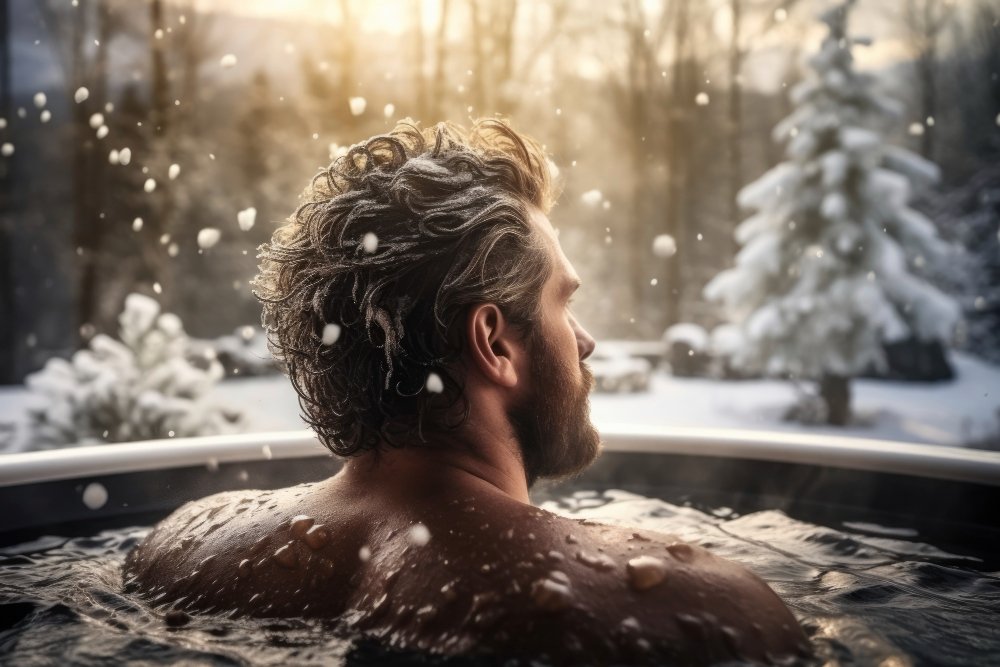
Safe Ways to Try Cold Exposure
If you want to experiment safely:
Start gradually:
- Finish showers with 15–30 seconds of cool water
- Slowly increase duration over time
- Avoid extreme temperatures initially
Focus on consistency:
Short, regular exposure is generally safer and more sustainable than extreme ice immersion.
What the Science Still Doesn’t Know
Although research is promising, scientists are still studying:
- Long-term effectiveness
- Ideal duration and temperature
- Individual differences
- Real-world impact on obesity
Many studies are still small or short-term.
So while cold exposure is interesting, it should be viewed as:
A supportive wellness tool, not a guaranteed weight-loss strategy.
Conclusion
Cold showers, ice baths, and cooling vests may help activate brown fat and slightly increase calorie burning through thermogenesis. Research suggests cold exposure could support metabolism and weight management when combined with healthy lifestyle habits.
But cold exposure is not magic.
Real, sustainable weight loss still depends on:
- Nutrition
- Physical activity
- Sleep
- Stress management
- Consistency over time
Small habits practiced consistently often create the most powerful long-term results.
FAQ
1. Can cold showers help with weight loss?
Cold showers may slightly increase calorie burning by activating brown fat, but they are not a replacement for diet and exercise.
2. What is brown fat?
Brown fat is a special type of fat that burns calories to produce heat when the body is exposed to cold temperatures.
3. Do ice baths burn fat?
Ice baths may increase thermogenesis temporarily, which can slightly increase energy expenditure.
4. How long should cold exposure last?
Beginners should start with short exposures (15–30 seconds) and gradually increase over time.
5. Is cold exposure safe for everyone?
No. People with heart conditions, high blood pressure, or circulation problems should consult a doctor first.
6. Can cold exposure replace exercise?
No. Cold exposure should only be considered a supportive tool alongside healthy lifestyle habits.
Leave a Reply