
Can the food you eat today help protect your brain decades from now?
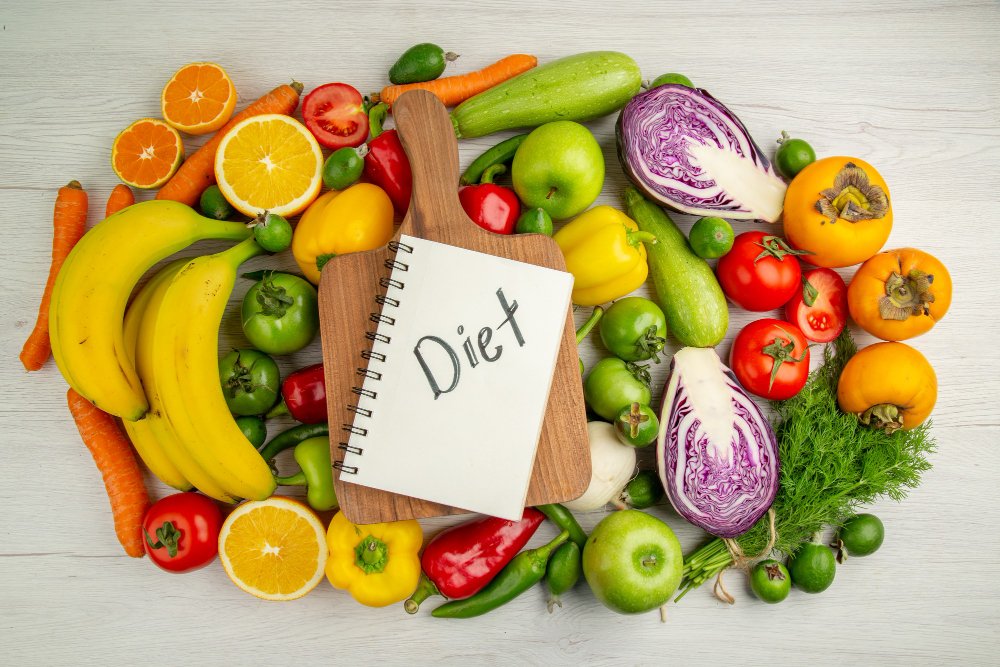
Growing evidence suggests that your diet plays an important role in maintaining memory, thinking skills, and overall brain health as you age. While many eating patterns have been linked to healthy aging, recent research indicates that the DASH diet may be one of the most effective dietary approaches for preserving cognitive function.
A large study led by researchers at Harvard University, involving more than 159,000 adults, found that people who followed the DASH diet most closely were 41% less likely to experience subjective cognitive decline compared with those who followed it the least. Interestingly, the DASH diet showed even stronger associations with brain health than several other well-known healthy eating patterns, including the Mediterranean diet.
Although the study does not prove that the DASH diet directly prevents Alzheimer’s disease or dementia, the findings add to growing evidence that healthy eating habits adopted in midlife may help support better brain health later in life.
What Is the DASH Diet?
DASH stands for Dietary Approaches to Stop Hypertension.
It was originally developed to help lower high blood pressure, but researchers soon discovered that its benefits extend far beyond heart health.
Today, the DASH diet is widely recommended because it supports:
- Heart health
- Healthy blood pressure
- Weight management
- Blood sugar control
- Kidney health
- Brain health
Rather than being a restrictive diet, DASH encourages balanced, nutritious eating patterns that are sustainable over the long term.
What Foods Are Included in the DASH Diet?
The DASH diet emphasizes nutrient-rich, minimally processed foods.
Foods to Eat More Often
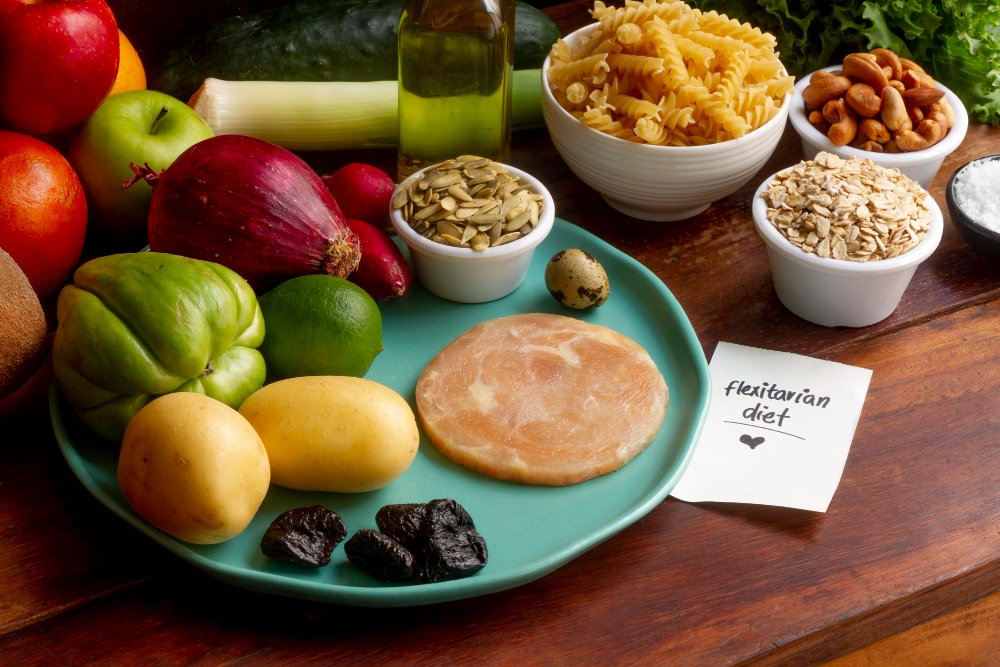
- Fruits
- Vegetables
- Whole grains
- Beans and legumes
- Nuts and seeds
- Low-fat dairy products
- Fish
- Skinless poultry
- Healthy vegetable oils
Foods to Limit
- Processed foods
- Red and processed meats
- Sugary beverages
- Sweets
- Foods high in sodium
- Highly processed snacks
- Foods rich in saturated fat
Because it focuses on whole foods, the DASH diet naturally provides fiber, antioxidants, vitamins, minerals, and healthy fats that support overall health.

Why Might the DASH Diet Benefit the Brain?
Researchers believe several mechanisms may explain the connection.
1. Better Blood Pressure Supports Brain Function
High blood pressure damages blood vessels throughout the body, including those supplying the brain.
Healthy blood flow is essential for:
- Memory
- Learning
- Attention
- Decision-making
By helping maintain healthy blood pressure, the DASH diet may indirectly support cognitive function.
2. Rich in Antioxidants
Fruits and vegetables are packed with antioxidants that help protect brain cells from oxidative stress.
Oxidative damage has been associated with:
- Alzheimer’s disease
- Parkinson’s disease
- Cognitive decline
- Brain aging
Eating antioxidant-rich foods regularly may help reduce this damage over time.
3. Reduced Inflammation
Chronic inflammation is increasingly recognized as a contributor to many neurological diseases.
The DASH diet encourages foods that naturally reduce inflammation while limiting processed foods that may promote it.
4. Supports Healthy Blood Sugar
Poor blood sugar control has been linked to reduced cognitive performance and an increased risk of dementia.
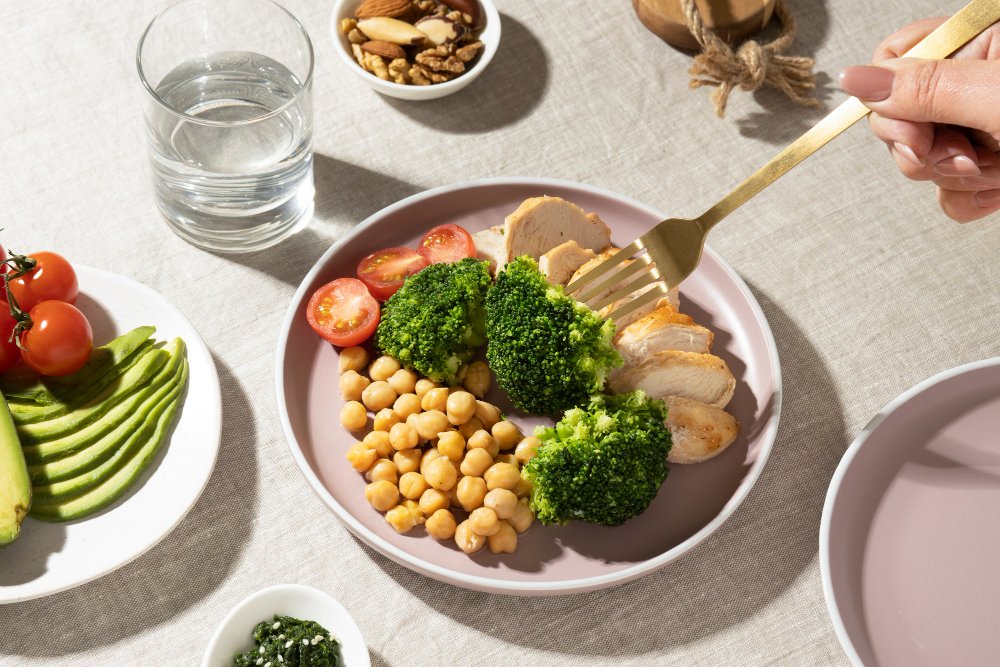
The DASH diet emphasizes high-fiber carbohydrates that help stabilize blood glucose levels.
5. Encourages Heart-Healthy Eating
What’s good for your heart is often good for your brain.
Healthy blood vessels improve oxygen and nutrient delivery to brain tissue, supporting long-term cognitive health.
DASH Diet vs. Mediterranean Diet
Both eating patterns are considered among the healthiest in the world.
DASH Diet
Focuses primarily on:
- Lower sodium intake
- Blood pressure control
- Fruits and vegetables
- Low-fat dairy
Mediterranean Diet
Places greater emphasis on:
- Olive oil
- Fish
- Nuts
- Legumes
- Moderate intake of healthy fats
Both diets encourage whole foods and minimize processed foods.
However, this recent Harvard-led study found that adherence to the DASH diet showed the strongest association with maintaining cognitive health.

Does the DASH Diet Prevent Alzheimer’s Disease?
Not necessarily.
It is important to understand what the research actually shows.
This study identified an association, meaning people who followed the DASH diet were less likely to report cognitive decline.
However, researchers cannot conclude that the DASH diet directly prevents:
- Alzheimer’s disease
- Dementia
- Parkinson’s disease
More long-term clinical studies are needed.
Additional Health Benefits of the DASH Diet
Besides supporting brain health, the DASH diet may also help:
- Lower blood pressure
- Improve heart health
- Reduce stroke risk
- Support healthy cholesterol levels
- Improve blood sugar control
- Promote healthy weight management
- Reduce the risk of type 2 diabetes
These benefits make it one of the most widely recommended dietary patterns worldwide.
Tips for Starting the DASH Diet
Transitioning to the DASH diet doesn’t require dramatic changes.
Simple steps include:
- Eat at least five servings of fruits and vegetables daily.
- Replace refined grains with whole grains.
- Choose lean proteins like fish, beans, and skinless poultry.
- Limit processed and packaged foods.
- Reduce added salt by seasoning meals with herbs and spices.
- Snack on nuts or fresh fruit instead of sweets.
Small, consistent changes are often easier to maintain than restrictive diets.
Healthy Eating and Brain Health in Calgary
Healthy aging starts with daily lifestyle choices. In Calgary, many people are turning to lifestyle medicine approaches to support long-term brain and cardiovascular health.
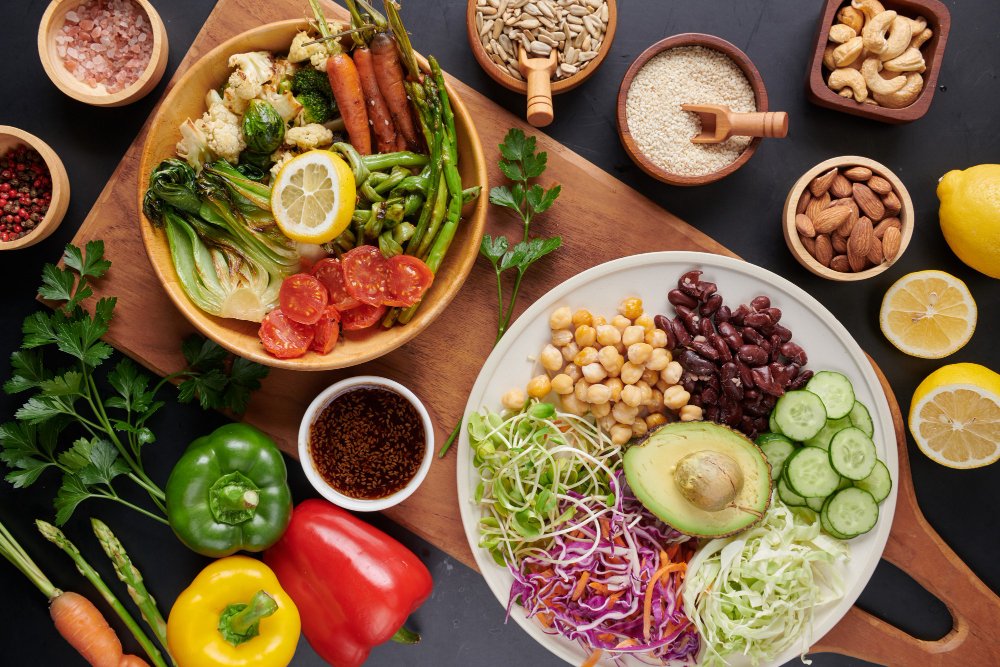
At WiserHealth, healthy nutrition is one of the six pillars of lifestyle medicine. Rather than focusing on temporary diets, WiserHealth encourages sustainable eating patterns, such as the DASH diet, that support heart health, healthy blood pressure, metabolic wellness, and cognitive function. Combined with regular physical activity, quality sleep, stress management, and social connection, these habits can contribute to healthier aging and improved quality of life.
Conclusion
The DASH diet was originally created to lower blood pressure, but growing research suggests its benefits may extend to brain health as well.
A large study involving more than 159,000 adults found that people who closely followed the DASH diet were significantly less likely to experience cognitive decline. Although this does not prove that the diet prevents Alzheimer’s disease or dementia, it reinforces the importance of healthy eating throughout adulthood.
By emphasizing fruits, vegetables, whole grains, legumes, lean proteins, and low-sodium foods while limiting processed foods and added sugars, the DASH diet offers a practical, sustainable approach to improving both brain and overall health.
Healthy aging begins with everyday choices, and your next meal is one of them.
FAQ
1. What is the DASH diet?
The DASH diet (Dietary Approaches to Stop Hypertension) is a healthy eating plan designed to lower blood pressure and improve overall health.
2. Is the DASH diet good for brain health?
Recent research suggests that people who closely follow the DASH diet may have a lower risk of cognitive decline as they age.
3. Can the DASH diet prevent Alzheimer’s disease?
There is no proof that it prevents Alzheimer’s disease, but it may help support long-term brain health.
4. What foods can I eat on the DASH diet?
Fruits, vegetables, whole grains, beans, nuts, fish, lean poultry, and low-fat dairy products are all encouraged.
5. What foods should I limit on the DASH diet?
Limit processed foods, red meat, sugary drinks, sweets, and foods high in sodium and saturated fat.
6. Is the DASH diet better than the Mediterranean diet?
Both are healthy dietary patterns. Some recent studies suggest the DASH diet may have a stronger association with preserving cognitive function.
7. Can the DASH diet help with weight loss?
Yes. Because it emphasizes nutrient-dense, high-fiber foods, many people find it supports healthy and sustainable weight management.
8. Who should consider following the DASH diet?
Most adults can benefit from the DASH diet, especially those with high blood pressure, heart disease risk factors, or anyone looking to improve their overall health.
Leave a Reply